
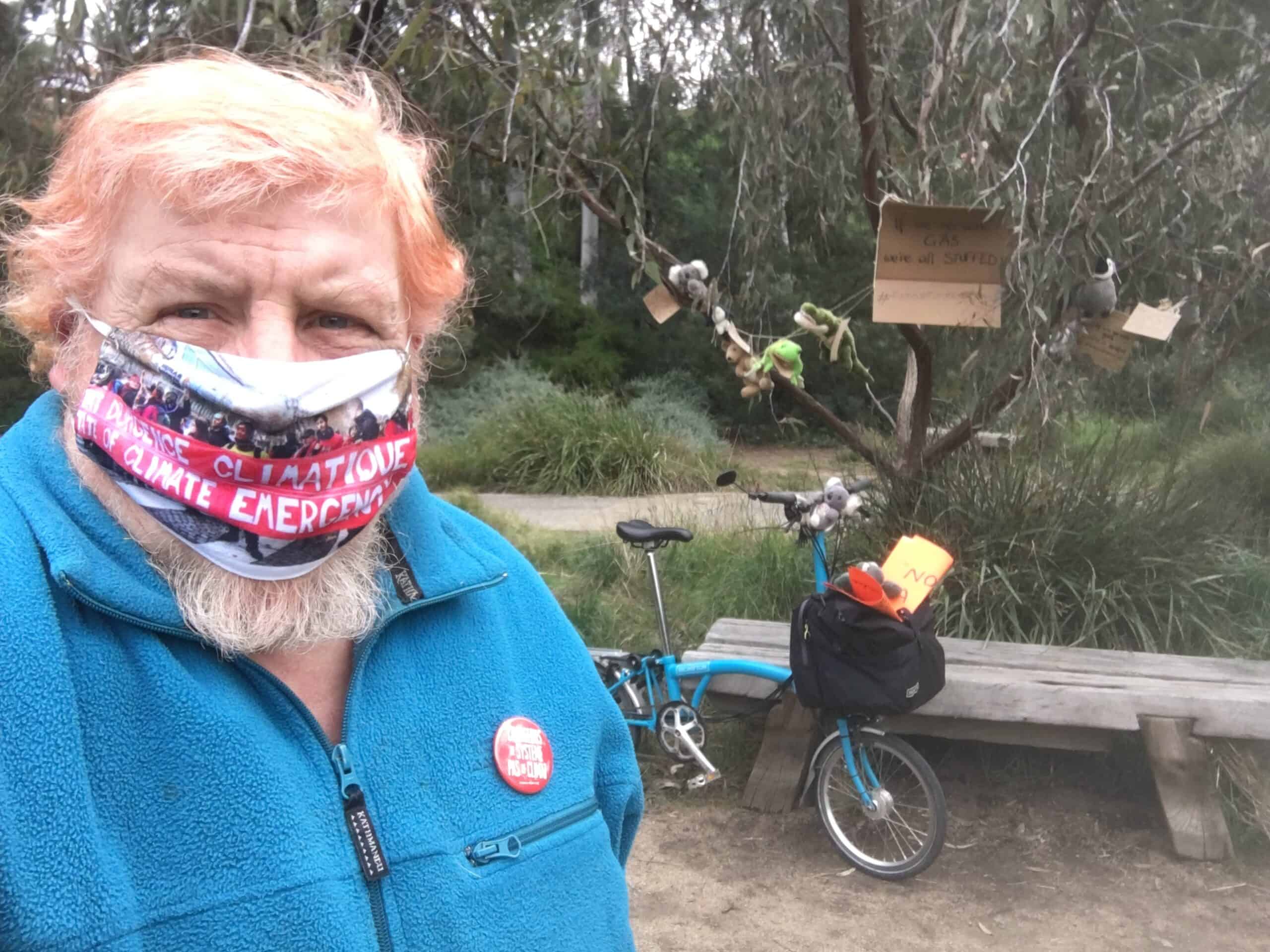
The Climate Lockdown conspiracy theory represents one of the most peculiar examples of modern misinformation warfare. Born from a perfect storm of pandemic fears and climate anxiety, this strange phenomenon transformed legitimate policy discussions into terrifying visions of authoritarian control. What makes this conspiracy particularly unsettling is how quickly it spread across the globe, morphing and adapting like some digital parasite feeding on collective uncertainty.
The theory claims that shadowy global elites plan to impose permanent lockdown-style restrictions under the guise of fighting climate change. Believers insist that organizations like the World Economic Forum secretly orchestrate these schemes. They point to fabricated quotes, misinterpreted documents, and twisted urban planning concepts as “evidence.” The conspiracy has infected online communities worldwide, creating a parallel reality where normal climate policies become sinister plots for social control.
What’s truly bizarre is how this narrative emerged from thin air, yet convinced millions of people that their freedom was under immediate threat.
The Mysterious Origins of Climate Lockdown Fear
The Climate Lockdown conspiracy theory began with a strange twist of fate in September 2020. Economist Mariana Mazzucato published an article titled “Avoiding a Climate Lockdown,” arguing that ambitious green reforms could prevent emergency climate measures. She never advocated for actual lockdowns. Instead, she warned against them.
But conspiracy theorists seized on her title, completely ignoring her message. They twisted her words into “proof” that elites were planning permanent restrictions. This misrepresentation spread like wildfire across social media platforms. Within months, the fabricated narrative had taken on a life of its own.
The timing was perfect for paranoia. COVID-19 lockdowns were fresh in everyone’s minds. People felt trapped, controlled, and suspicious of authority. When they saw the phrase “climate lockdown,” many didn’t read further. They simply assumed the worst and shared their fears with others.
Research shows that the conspiracy thrives on possibility rather than evidence. It asks “what if” instead of “what is.” This makes it nearly impossible to debunk using traditional fact-checking methods.
Oxford’s Traffic Filters and the Climate Lockdown Panic
Another fascinating historical case is: Piltdown Man: The 41-Year Hoax That Fooled the Scientific World
Perhaps the strangest manifestation of Climate Lockdown fears occurred in Oxford, England, during late 2022 and early 2023. The city council proposed simple traffic filters to reduce congestion in residential areas. These filters would allow buses, bikes, and emergency vehicles through while redirecting cars to main roads.
Somehow, this mundane urban planning measure became ground zero for conspiracy theories. Influencers claimed Oxford was creating a “climate lockdown” prison. They spread false information about residents being trapped in zones, unable to visit friends or family. The lies spread faster than the truth.
Jordan Peterson, the Canadian psychologist, amplified these claims to his millions of followers. His tweet about Oxford’s supposed “climate lockdown” received 7.5 million views. Local officials received death threats and abuse from people who believed the conspiracy theories.
The reality was far more boring than the fiction. The traffic filters were temporary trials designed to make neighborhoods quieter and safer. Residents could still travel anywhere they wanted. They just had to use different routes for some journeys.
Yet the conspiracy persisted, demonstrating how fear can transform ordinary policies into existential threats in the minds of believers.
The Strange Science Behind Climate Lockdown Claims
One of the most peculiar aspects of the Climate Lockdown theory is how it misinterprets actual climate science. Conspiracy theorists often point to studies showing that COVID-19 lockdowns temporarily reduced carbon emissions. They claim this “proves” that authorities plan to use lockdowns as climate policy.
The real science tells a different story entirely. NASA research found that COVID lockdowns had minimal climate impact because emissions reductions weren’t large enough or long enough. The temporary drops would reduce global temperatures by only 0.01°C by 2030 without structural changes to energy systems.
In other words, lockdowns are a terrible climate strategy. They cause enormous social and economic damage while barely affecting long-term warming. Any rational policymaker would avoid them for climate purposes.
Yet conspiracy theorists ignore this scientific evidence. They prefer dramatic narratives about control and oppression to boring discussions about carbon pricing and renewable energy. The truth is less exciting than the conspiracy, so the conspiracy wins in the attention economy.
This selective use of evidence reveals something disturbing about how misinformation operates in the digital age. Facts become weapons to be deployed selectively rather than tools for understanding reality.
The Digital Networks Spreading Fear
The most unsettling aspect of the Climate Lockdown conspiracy may be how it spreads through mysterious online networks. Researchers have traced its amplification through a web of climate denial influencers, partisan media outlets, and social media algorithms designed to maximize engagement.
The conspiracy doesn’t spread randomly. It follows predictable patterns across platforms like Facebook, Twitter, YouTube, and Telegram. Right-wing media personalities and climate denial organizations coordinate messaging campaigns. They use sophisticated techniques to make their content appear grassroots and authentic.
These networks exploit psychological vulnerabilities in their audiences. They tap into existing fears about government overreach, economic uncertainty, and social change. The Climate Lockdown narrative provides a simple explanation for complex anxieties. It offers villains to blame and heroes to follow.
What’s particularly strange is how the conspiracy adapts to local contexts while maintaining core themes. In Oxford, it focused on traffic filters. In other cities, it targets 15-minute city planning or electric vehicle policies. The details change, but the underlying fear of authoritarian control remains constant.
This adaptability makes the conspiracy particularly resilient. Debunking one version doesn’t stop others from emerging. It’s like fighting a shape-shifting monster that regenerates whenever you cut off one of its heads.
The Climate Lockdown conspiracy theory reveals something profound about our digital age. Information travels faster than understanding. Fear spreads more quickly than facts. In this environment, even the most absurd theories can gain millions of believers if they tap into the right psychological triggers. The conspiracy may be based on fabrications and misinterpretations, but its impact on real people and communities is undeniably genuine. As we navigate an uncertain future filled with both climate challenges and technological disruption, understanding how such theories emerge and spread becomes crucial for maintaining social cohesion and rational discourse.
Related Posts
 Gang Stalking: The Dark Web Communities Behind Modern Paranoia and Violence
 Biblical Conspiracy Theory: The Hidden Truth About Sacred Texts and Secret Societies
 January 2026 Solar Storm: The Celestial Event That Defied Scientific Predictions
 2025 Pn7 Quasi Moon: Earth’s Mysterious Shadow Companion That Shouldn’t Exist