The Dade battle stands as one of the most catastrophic military defeats in early American history. On December 28, 1835, Seminole warriors ambushed two U.S. Army companies in central Florida. The attack killed 108 of 110 soldiers and sparked the Second Seminole War. This devastating event changed the course of American-Indian relations in the Southeast forever.
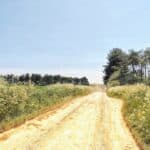
Major Francis Langhorne Dade led the doomed expedition from Fort Brooke near Tampa. His mission was to reinforce Fort King in Ocala along the military road. The soldiers carried supplies and a six-pound cannon through hostile territory. They had no idea that Seminole warriors were watching their every move.
Background to the Dade Battle Ambush
The roots of conflict stretched back to the Indian Removal Act of 1830. President Andrew Jackson’s policy forced Native American tribes to relocate west of the Mississippi River. The Seminoles had signed the Treaty of Payne’s Landing in 1832. This agreement required them to move to Indian Territory within three years.
Many Seminoles refused to honor this treaty. They claimed their leaders had been coerced into signing. Chief Osceola emerged as a vocal opponent of removal. Tensions escalated throughout 1835 as the deadline approached. The National Park Service documents how these mounting tensions led to increased military patrols.
The U.S. Army established a network of forts across Florida. Fort Brooke controlled Tampa Bay while Fort King guarded the interior. Military roads connected these outposts through dangerous wilderness. Seminole warriors knew these routes well and used them to their advantage.
The Fatal March Through Florida Wilderness
Related article: Capsizing: A Maritime Disaster That Changed Naval History Forever
On December 23, 1835, Major Dade’s command departed Fort Brooke. The force included 110 men from multiple artillery and infantry regiments. They pulled a six-pound cannon and carried supplies for the garrison at Fort King. The weather was cold and rainy as they began their march north.
The soldiers made good progress on their first day. They camped overnight and resumed their journey on Christmas Eve. The men remained alert but saw no signs of hostile activity. Their guide, Louis Pacheco, led them along the established military road. Unknown to the soldiers, Seminole scouts tracked their movements.
The troops covered about fifteen miles per day through difficult terrain. They crossed streams and navigated dense forests. The heavy cannon slowed their progress considerably. By December 27, they had traveled nearly fifty miles from Fort Brooke.
The Dade Battle Unfolds in Deadly Ambush
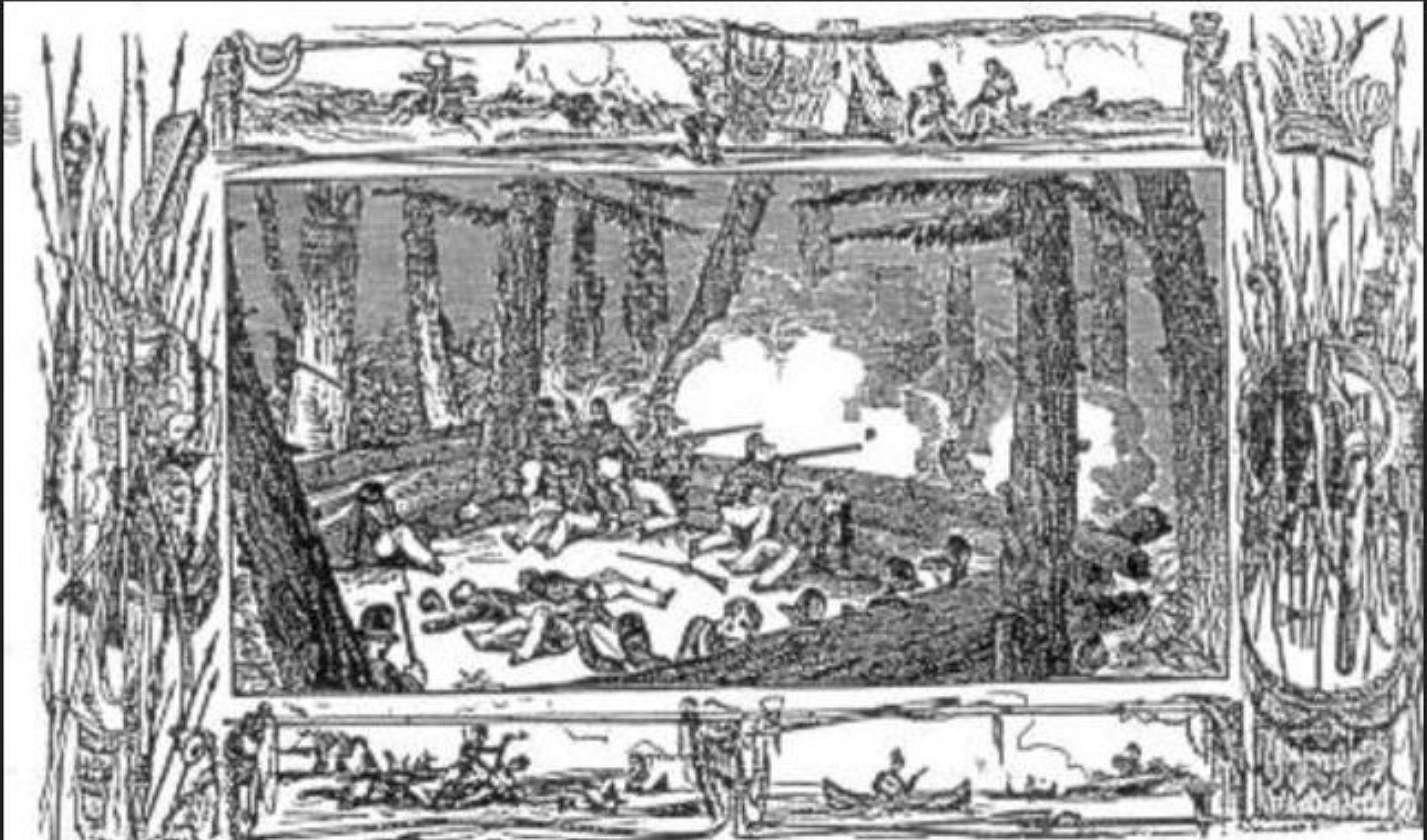
The attack began at 8:00 AM on December 28, 1835. Approximately 180 Seminole and Black Seminole warriors surrounded the American column. Chief Micanopy and other leaders had planned the ambush carefully. They positioned fighters along both sides of the narrow road.
The first shot killed Major Dade instantly. A Seminole marksman targeted the commanding officer from close range. Chaos erupted as warriors opened fire from concealed positions. The soldiers tried to form defensive lines but faced overwhelming firepower.
Captain George Gardiner assumed command after Dade’s death. He ordered his men to construct a triangular breastwork using fallen logs. The soldiers fought desperately for several hours. Historical accounts describe fierce hand-to-hand combat as ammunition ran low.
The six-pound cannon proved useless in the dense forest. Seminole warriors captured it early in the battle. They turned the weapon against the remaining soldiers. Only three Americans survived the massacre: Ransome Clarke, Joseph Sprague, and Edwin DeCourcy.
Aftermath and Historical Significance
News of the massacre shocked the American public. The defeat represented one of the worst military disasters in U.S. history. Only one soldier, Ransome Clarke, lived long enough to tell the full story. Joseph Sprague died from his wounds the following day.
The battle immediately triggered the Second Seminole War. This conflict lasted seven years and cost millions of dollars. Thousands of soldiers died fighting in Florida’s swamps and forests. The war became one of America’s longest and most expensive Indian conflicts.
President Jackson responded by sending more troops to Florida. General Winfield Scott took command of military operations. The army built additional forts and increased patrols. However, the Seminoles proved to be formidable guerrilla fighters who knew the terrain intimately.
The Dade battle site became a symbol of Seminole resistance. Today, visitors can explore Dade Battlefield Historic State Park in Sumter County. The park preserves the location where this pivotal battle occurred. Interpretive trails and monuments help tell the story of that fateful December morning.
The Dade battle marked a turning point in American frontier history. It demonstrated the fierce determination of Native Americans to resist forced removal. The massacre also revealed the dangers faced by soldiers serving on the frontier. This tragic event continues to remind us of the complex and often violent history of American expansion.