
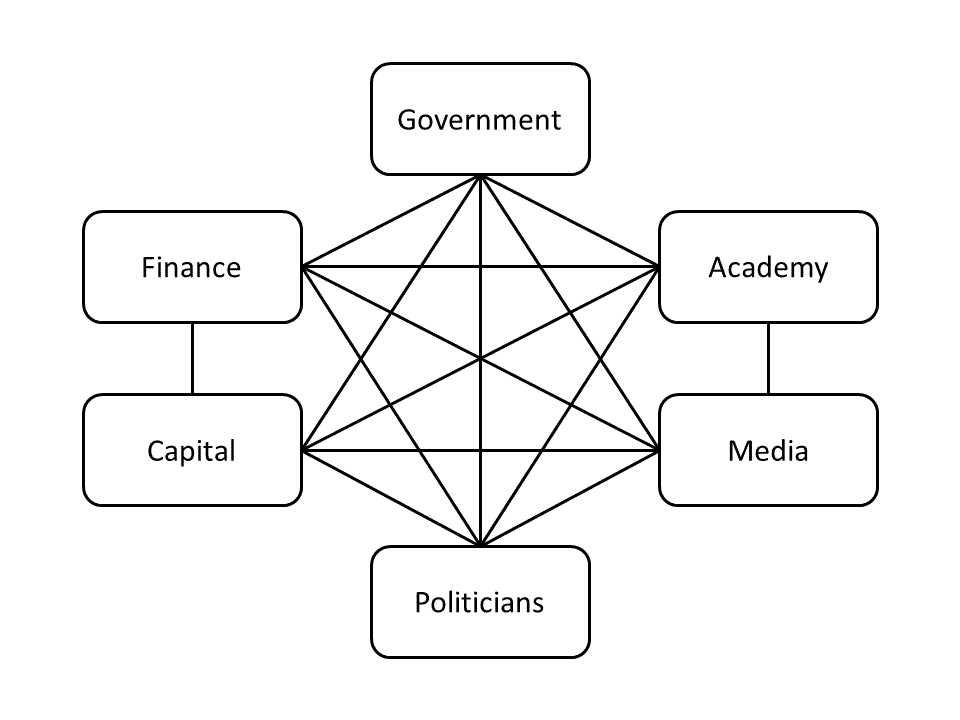
Deep state networks have operated behind the scenes of governments throughout history, wielding influence beyond democratic oversight. These shadowy organizations represent unauthorized networks of power that pursue their own agendas independently of elected leadership. The concept has evolved from its Turkish origins to become a global phenomenon that shapes political discourse today.
The term itself comes from the Turkish phrase “derin devlet,” which described alleged networks of military and intelligence officials operating outside normal government channels. Turkey’s experience with such networks during the Cold War era established the foundation for understanding how unelected officials can maintain control over policy decisions. This Turkish model would later influence how other nations conceptualized similar power structures within their own governments.
Historical precedents for secretive government networks existed long before the modern era. Medieval Europe witnessed fears of hidden enemies through witchcraft conspiracies and secret societies. These early concerns about clandestine groups undermining legitimate authority share striking similarities with contemporary deep state theories. The Library of Congress documents reveal how colonial American authorities used accusations of secret plotting to suppress dissent and maintain control.
Origins and Evolution of Deep State Concepts
The modern understanding of deep state networks emerged during the 20th century as governments expanded their intelligence and security apparatus. World War II and the subsequent Cold War created conditions where covert operations became normalized within democratic societies. Intelligence agencies gained unprecedented power and autonomy, often operating with minimal oversight from elected officials.
Turkey’s experience during this period proved particularly influential in shaping the deep state concept. Military coups in 1960, 1971, and 1980 demonstrated how unelected officials could override democratic processes when they disagreed with civilian leadership. These interventions weren’t random acts but reflected organized networks within the military and bureaucracy that viewed themselves as guardians of the state’s secular, Western-oriented identity.
The Turkish deep state allegedly included military officers, intelligence operatives, organized crime figures, and right-wing extremists. This network reportedly carried out assassinations, bombings, and other violent acts to maintain political stability according to their vision. Such activities occurred with little accountability to democratic institutions, creating a parallel power structure that operated according to its own rules and objectives.
Historical Patterns of Shadow Governance
Related article: The Elusive Canterbury Panther: Unraveling New Zealand’s Enduring Urban Legend
Throughout history, various forms of shadow governance have emerged in different political systems. Ancient Rome experienced similar phenomena with the Praetorian Guard, which frequently determined imperial succession through force rather than established procedures. The Guard’s ability to make and unmake emperors demonstrated how military institutions could accumulate power beyond their intended roles.
Medieval European courts also featured informal networks that wielded significant influence over royal decisions. Court advisors, religious figures, and noble families often formed alliances that shaped policy from behind the scenes. These groups operated through personal relationships and shared interests rather than formal institutional channels.
The concept gained new relevance during the Industrial Revolution as modern bureaucracies expanded. Civil service systems created permanent government employees who remained in their positions across different political administrations. This continuity provided stability but also created opportunities for unelected officials to pursue long-term agendas that might conflict with elected leadership priorities.
Intelligence agencies that emerged during the 20th century represented a new form of institutional power. These organizations possessed classified information, covert operational capabilities, and extensive networks that gave them unique influence over policy decisions. The CIA’s Family Jewels documents revealed how intelligence agencies sometimes operated beyond legal boundaries, pursuing objectives that weren’t always aligned with stated government policies.
Deep State Theories in Contemporary Politics
The deep state concept gained widespread attention in American politics following the 2016 presidential election. Political figures and media commentators began using the term to describe perceived resistance from government institutions to new policy directions. This usage differed significantly from the original Turkish context, focusing more on bureaucratic resistance than organized conspiracies.
Contemporary deep state theories often center on the idea that permanent government employees, particularly in intelligence and law enforcement agencies, work to undermine elected officials whose policies they oppose. Proponents argue that these officials use their institutional knowledge, media contacts, and procedural expertise to obstruct or sabotage political initiatives.
Critics of deep state theories contend that they mischaracterize normal institutional processes as conspiracies. They argue that government employees have professional obligations to uphold laws and procedures regardless of political pressure. From this perspective, what appears as deep state resistance might actually represent institutional safeguards designed to prevent abuse of power.
The debate reflects broader tensions about the proper relationship between elected officials and permanent government institutions. Democratic systems require both political accountability and institutional continuity, but balancing these needs can create conflicts when new leaders seek to implement dramatic policy changes.
Global Perspectives and Modern Implications
Different countries have experienced variations of deep state phenomena based on their unique historical and institutional contexts. Pakistan’s military has repeatedly intervened in civilian politics, creating what some observers describe as a deep state dominated by security institutions. Egypt’s military establishment has similarly maintained significant political influence despite periodic democratic transitions.
Russia’s security services, rooted in the Soviet-era KGB, represent another model of deep state influence. These agencies have maintained continuity across different political systems and continue to play central roles in governance. Their extensive networks and institutional memory provide them with significant leverage over political decision-making.
Latin American countries have also grappled with deep state-like phenomena, particularly regarding military institutions that historically intervened in civilian politics. Chile’s experience during the Pinochet era demonstrated how security forces could establish parallel governance structures that operated independently of democratic oversight.
Modern technology has created new dimensions for deep state activities. Digital surveillance capabilities, cyber operations, and information warfare provide unprecedented tools for covert influence. These technological developments raise questions about how democratic societies can maintain accountability over institutions that possess such powerful capabilities.
The deep state concept continues to evolve as political systems adapt to changing circumstances. Whether viewed as legitimate institutional safeguards or dangerous conspiracies, these networks reflect ongoing tensions between democratic accountability and institutional autonomy. Understanding their historical development provides crucial context for evaluating contemporary political dynamics and the challenges facing democratic governance in the modern era.