
HMS Dreadnought (1660) met her doom on a dark October night in 1690, vanishing beneath the churning waters of the North Sea with secrets that have never been fully explained. Originally launched as the Torrington in 1654 during England’s Commonwealth period, this 52-gun warship would earn a reputation for both valor and misfortune that seemed to follow her like a curse. Built at Henry Johnson’s Blackwall Yard in London, she emerged from the shipbuilder’s hands as one of nine vessels commissioned to fight the Dutch. Yet from her earliest days, strange incidents plagued the vessel that would eventually bear one of the Royal Navy’s most famous names.
The ship’s transformation from Torrington to Dreadnought came with the restoration of King Charles II in 1660. But changing her name couldn’t shake the eerie atmosphere that crew members whispered about in the lower decks. Sailors spoke of unexplained sounds echoing through her hull during calm nights. Cold spots appeared in certain sections of the ship, even during summer voyages. Some crew members reported seeing shadowy figures moving between the gun ports when no one should have been there.
The HMS Dreadnought (1660) Battle Curse
Every major engagement involving HMS Dreadnought (1660) seemed to carry an otherworldly dread. During the Battle of Lowestoft in 1665, witnesses reported that the ship’s guns fired with an unusual blue flame that spooked even veteran gunners. The Four Days’ Battle of 1666 brought more disturbing incidents. Several crew members claimed to see ghostly sailors working alongside the living during the heat of combat. These phantom figures appeared to load cannons and tend to rigging, vanishing whenever someone looked directly at them.
The St James’s Day Fight later that same year added to the ship’s growing reputation for supernatural occurrences. A midshipman’s journal, discovered years later, described how the temperature around certain gun positions dropped dramatically during battle. Ice formed on metal surfaces despite the summer heat and gunpowder smoke. The Battle of Lowestoft records mention unusual atmospheric conditions around several ships, but HMS Dreadnought (1660) experienced the most severe anomalies.
Mysterious Deaths Aboard HMS Dreadnought (1660)
Another fascinating historical case is: Charlie Charlie challenge
Between battles, HMS Dreadnought (1660) became known for a series of unexplained deaths that defied medical explanation. Healthy sailors would suddenly collapse without warning, their bodies showing no signs of disease or injury. Ship’s surgeons documented cases where men died with expressions of absolute terror frozen on their faces. Autopsies revealed nothing unusual, yet the deaths continued throughout the vessel’s service.
One particularly disturbing incident occurred during a routine patrol in 1668. Three sailors on night watch reportedly encountered a figure dressed in Commonwealth-era uniform walking the upper deck. When they approached to challenge the intruder, the figure turned to reveal a face bearing terrible wounds. The apparition pointed toward the ship’s bow before dissolving into mist. All three witnesses died within a week of this encounter, each succumbing to mysterious circumstances that baffled the ship’s medical officers.
The ship’s chaplain began conducting daily exorcism prayers after these incidents. His personal letters, preserved in naval archives, describe an oppressive atmosphere that seemed to grow stronger during storms. He wrote of hearing voices calling out in languages he couldn’t identify, and of finding religious items moved or damaged without explanation.
The Final Voyage and Strange HMS Dreadnought (1660) Omens
October 1690 brought ominous signs that crew members later claimed foretold the ship’s doom. Rats abandoned HMS Dreadnought (1660) in unprecedented numbers while docked at Portsmouth. Experienced sailors knew this ancient superstition well – when rats flee a ship, disaster follows. The vessel’s compass began behaving erratically, spinning wildly during clear weather with no magnetic interference nearby.
On her final voyage, multiple witnesses reported seeing St. Elmo’s fire dancing around the ship’s masts in patterns that defied natural explanation. The electrical phenomenon typically appears during storms, but these lights manifested during calm weather. They formed shapes that resembled human figures reaching skyward, as if souls were trying to escape the vessel. The ship’s cook swore he saw faces in the flames – the visages of men who had died aboard the ship in previous years.
Weather conditions on October 16th, 1690, were not severe enough to sink a well-maintained warship. Yet HMS Dreadnought (1660) foundered off North Foreland with no survivors to tell her tale. North Foreland had claimed other vessels over the centuries, but none under such mysterious circumstances.
The Dreadnought Legacy and Unanswered Questions
No wreckage of HMS Dreadnought (1660) has ever been definitively located, despite numerous attempts by maritime archaeologists. The ship simply vanished, taking her crew of over 400 men to unknown depths. Local fishermen in the area reported strange phenomena for decades afterward. Nets would come up empty from waters known to be rich with fish. Compass needles would spin wildly when boats passed over certain coordinates.
Some researchers theorize that the ship struck an underwater obstacle or suffered catastrophic structural failure. Others point to the vessel’s documented history of supernatural incidents as evidence of something more sinister. The timing of her loss, during a period of relative peace, makes the disaster even more puzzling. Ships typically founder during storms or battles, not during routine patrols in familiar waters.
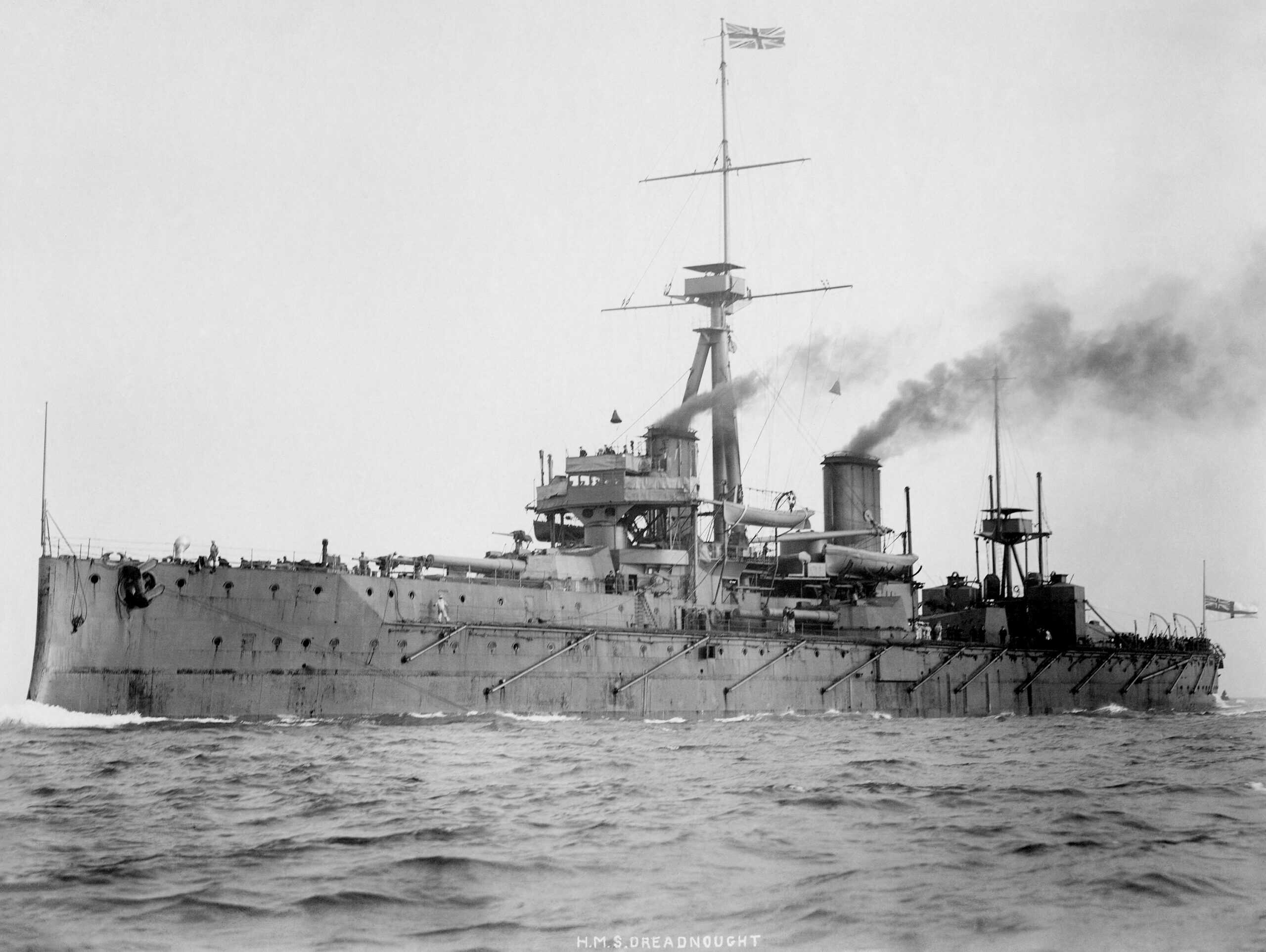
The name Dreadnought would later grace one of history’s most famous battleships in 1906, but sailors in the Royal Navy still whisper about the original bearer of that name. Modern naval historians struggle to explain how a well-armed, experienced warship could simply disappear without a trace. The mystery of HMS Dreadnought (1660) remains one of the sea’s most enduring enigmas, a reminder that some secrets rest forever beneath the waves.