
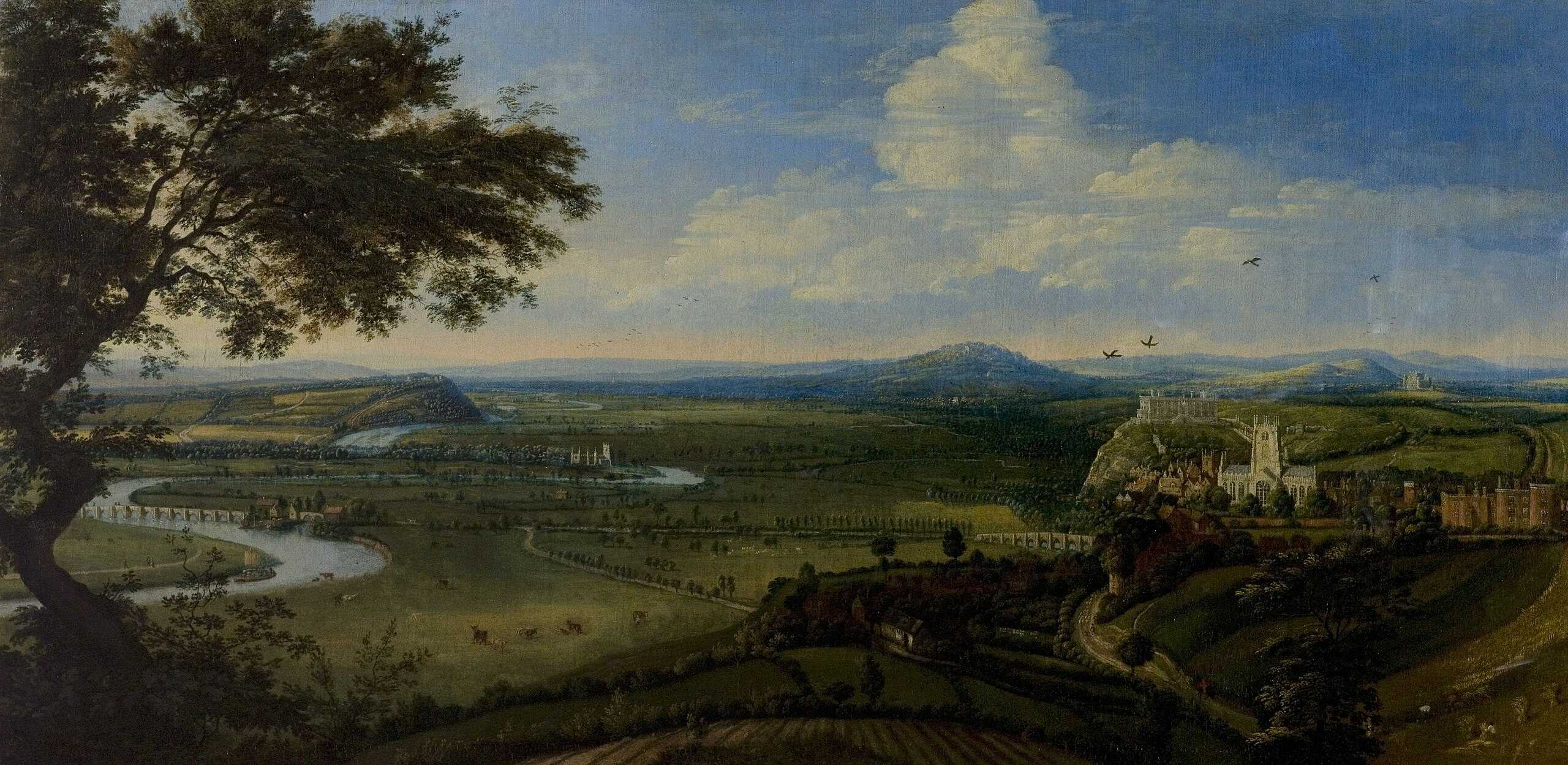
The Nottingham Cheese Riot began on October 2, 1766, when angry citizens took to the streets to prevent merchants from removing cheese from their city. This dramatic uprising occurred during England’s annual Goose Fair, a time when food shortages and rising prices had created widespread anxiety across the nation. What started as a dispute over cheese sales quickly escalated into days of violent unrest that required military intervention to restore order.
The riot emerged from a perfect storm of economic hardship and local frustration. Poor harvests in 1766 had led to severe food shortages throughout England. Citizens were desperate to keep food supplies within their communities rather than see them exported elsewhere. When Lincolnshire merchants arrived at Nottingham’s famous fair to purchase large quantities of cheese for resale in their own county, local residents saw this as a direct threat to their survival.
Origins of the Nottingham Cheese Riot at Goose Fair
Nottingham’s Goose Fair had ancient roots dating back to the 11th century. Originally celebrating the feast of Matthew the Apostle, it had evolved into a major trading event. By 1766, the fair was primarily known for food sales, particularly cheese. The local cheese, similar to what we now call Red Leicester, was sold in large wheels and represented a crucial food source for the community.
The 1766 fair saw unusually high cheese prices. Merchants were charging 28 to 36 shillings per hundredweight, roughly double the prices recorded at Coventry just a week earlier. In today’s currency, this would equal approximately £140 to £180 per hundredweight. These inflated prices reflected the severe food crisis gripping England. The National Archives document how food crises throughout British history often led to civil unrest when communities felt their survival was threatened.
Local residents watched with growing anger as Lincolnshire merchants purchased wagon-loads of cheese. The sight of their precious food supplies being carted away during a time of scarcity proved too much to bear. A group of “rude lads” surrounded the merchants and demanded they share the cheese locally rather than take it away.
Violence Erupts in the Streets
Related article: Persian Princess: The Archaeological Hoax That Fooled the World in 2000
What began as verbal protests quickly turned violent. The confrontation escalated when merchants refused to abandon their purchases. Angry crowds began seizing cheese from shops and warehouses throughout Nottingham. Hundreds of cheese wheels were rolled through the streets, creating chaos in areas like Wheeler Gate and Peck Lane.
The scene must have been both terrifying and absurd. Massive cheese wheels bounced and rolled down cobblestone streets while rioters cheered and grabbed what they could. Shop windows shattered as crowds surged through commercial districts. Even Mayor Robie Swann couldn’t escape the mayhem – he was knocked down by a rolling cheese wheel while trying to restore order.
Local residents organized themselves into armed groups. They set up roadblocks to prevent any remaining merchants from leaving with their cheese purchases. The situation grew more serious when rioters seized a cargo boat near Trent Bridge. Despite the boat owner’s offers to sell his cheese at reduced prices or even pay the crowd, they looted everything aboard.
One warehouse became the site of particularly intense fighting. The building’s defenders eventually drove off attackers using firearms, but not before losing substantial amounts of stored cheese. The warehouse owner organized a mounted posse to track down the stolen goods, which had been taken to Castle Donington.
Military Intervention in the Nottingham Cheese Riot
The situation had spiraled beyond local control. Mayor Swann’s attempts to restore order had failed completely. With armed groups roaming the streets and property being destroyed, city authorities requested military assistance. Nottingham was a garrison town, making troops readily available for such emergencies.
The British Army’s 1st Regiment of Light Dragoons responded to the call. Infantry and cavalry from the Nottinghamshire Militia joined them in confronting the rioters. The presence of armed soldiers marked a significant escalation in what had begun as a food dispute.
Military commanders faced a difficult situation. The rioters weren’t common criminals but desperate citizens trying to secure food during a crisis. However, the breakdown of civil order couldn’t be tolerated. When crowds refused to disperse, soldiers received orders to open fire.
The gunfire had immediate and tragic consequences. Several rioters were wounded in the shooting. William Eggleston of Car Colston became the riot’s only recorded fatality when military bullets struck him down. His death marked the conflict’s bloodiest moment and helped convince remaining protesters to abandon their resistance.
Aftermath and Historical Significance
The military intervention effectively ended the uprising after several days of chaos. Order was gradually restored as troops patrolled the streets and prevented further gatherings. The cheese that had been scattered throughout Nottingham was largely lost or spoiled, representing a significant economic loss for both merchants and the community.
The riot reflected broader tensions in 18th-century England between local needs and market forces. Communities struggling with food shortages often clashed with merchants who sought to maximize profits by selling goods wherever prices were highest. Food riots were common during this period, as ordinary people fought to protect their access to basic necessities.
Government responses to such uprisings typically favored merchant rights over community concerns. The deployment of military force against hungry citizens demonstrated the state’s commitment to protecting commercial interests, even when those interests conflicted with local survival needs. This pattern would continue throughout the industrial revolution as traditional community bonds weakened under market pressures.
The Nottingham Cheese Riot serves as a vivid reminder of how food security issues could explode into violence when people felt their survival was threatened. The image of cheese wheels rolling through medieval streets while dragoons prepared to fire captures the dramatic collision between old community values and emerging market economics. Though the immediate crisis passed, the underlying tensions between local needs and commercial interests would continue to shape English society for generations to come.
Related Posts
 Urban Riot: The Explosive History of Civil Unrest in America’s Cities
 Take Me to the Riot: The Strange Musical Phenomenon That Sparked Urban Legend
 Villa Epecuén: Argentina’s Lost Tourist Town Swallowed by Salt Water
 Dublin Whiskey Fire: The Night Rivers of Burning Alcohol Flowed Through Irish Streets