
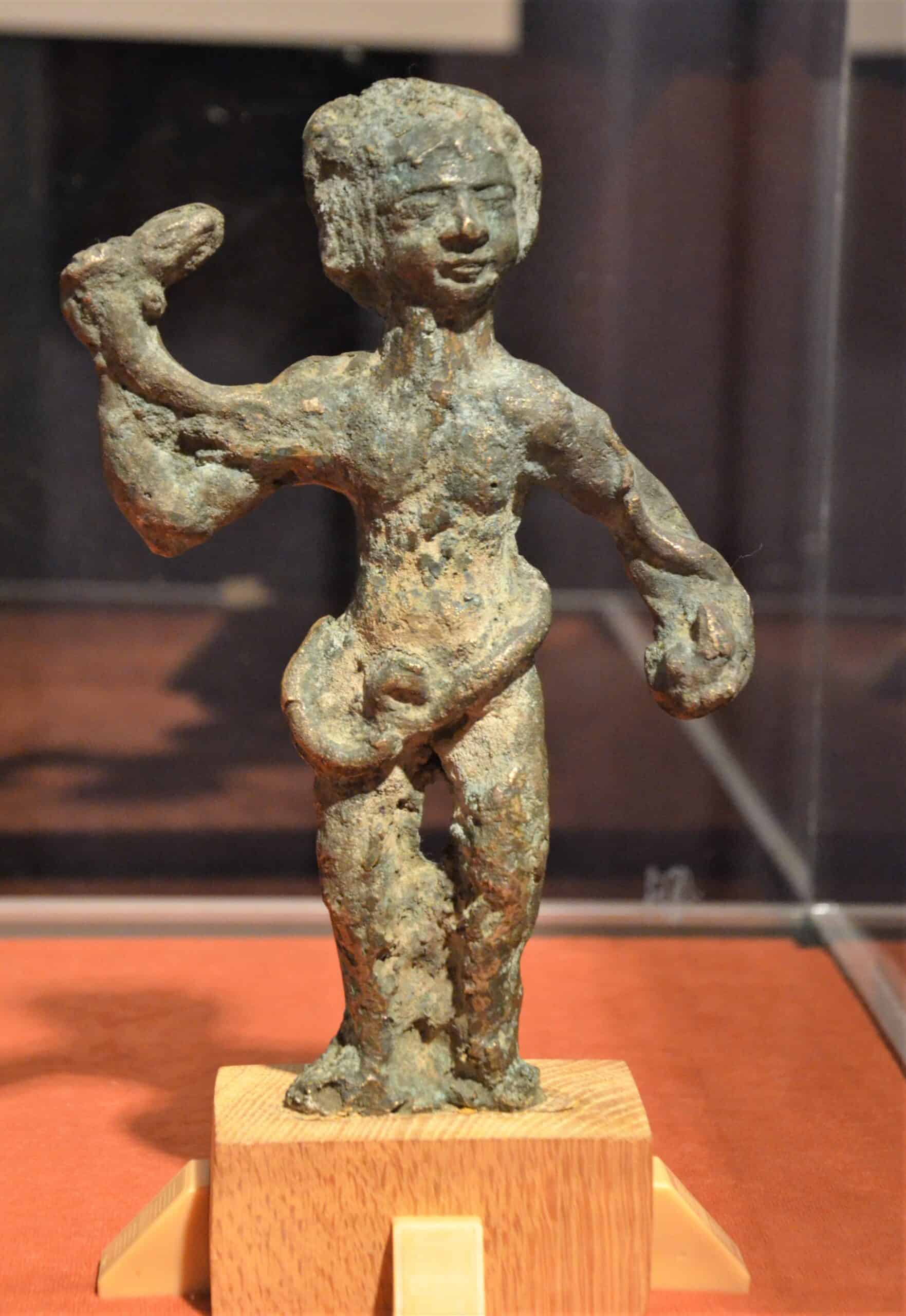
The Prillwitz Idols emerged from the shadows of 18th-century Mecklenburg as one of archaeology’s most elaborate deceptions. These mysterious bronze figurines and relief plates supposedly represented ancient Slavic gods from a lost pagan temple. For nearly a century, they captivated European nobility and scholars alike. Yet beneath their intricate craftsmanship lay a web of lies that would eventually unravel in spectacular fashion.
The collection contained over 180 bronze objects. Each piece bore runic inscriptions naming forgotten deities. Lion-headed figures dominated the assemblage, claiming to represent powerful gods like Radegast and Swiatowit. The very presence of these African beasts should have raised immediate suspicions. Medieval Slavic peoples had never encountered lions in their northern European homeland.
The story began in the late 17th century near the village of Prillwitz. Local residents claimed to have discovered the artifacts in their gardens and fields. Word spread quickly through academic circles. By 1768, the first scholarly publication appeared, declaring the finds genuine relics of Rethra, a legendary Slavic stronghold.
The Prillwitz Idols Captivate European High Society
Andreas Gottlieb Masch published the definitive catalog in 1771. His detailed descriptions and Daniel Woge’s illustrations transformed the collection into a sensation. Masch proclaimed the discovery site a “Nordic Herculaneum,” comparing it to the famous Roman ruins buried by Mount Vesuvius.
European royalty became obsessed with the mysterious artifacts. Prussian Queen Luise commissioned a diadem modeled after the idols’ designs. Her sister Friederike ordered matching earrings crafted in the same style. Even the great poet Goethe showed intense interest, sending his friend Achim von Arnim to investigate the collection personally.
The bronze figures depicted a pantheon of supposed Slavic deities. Radegast appeared multiple times, his lion head gleaming with false antiquity. Perkunust bore resemblance to the Lithuanian thunder god Perkunas. Zernebocg evoked the dark god Chernobog from Slavic mythology. Each name was carefully inscribed in runic characters, adding an air of scholarly authenticity.
Polish Count Jan Potocki traveled to Mecklenburg in 1794 specifically to study the collection. He documented over 118 additional pieces beyond Masch’s original catalog. The Mecklenburg Folk Museum would later house these controversial artifacts, though they remain hidden from public view today.
The Sponholz Brothers and Their Prillwitz Idols Deception
Related article: Persian Princess: The Archaeological Hoax That Fooled the World in 2000
Behind the elaborate hoax stood the Sponholz family of Neubrandenburg. Gideon Sponholz, born in 1745, came from a long line of goldsmiths and metalworkers. His family possessed both the technical skills and historical knowledge necessary to craft convincing forgeries. They claimed Gideon’s grandfather had discovered the artifacts decades earlier while gardening.
Gideon established Neubrandenburg’s first private museum. He obtained ducal permission to conduct treasure hunts throughout the region. This official sanction provided perfect cover for introducing newly made pieces into his collection. The Sponholz workshop became a factory for fake antiquities, producing bronze after bronze with meticulous attention to detail.
The brothers understood their target audience perfectly. Eighteenth-century scholars desperately wanted to uncover Germany’s pre-Christian past. Romantic nationalism was rising across Europe. Ancient Germanic and Slavic traditions seemed more appealing than classical Greek and Roman influences. The Sponholz family exploited these desires masterfully.
Court investigations in 1850 finally exposed the truth. Advanced metallurgical analysis revealed modern casting techniques in many pieces. Some genuine ancient bronzes had been mixed into the collection, but these showed no connection to Slavic peoples. The Sponholz brothers had created an archaeological fantasy that lasted nearly a century.
Strange Symbols and Lion-Headed Gods of the Prillwitz Idols
The most bizarre aspect of the collection was its menagerie of lion-headed deities. Medieval Slavic peoples lived in forests and swamps of northern Europe. They worshipped bears, wolves, and boars – creatures they encountered daily. Lions existed only in travelers’ tales and illuminated manuscripts. No authentic Slavic artifact would feature such exotic beasts so prominently.
The runic inscriptions presented another impossibility. True Slavic peoples used their own writing systems or adopted Latin scripts from Christian missionaries. Runic alphabets belonged to Germanic and Scandinavian cultures. The Sponholz brothers had mixed incompatible elements from different civilizations.
Each figurine told a story that never happened. Radegast wielded weapons no Slavic warrior would recognize. Temple scenes depicted rituals that no historical source described. The bronze plates showed architectural details from Roman buildings, not wooden Slavic structures. Every element betrayed the forgers’ reliance on classical education rather than authentic knowledge.
Modern scholars recognize these inconsistencies immediately. Eighteenth-century academics lacked comparative databases and scientific dating methods. They relied on stylistic analysis and historical speculation. The Sponholz brothers understood these limitations and crafted their deception accordingly.
The Legacy of Archaeological Fraud
The exposure of the hoax sent shockwaves through European academic circles. Scholars who had built careers on studying the collection faced professional ruin. Museums quietly removed related artifacts from display. The incident highlighted the dangers of wishful thinking in archaeological interpretation.
Swiss artist Daniel Spoerri discovered the collection in the 1980s and found inspiration in its fraudulent nature. He created modern sculptures based on the false idols, calling them “art after art after art.” His work explores the layers of deception and meaning that accumulate around fake artifacts. The contemporary artist’s interpretations have traveled to museums across Germany.
The original bronzes remain in storage at the Mecklenburg Folk Museum. They’re too controversial for permanent display but too historically significant to destroy. Researchers occasionally study them as examples of sophisticated forgery techniques. The collection serves as a cautionary tale about the intersection of nationalism, scholarship, and deception.
Frank Pergande even made a Prillwitz idol the murder weapon in his regional crime novel. The cursed artifacts continue to capture imaginations centuries after their creation. Their power to fascinate proves that effective lies often reveal deeper truths about human desires and beliefs.
The Prillwitz Idols represent more than simple archaeological fraud. They embody the dangerous allure of lost civilizations and forgotten gods. The Sponholz brothers understood that people wanted to believe in mysterious ancient wisdom. Their bronze lies satisfied that hunger for nearly a century, proving that sometimes the most compelling stories are the ones that never happened at all.
Related Posts
 School Shooting Hoax Conspiracy Theories: When False Flags Meet Real Terror
 Japanese Paleolithic Hoax: The Divine Hand That Fooled a Nation for Decades
 Russian Sleep Experiment: The Terrifying Creepypasta That Fooled the World
 Spook Hill: Florida’s Mysterious Gravity-Defying Road That Captivated America