
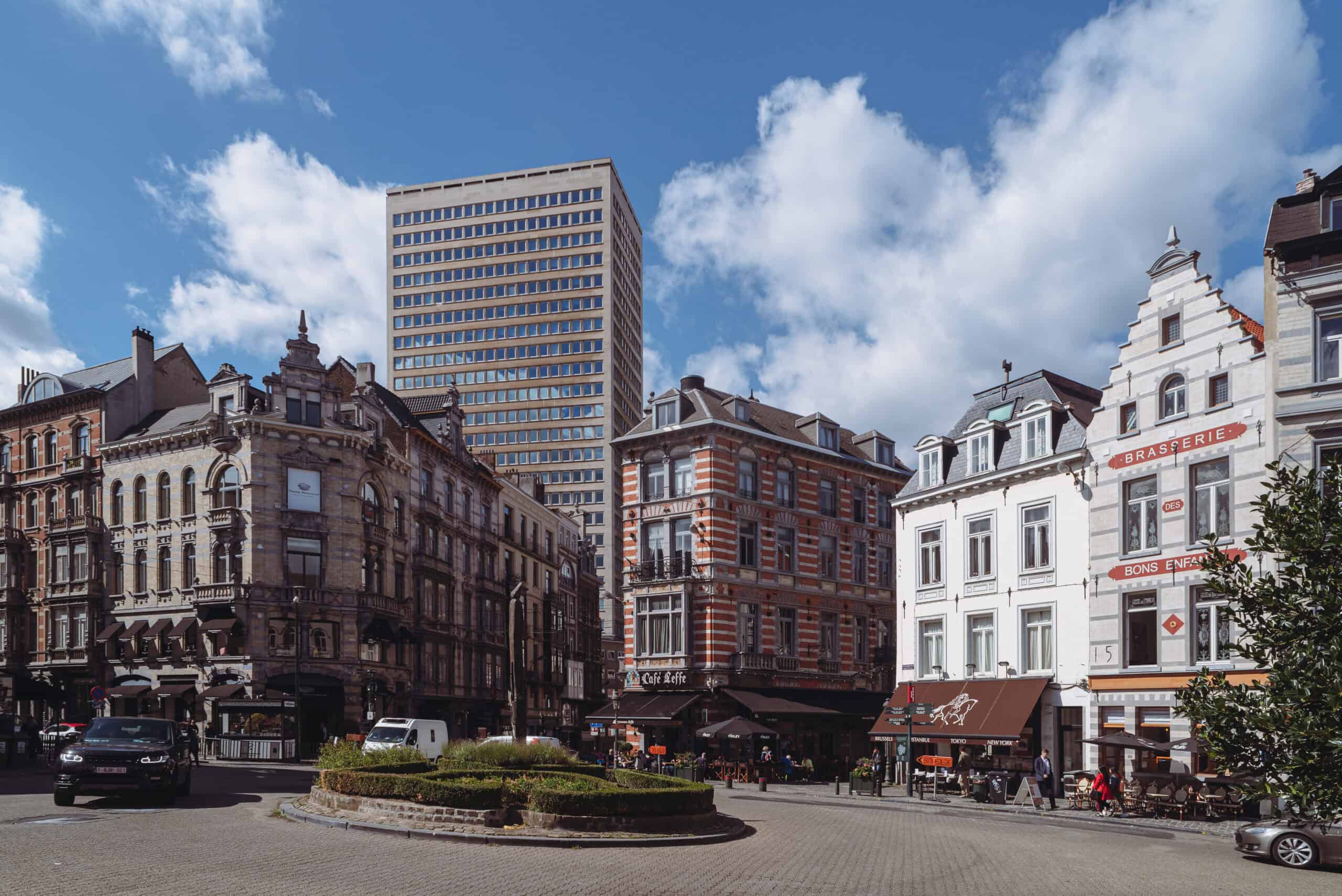
Sablon, California stands as one of the Mojave Desert’s forgotten railroad towns in San Bernardino County. This abandoned settlement once served as a vital station along the Santa Fe Railway line. Located in the remote Turtle Mountains, the town emerged during the early 20th century railroad expansion. Today, only traces remain of what was once a bustling desert outpost.
The harsh desert environment and shifting transportation needs eventually led to the town’s abandonment. Like many similar settlements across the American West, Sablon represents the boom-and-bust cycle of railroad development. Its story reflects the broader patterns of westward expansion and economic change. The town’s brief existence offers insights into early California railroad history and desert settlement challenges.
The Origins and Early History of Sablon, California
The Santa Fe Railway established a station at this remote desert location in 1909. Initially, the settlement bore the name Rudolph, honoring an unknown individual connected to the railroad’s operations. The station served as a crucial stop along the line connecting Cadiz to other destinations across the Southwest.
Railroad officials renamed the station to Sablon in 1912. The new name derived from the Spanish word “sablón,” meaning gravel. This choice reflected the area’s geological characteristics and abundant gravel deposits. The National Park Service documents how such railroad towns often took names reflecting local geography or resources.
The station’s primary function involved servicing trains and providing water for steam locomotives. Workers and their families created a small community around the railroad facilities. The settlement included basic amenities like housing, a general store, and maintenance shops. However, the town never grew beyond its essential railroad functions.
Life in the Desert Railroad Community
Another fascinating historical case is: Villa Epecuén: Argentina’s Lost Tourist Town Swallowed by Salt Water
Desert life presented numerous challenges for Sablon’s residents. Water scarcity remained a constant concern in this arid environment. The railroad company had to transport water or drill wells to supply the station and community needs. Summer temperatures regularly exceeded 100 degrees Fahrenheit, making outdoor work extremely difficult.
The isolated location meant that residents depended heavily on railroad connections for supplies and communication. Mail, food, and other necessities arrived by train on scheduled runs. Medical emergencies posed particular risks given the distance from larger towns and cities. Families often had to be self-sufficient for extended periods between supply deliveries.
Despite these hardships, the community developed its own social structures and relationships. Railroad workers and their families formed tight-knit bonds born of shared challenges. Children attended makeshift schools when possible, though formal education remained limited. Entertainment came from community gatherings, card games, and occasional traveling performers who stopped at railroad towns.
The Mining Legacy Around Sablon, California
The Sablon Mine operated as a gold and silver prospect in the surrounding desert terrain. Local geology included Precambrian igneous and metamorphic rocks that contained precious metal deposits. Miners explored the area hoping to strike profitable veins of ore. However, the mining operations never achieved the success that promoters had promised.
The challenging desert conditions made mining operations particularly difficult and expensive. Water for processing ore had to be transported over long distances. Equipment and supplies required costly transportation across rough terrain. Many mining ventures in the region failed due to these logistical and financial obstacles.
The Turtle Mountains contained various mineral deposits that attracted prospectors and mining companies. Some operations achieved modest success, but most proved unprofitable. The combination of limited water, extreme heat, and transportation costs made profitable mining extremely challenging in this remote location.
The Decline and Abandonment
Railroad technology changes began affecting small desert stations like Sablon by the 1920s. Diesel locomotives required less frequent water stops than steam engines. Improved railroad efficiency meant fewer stops at remote stations. The Santa Fe Railway gradually reduced services to smaller outposts as operational needs changed.
Economic factors also contributed to the town’s decline. The Great Depression reduced railroad traffic and freight volumes significantly. Mining operations in the area failed to generate sustained economic activity. Without steady employment opportunities, residents began leaving for more promising locations.
The harsh desert climate accelerated the deterioration of abandoned buildings and infrastructure. Wind, sand, and extreme temperature variations quickly damaged structures left without maintenance. By the mid-20th century, Sablon had joined the ranks of California’s numerous ghost towns.
Today, Sablon, California exists primarily as a geographic reference point and historical curiosity. The U.S. Geological Survey maintains records of the location for mapping purposes. Occasional visitors explore the area seeking traces of the former railroad town. However, little physical evidence remains of the community that once called this desert location home.
The story of Sablon reflects the broader narrative of American railroad expansion and the challenges of desert settlement. Its brief existence reminds us of the countless small communities that rose and fell with changing economic and technological conditions. While the town itself has vanished, its place in California railroad history endures through historical records and geographic references.
Related Posts
 Bagdad-Chase Mine: The Cursed California Gold Mine That Claimed Lives and Fortunes
 Blown Off Course: How Unexpected Winds Changed History’s Greatest Voyages
 Dublin Whiskey Fire: The Night Rivers of Burning Alcohol Flowed Through Irish Streets
 Lenape Stone: The Mysterious Mammoth Carving That Divided Archaeologists