
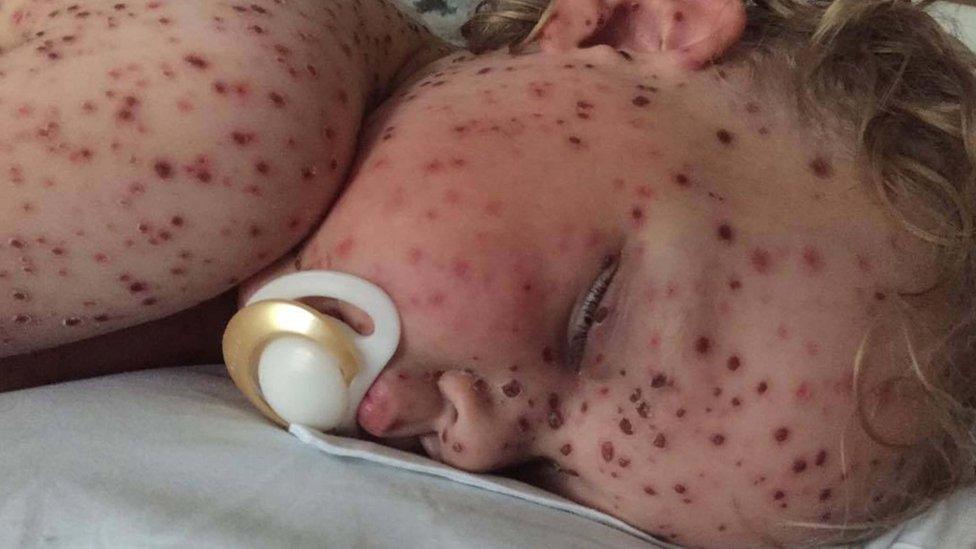
The sick baby hoax represents one of the most emotionally manipulative forms of online fraud. These schemes exploit people’s natural compassion for children by creating false stories about sick infants needing medical help. Scammers often use stolen photos of genuinely ill children to make their deception more convincing.
These fraudulent schemes have evolved significantly since the early days of the internet. What began as simple email chain letters has transformed into sophisticated social media campaigns. The emotional impact of seeing a suffering child drives people to share content without verification.
Professional con artists have refined these techniques over decades. They understand that stories involving children generate stronger emotional responses than other types of fraud. This psychological manipulation makes their schemes particularly effective and harmful.
Origins and Early Development of Sick Baby Hoax Schemes
The roots of exploiting sick children for financial gain stretch back centuries. Professional beggars have used ill or disabled children as props since ancient times. These early practitioners understood that visible suffering, especially in children, opened purses more effectively than other appeals.
The transition to digital platforms began in the 1990s with email chain letters. One notorious example claimed that the American Cancer Society would donate three cents for every person who forwarded the message. These early sick baby hoax attempts relied on people’s desire to help without requiring direct financial contributions.
Email scams proved surprisingly effective because they appeared to cost nothing to participate in. Recipients felt they were helping by simply forwarding a message. This low-commitment approach made people less suspicious and more willing to participate. The Federal Trade Commission has documented how these early schemes established patterns still used today.
The anonymity of email made verification nearly impossible. Recipients couldn’t easily check whether the sick child actually existed or if donations were legitimate. This lack of accountability became a defining characteristic of digital fraud schemes.
Social Media Amplification and Viral Spread
Related article: De Grote Donorshow: The Dutch Television Hoax That Sparked Global Outrage
Facebook and other social media platforms revolutionized how these scams operate. Visual content became central to the deception. Scammers began stealing photos of genuinely sick children from legitimate fundraising pages or medical websites.
The viral nature of social media amplified the reach exponentially. A single fake post could reach millions of people within hours. Unlike email chains that moved slowly through personal networks, social media enabled instant global distribution.
Platform algorithms actually helped fraudsters by promoting emotionally engaging content. Posts featuring sick children naturally generated high engagement through shares, comments, and reactions. This engagement signaled to algorithms that the content was valuable, leading to wider distribution.
The visual element made these scams more convincing than text-only emails. Seeing an actual photograph of a sick child created stronger emotional responses. Many people shared content based purely on emotional reaction without investigating its authenticity.
Modern Sick Baby Hoax Tactics and Variations
Contemporary versions of the sick baby hoax have become increasingly sophisticated. Scammers now create elaborate backstories complete with fake medical documentation. They may establish multiple social media accounts to create an illusion of authenticity.
Some schemes focus on collecting direct donations through payment platforms. Others aim primarily at generating viral content for later monetization. The latter approach builds large followings that can be used for advertising revenue or selling products.
Geographic targeting has become more precise. Scammers often tailor their stories to specific regions or communities. Local references make the stories seem more credible and encourage sharing within tight-knit social networks.
The use of stolen medical imagery has expanded beyond simple photographs. Fraudsters now incorporate hospital bracelets, medical equipment, and clinical settings to enhance credibility. These visual elements require more sophisticated preparation but significantly increase the scam’s effectiveness.
Impact on Victims and Legitimate Fundraisers
The proliferation of fake campaigns has created widespread skepticism about legitimate fundraising efforts. Families with genuinely sick children now face additional scrutiny when seeking help online. This “trust erosion” represents one of the most damaging long-term effects of these scams.
Financial victims often experience shame and embarrassment after discovering they’ve been deceived. Many never report their losses, making it difficult to track the true scope of the problem. The emotional manipulation involved can leave lasting psychological impacts.
Children whose photos are stolen for these schemes become unwitting victims. Their images may circulate globally without family consent, sometimes for years. Consumer protection agencies have documented cases where families discovered their child’s photo being used in multiple fraudulent campaigns.
Social media platforms have struggled to address the problem effectively. The sheer volume of content makes manual review impractical. Automated detection systems often fail to distinguish between legitimate and fraudulent medical fundraising campaigns.
Law enforcement faces significant challenges prosecuting these crimes. Scammers frequently operate across international boundaries, complicating jurisdiction issues. The relatively small individual losses often don’t justify extensive investigation resources.
The sick baby hoax continues to evolve as scammers adapt to new technologies and platform policies. Understanding these schemes helps people recognize warning signs and protect themselves from emotional manipulation. Verification of medical fundraising campaigns through established charity organizations remains the best protection against these cruel deceptions.
Related Posts
 Etruscan Terracotta Warriors: The Metropolitan Museum’s Greatest Art Forgery Scandal
 Coffin Ship (insurance): When Greed Turned Vessels Into Floating Death Traps
 Greenbrier Ghost: When a Murder Victim’s Spirit Testified in Court
 School Shooting Hoax Conspiracy Theories: When False Flags Meet Real Terror