
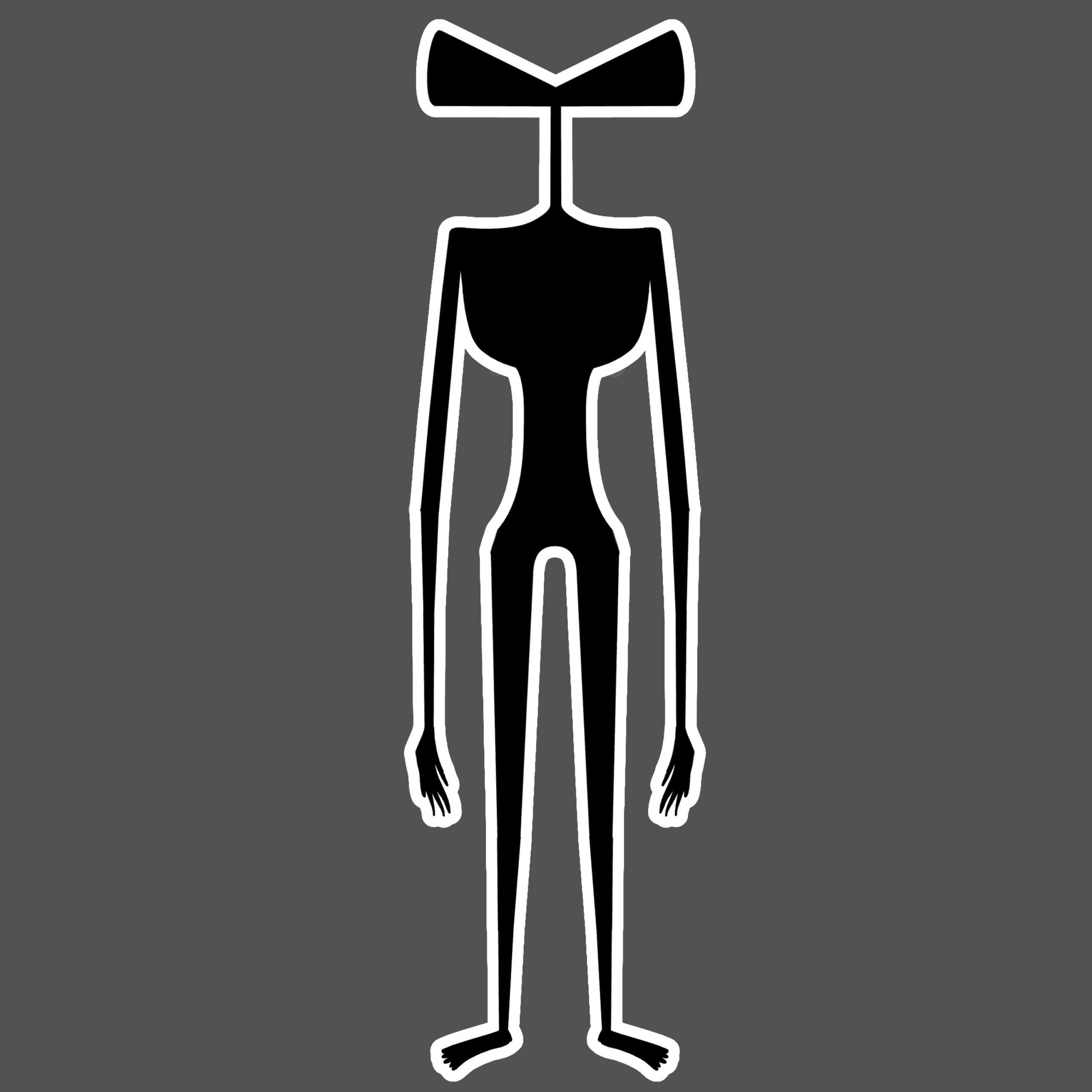
Siren Head burst onto the digital horror scene in August 2018, when Canadian artist Trevor Henderson unleashed this 40-foot nightmare onto social media. The towering creature sports twin sirens for a head and emits bone-chilling sounds that lure victims to their doom. Unlike traditional folklore monsters that took centuries to develop, this digital demon achieved legendary status in mere months. Henderson’s creation tapped into primal fears of the unknown, combining familiar objects like warning sirens with an utterly alien form.
The creature’s rapid rise to internet infamy wasn’t accidental. Henderson crafted Siren Head as part of his broader collection of analog horror creatures, but this particular monster struck a nerve with online audiences. Within weeks of its debut, fan art, stories, and supposed “sightings” flooded social media platforms. The beast’s unsettling design,a skeletal humanoid frame topped with rusted emergency broadcast equipment,perfectly captured modern anxieties about technology and isolation.
The Haunting Origins of Siren Head’s Design
Henderson drew inspiration from abandoned infrastructure and emergency broadcast systems to create his digital demon. The artist explained that Siren Head represents humanity’s fear of technology turning against us. Those twin sirens aren’t just for show,they serve as the creature’s primary hunting tool. The monster mimics emergency broadcasts, loved ones’ voices, and popular songs to draw unsuspecting victims into the wilderness.
According to Henderson’s expanding mythology, this ancient entity has stalked humanity for millennia. The creator released “historical” images showing Siren Head in cave paintings dating back 40,000 years. Additional fabricated photos placed the creature alongside loggers in Michigan’s forests during 1900 and lurking near families during 1960s vacations. These fake historical documents added an unsettling authenticity to the modern myth.
The creature’s abilities extend far beyond simple mimicry. Academic researchers at Indiana University analyzed Siren Head as “The Shapeshifter of Social Media,” noting its ability to adapt and blend with different technological eras. When asleep, the monster emits white noise that creates an eerie atmosphere for miles around its resting place.
Siren Head Sightings Spread Across Social Media
Another fascinating historical case is: The Strange Tale of Mister Mosquito: Japan’s Most Bizarre Video Game Phenomenon
The transition from digital art to “real” sightings happened with shocking speed. By 2020, TikTok users began sharing videos claiming to show the creature stalking through forests and abandoned areas. VFX artist Alex Howard’s viral TikTok video gained millions of views in May 2020, showing what appeared to be the monster moving through trees.
These supposed encounters followed a disturbing pattern. Witnesses reported hearing familiar voices calling from deep within wooded areas, only to discover the sounds originated from impossible heights. Others described finding massive footprints,some measuring over three feet long,pressed deep into soft earth. The most chilling accounts involved people hearing their own voices played back from the creature’s sirens, suggesting it had been watching them for extended periods.
Amsterdam became a hotspot for alleged sightings in recent years. Local reports claimed the creature appeared in city parks, industrial zones, and along canal outskirts. However, most of these reports were later debunked as hoaxes or misidentified objects. The line between fiction and reality became increasingly blurred as the legend grew.
Gaming Culture Amplifies the Siren Head Terror
Video game developers quickly recognized the creature’s potential for interactive horror. Modus Interactive released the first Siren Head horror game on October 31, 2018, just months after Henderson’s initial artwork appeared online. The game placed players in a dark forest where they must avoid the creature while investigating mysterious disappearances.
Popular YouTubers like CoryxKenshin, Markiplier, and PewDiePie created content featuring these games, exposing millions of viewers to the digital demon. Their terrified reactions and jump scares helped cement the creature’s place in internet culture. The gaming community’s embrace of Siren Head transformed it from static artwork into an interactive nightmare experience.
Digital culture analysts noted how the creature’s popularity exploded through gaming content, creating a feedback loop between creators and audiences. Each new game or video spawned dozens of copycat attempts and fan-made content, spreading the legend further across digital platforms.
The Psychology Behind Digital Horror Legends
Modern folklore experts point to several factors explaining why digital creatures like this resonate so powerfully with contemporary audiences. Unlike traditional monsters rooted in specific cultures or regions, internet-born legends can spread globally within hours. The democratic nature of social media allows anyone to contribute to expanding mythologies, creating collaborative storytelling on an unprecedented scale.
The creature’s design taps into specific modern fears that older monsters couldn’t address. Emergency broadcast systems represent safety and authority, so twisting them into instruments of predation creates deep psychological unease. The monster’s towering height and mechanical sounds evoke industrial accidents and technological failures that haunt modern consciousness.
Henderson has repeatedly clarified that his creation remains entirely fictional, designed for horror entertainment rather than deception. Despite these statements, the legend continues growing through fan fiction, artwork, and supposed encounters. The SCP Foundation officially declined to include the creature in their collaborative fiction project, yet unauthorized SCP entries continue circulating online.
The digital age has fundamentally changed how legends develop and spread. Where traditional folklore required generations to evolve, internet-born monsters can achieve mythic status within months. Siren Head represents this new breed of collaborative digital mythology,a creature born from pixels that now stalks the collective imagination of millions worldwide. Its legacy demonstrates how modern technology doesn’t just preserve old stories; it creates entirely new forms of shared terror that reflect our contemporary anxieties about the world we’ve built around ourselves.