
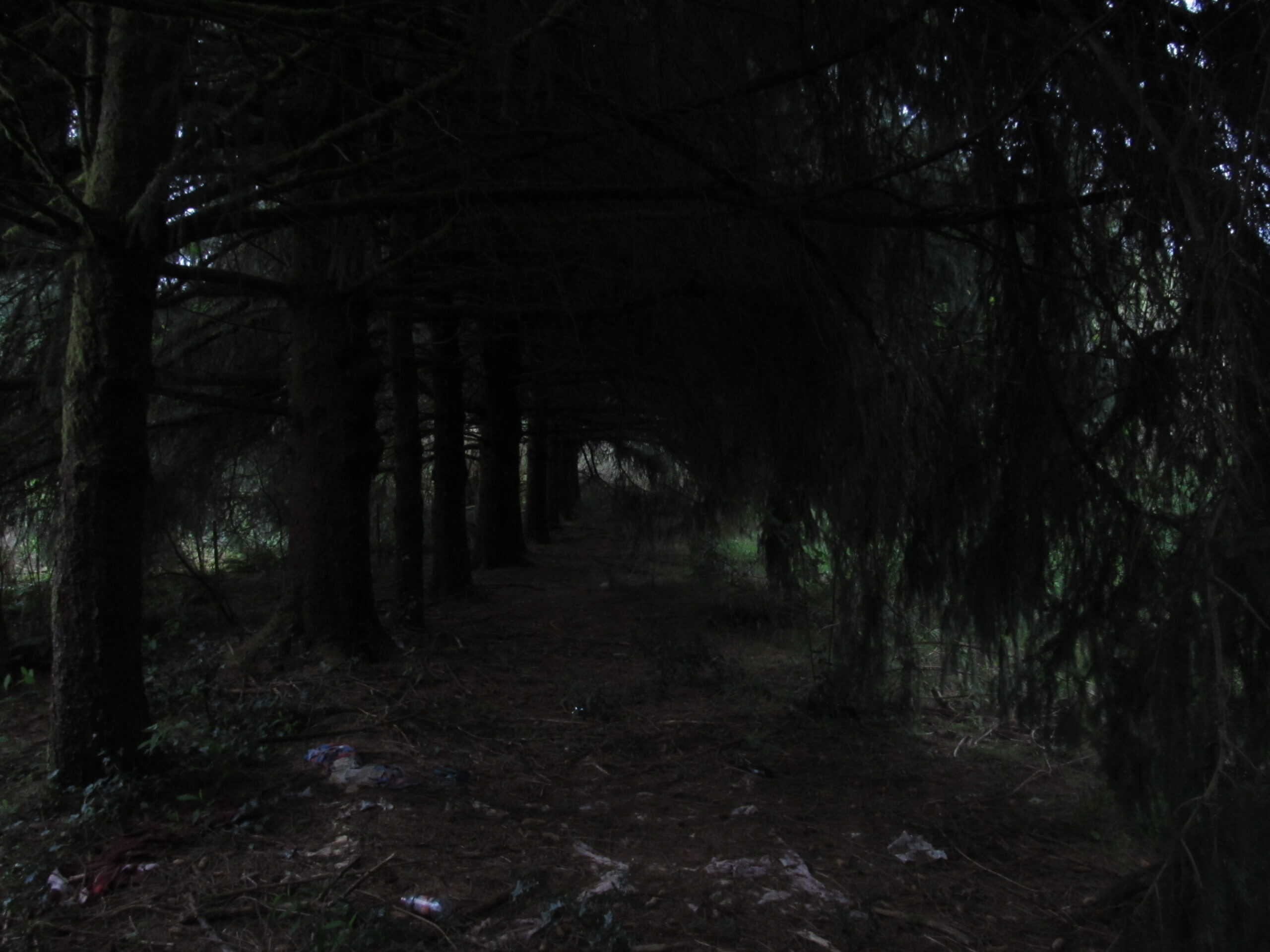
The Slenderman Stabbing of 2014 represents one of the most chilling examples of how internet folklore can blur the line between fiction and deadly reality. On May 31, 2014, in Waukesha, Wisconsin, two 12-year-old girls lured their best friend into the woods and stabbed her 19 times. Their motive? They believed they had to kill to become proxies of Slender Man, a fictional internet character. The victim, Payton Leutner, miraculously survived after crawling to a nearby road where a cyclist found her. This case sent shockwaves through communities worldwide and raised disturbing questions about the power of online mythology to influence young minds.
The attack wasn’t random or impulsive. Morgan Geyser and Anissa Weier had been planning their friend’s murder for months. They’d discovered Slender Man through Creepypasta stories online and became convinced he was real. The girls believed that killing Leutner would prove their loyalty to the faceless entity and allow them to live in his mansion in the Nicolet National Forest. What started as internet entertainment had transformed into a shared delusion with nearly fatal consequences.
The Slenderman Stabbing: A Planned Betrayal
The morning of the attack began like any ordinary sleepover. The three girls had spent the night at Geyser’s house, playing and watching movies. But Geyser and Weier had already decided this would be Leutner’s last day alive. They’d originally planned to kill her during the sleepover while she slept, but lost their nerve. Instead, they suggested a game of hide-and-seek in nearby David’s Park.
The woods seemed perfect for their dark purpose. As Leutner played innocently, Weier urged Geyser to “go ballistic” and attack. When Geyser hesitated, Weier told her she couldn’t do it either. Finally, Geyser grabbed the kitchen knife they’d brought and began stabbing. Leutner screamed and fought back, but her attackers were relentless. They struck her arms, legs, and torso repeatedly. One blade thrust came within a millimeter of her heart.
After the brutal attack, the girls told their bleeding friend to lie down and apply pressure to her wounds. They promised to get help, then simply walked away. FBI reports later revealed the calculated nature of their planning and the disturbing conversations they’d had about murder in the months leading up to the attack.
Digital Horror Meets Real-World Violence
Another fascinating historical case is: Etruscan Terracotta Warriors: The Metropolitan Museum’s Greatest Art Forgery Scandal
Slender Man originated in 2009 as part of an online photo contest. Creator Eric Knudsen, using the pseudonym “Victor Surge,” crafted images of a tall, faceless figure lurking near children. The character quickly evolved through collaborative storytelling on forums and websites. Users added details about Slender Man’s ability to manipulate minds, his preference for stalking children, and his army of devoted “proxies.”
The girls consumed this content obsessively through the Creepypasta Wiki, a site dedicated to user-generated horror stories. They read hundreds of stories about Slender Man’s supernatural powers and the violent acts committed by his followers. Geyser later told investigators that she’d been seeing and hearing Slender Man since she was very young. She described him as seven feet tall with tentacle-like appendages and the ability to teleport.
What made this case particularly disturbing was how the fictional character became real in the girls’ minds. They weren’t just playing or pretending. Geyser genuinely believed Slender Man would harm her family if she didn’t prove her loyalty through murder. Weier, though less delusional, went along with the plan because she trusted her friend’s “visions” of the supernatural entity.
The Slenderman Stabbing Investigation and Arrests
Police found the two attackers walking along Interstate 94, still covered in their victim’s blood. When officers approached, the girls seemed almost relieved to be caught. They immediately confessed to the stabbing and explained their motivation without showing remorse. Geyser told detectives that killing was necessary to become Slender Man’s proxy and protect her family from his wrath.
During interrogation, both girls displayed disturbing behavior. Geyser spoke to invisible entities and made animal sounds. She insisted that Slender Man was real and present in the room with them. Weier appeared more grounded but admitted to planning the murder for months. She’d researched anatomy to determine the best places to stab someone and had encouraged Geyser’s delusions.
The investigation revealed the extent of their online research into murder methods and Slender Man lore. Court documents showed they’d spent countless hours reading about the fictional character and discussing violent fantasies. They’d even planned to run away to Slender Man’s forest mansion after completing their “sacrifice.”
Legal Consequences and Ongoing Mystery
Both girls were charged as adults with attempted first-degree intentional homicide, despite their young age. The decision sparked intense debate about juvenile justice and mental health treatment. Geyser was eventually diagnosed with early-onset schizophrenia and sentenced to 40 years in a mental health facility. Weier received 25 years for her role in the attack.
The case took another dramatic turn in July 2025 when Geyser, then 23, cut off her monitoring bracelet and escaped from a group home where she’d been conditionally released. She fled 165 miles to Illinois before being recaptured. When police asked for identification, she reportedly told them to “just Google” her name. The escape led to her immediate return to institutional custody.
Payton Leutner’s survival remains the most remarkable aspect of this dark tale. Despite suffering 19 stab wounds, she managed to crawl to safety and flag down help. She’s since spoken publicly about her recovery and forgiveness for her attackers. Her resilience in the face of such betrayal continues to inspire others affected by violence.
The Slenderman Stabbing case serves as a chilling reminder of how digital fiction can have deadly real-world consequences. It highlights the vulnerability of young minds to online influences and the importance of monitoring children’s internet activity. While Slender Man remains a fictional character, the scars left by this case are all too real for everyone involved.
Related Posts
 Siren Head: The Terrifying Digital Legend That Stalks Modern Folklore
 Russian Sleep Experiment: The Terrifying Creepypasta That Fooled the World
 De Grote Donorshow: The Dutch Television Hoax That Sparked Global Outrage
 General Wayne Inn: Murder, Suicide, and Centuries of Haunting in Pennsylvania’s Most Notorious Tavern