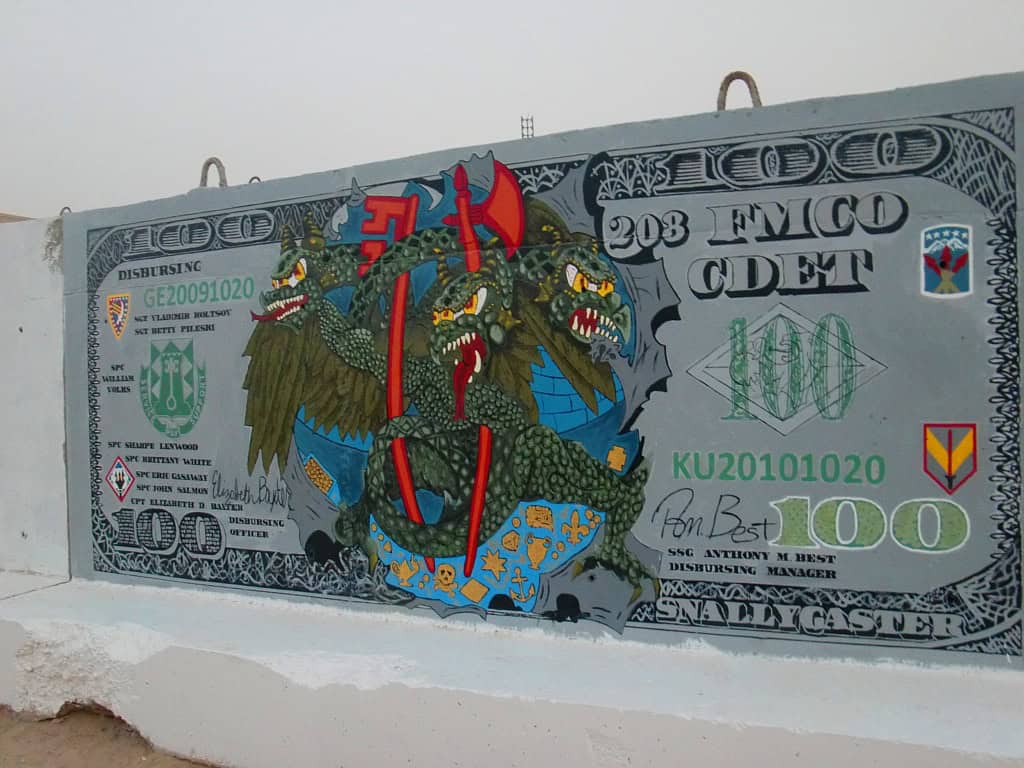
The Snallygaster emerged from the dark forests of Maryland as one of America’s most terrifying winged creatures. This half-bird, half-reptile monster haunted German immigrant communities in Frederick County for centuries. With razor-sharp metallic teeth and blood-sucking tendencies, the beast swooped silently from mountain peaks to snatch unsuspecting victims. What began as genuine folklore transformed into newspaper sensationalism and racist terror tactics. The creature’s legacy reveals disturbing truths about how fear can be weaponized against vulnerable communities.
Early German settlers in the 1730s brought tales of supernatural horrors to Maryland’s wilderness. They spoke in hushed whispers of the Schneller Geist, meaning “quick ghost” in their native tongue. This wasn’t just any ordinary spirit. The creature combined the worst nightmares of European folklore into one terrifying beast. Witnesses described a monster with enormous wings spanning twenty feet across. Its metallic beak gleamed with rows of razor-sharp teeth. Some accounts mentioned writhing octopus-like tentacles that could grab multiple victims simultaneously.
The beast’s hunting methods chilled settlers to their core. It would circle overhead completely silent, casting massive shadows across farmland. Then it would dive with lightning speed to snatch children, livestock, and lone travelers. Survivors reported hearing locomotive-like screeches echoing through mountain valleys. The creature allegedly drained its victims’ blood before discarding their lifeless bodies. Terrified families painted seven-pointed stars on their barn doors, believing these symbols would repel the monster. Many of these protective stars remain visible on Maryland barns today.
The Snallygaster’s 1909 Newspaper Terror Campaign
February 1909 marked the creature’s most infamous appearance in recorded history. The Middletown Valley Register published breathless accounts of fresh Snallygaster attacks throughout Frederick County. Editor George C. Rhoderick and reporter Ralph S. Wolfe crafted sensational stories that gripped readers’ attention. Their descriptions painted an even more horrifying picture than earlier folklore accounts.
The newspaper reports described a beast with “enormous wings, a long pointed bill, claws like steel hooks, and an eye in the center of its forehead.” Witnesses claimed it made screeches “like a locomotive whistle” that could be heard for miles. The creature allegedly swooped down on February 12th to attack Bill Gifferson near South Mountain. More sightings followed in rapid succession across Braddock Heights and the Middletown Valley.
The stories generated nationwide attention and genuine panic. The Smithsonian Institution offered a substantial reward for the creature’s hide. President Theodore Roosevelt reportedly considered postponing his African safari to personally hunt the beast. Terrified residents armed themselves and organized hunting parties. Some families refused to venture outside after dark.
However, the entire 1909 episode was later revealed as an elaborate hoax. Rhoderick and Wolfe had fabricated every story to boost newspaper sales. They borrowed elements from existing German folklore and recent Jersey Devil sightings. The timing wasn’t coincidental – the Jersey Devil had made headlines just weeks earlier in New Jersey.
Dark Racist Origins Behind the Snallygaster Legend
This event shares similarities with: Bigfoot/Sasquatch on the Olympic Peninsula: The Nest Discovery That Changed Everything
Recent scholarly research has exposed the creature’s most disturbing chapter. The 1909 newspaper hoax specifically targeted African American communities with racist terror tactics. The very first headline read “The Colored People Are in Great Danger,” claiming the monster “only attacks colored people” and preferred “the taste of Black blood.”
Retired librarian Susan Fair’s investigations revealed no mention of the creature in “South Mountain Magic” (1882), the definitive Western Maryland folklore collection. This suggests the Snallygaster was largely invented by newspaper staff rather than emerging from genuine German immigrant traditions. The timing coincided with efforts to intimidate newly freed slaves and their descendants.
The racist campaign continued into the 1930s. In November 1932, the Valley Register revived Snallygaster stories during Franklin Roosevelt’s election. Newspaper archives show explicit links between creature sightings and Black voters who “deserted the Republican party”. The stories served as thinly veiled threats against African Americans exercising their voting rights.
The creature was conveniently “killed” in December 1932 after the election ended. Reports claimed federal agents discovered its lair in a moonshine still, where the beast had supposedly drowned in illegal alcohol. This fictional death allowed the newspaper to end its racist campaign while providing a sensational conclusion.
Modern Snallygaster Investigations and Cultural Revival
The creature experienced a remarkable cultural rehabilitation in recent decades. Cryptozoologist Sarah Cooper opened the American Snallygaster Museum in Libertytown, Maryland in 2021. She believes the beast follows a forty-year cycle – twenty years active, twenty years dormant. According to her calculations, the next active period began in 2024.
Modern investigators have conducted systematic searches throughout Patapsco and Cunningham Falls State Parks. Drone surveys in the 2020s scanned mountain valleys for potential nests. Some researchers claim to have discovered a Snallygaster den near Camp David, though no concrete evidence emerged. Trail cameras and thermal imaging equipment have captured unexplained aerial phenomena, but nothing definitively proves the creature’s existence.
The beast has found new life in popular culture and local tourism. J.K. Rowling incorporated the Snallygaster into her Harry Potter universe in 2017. The video game Fallout 76 featured the creature as a failed genetic experiment. Washington D.C. hosts an annual “Snallygaster” beer festival celebrating the legend. Dragon Distillery in Frederick produces Snallygaster Blended Whiskey.
However, scholars emphasize the importance of remembering the creature’s racist origins. Folklore expert Gladys-Marie Fry examines the evidence within proper historical context. The Maryland Historical Trust now acknowledges the legend as “part mountain myth, part media hoax, and part weapon of racist politics.” This complex legacy serves as a warning about how supernatural fears can be manipulated for political purposes.
The Snallygaster remains one of America’s most complex cryptid legends. Its transformation from German immigrant folklore to racist newspaper hoax to modern cultural icon reflects broader themes in American history. While the creature likely never existed, its impact on Maryland communities was undeniably real. Today’s investigations continue searching Maryland’s mountains, but the most important discoveries may lie in understanding how fear shapes human behavior across generations.