The Soviet evacuation of Tallinn in August 1941 stands as one of World War II’s most devastating naval disasters. This desperate operation aimed to save the Baltic Fleet and thousands of Soviet personnel from German encirclement. The evacuation took place between August 27-31, 1941, as German forces closed in on Estonia’s capital. What began as a strategic withdrawal quickly turned into a nightmare of mines, bombs, and massive casualties.
By late August 1941, the German Wehrmacht had advanced rapidly through the Baltic states. Tallinn, the main base of the Soviet Baltic Fleet, faced imminent capture. Soviet commanders realized they had no choice but to evacuate immediately. The fleet included the heavy cruiser Kirov, numerous destroyers, and nearly 200 smaller vessels. Over 30,000 military personnel and civilians needed rescue from the surrounded port.
Planning the Soviet Evacuation of Tallinn Operation
Admiral Vladimir Tributs commanded the Baltic Fleet during this critical period. He worked with Marshal Kliment Voroshilov to organize the massive evacuation. The plan seemed straightforward on paper. Ships would sail west through the Gulf of Finland to reach Kronstadt near Leningrad. However, enemy forces had other plans.
German and Finnish naval forces had been preparing for exactly this scenario. Starting August 8, 1941, they began laying extensive minefields off Cape Juminda. The Kriegsmarine and Finnish Navy worked together to create deadly underwater barriers. These mines would prove catastrophic for the fleeing Soviet ships.
The Deadly Journey of the Soviet Evacuation of Tallinn
This event shares similarities with: The Bone Wars: A Fossil Frenzy that Shaped Paleontology
On August 27, 1941, the evacuation began in earnest. The Soviet fleet departed Tallinn in several convoys throughout the night. Each convoy included warships, transports, and civilian vessels packed with refugees. The heavy cruiser Kirov led the way, protected by destroyers and smaller escort ships.
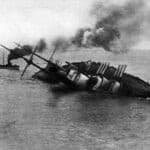
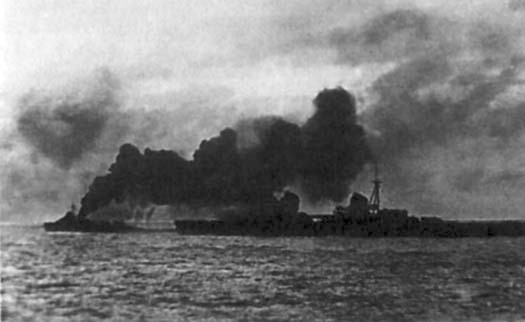
As dawn broke on August 28, the first convoy encountered the German-Finnish minefields. Explosions rocked the Gulf of Finland as ship after ship struck mines. The transport Ella sank quickly, taking hundreds of passengers with her. Other vessels suffered similar fates as they sailed into the deadly trap.
German aircraft from Luftflotte 1 and Fliegerkorps VIII launched coordinated attacks. Stukas and fighters swarmed over the fleeing convoys. They bombed and strafed the overcrowded ships without mercy. Many vessels had no adequate anti-aircraft defenses against the aerial assault.
Casualties and Losses During the Evacuation
The human cost of the Soviet evacuation of Tallinn was staggering. Over 12,000 people died during the four-day operation. Most casualties occurred when ships struck mines or fell victim to air attacks. The exact number remains disputed, but Soviet records confirm massive losses.
Military casualties included sailors, soldiers, and officers from various units. Civilian deaths were equally tragic, involving families fleeing the German advance. Many victims drowned in the cold waters of the Gulf of Finland. Others died from injuries sustained during bombing attacks.
The material losses were equally severe. The Soviets lost 28 large transports and auxiliary ships. Sixteen warships went down, including destroyers and patrol boats. Six small transports and 34 merchant vessels also sank. These losses crippled the Baltic Fleet’s operational capacity for months.
German and Finnish Success in Stopping the Soviet Evacuation of Tallinn
The Axis forces achieved a significant tactical victory during this operation. Their coordinated use of mines and air power proved devastatingly effective. German pilots claimed numerous ships sunk and damaged. Finnish naval forces also contributed to the successful interdiction effort.
The Luftwaffe’s role was particularly crucial in the disaster. Continuous bombing runs prevented effective rescue operations. Aircraft attacked not just military vessels but also ships carrying civilians. This indiscriminate targeting increased the casualty count significantly.
However, the evacuation wasn’t a complete failure for the Soviets. The heavy cruiser Kirov survived the ordeal and reached safety. Several destroyers and smaller warships also escaped. Most importantly, thousands of personnel lived to fight another day.
Historical Impact and Legacy
The Soviet evacuation of Tallinn demonstrated both the courage and tragedy of wartime naval operations. Soviet sailors and officers showed remarkable bravery under impossible conditions. Many captains went down with their ships while trying to save passengers. These acts of heroism weren’t forgotten in Soviet military history.
The disaster also highlighted the effectiveness of combined naval-air operations. German and Finnish forces proved that proper coordination could devastate even large naval formations. This lesson influenced naval tactics throughout the remainder of World War II.
The evacuation marked the end of significant Soviet naval presence in the eastern Baltic. After August 1941, the Baltic Fleet operated primarily from Kronstadt and Leningrad. The loss of Tallinn as a major base severely limited Soviet naval operations in the region.
The Soviet evacuation of Tallinn remains one of history’s costliest naval disasters. The operation saved some valuable ships and personnel but at an enormous price. Modern historians compare it to other famous naval evacuations, noting both its tragic losses and strategic necessity. The courage displayed by those involved deserves remembrance, even as we acknowledge the operation’s devastating human cost.