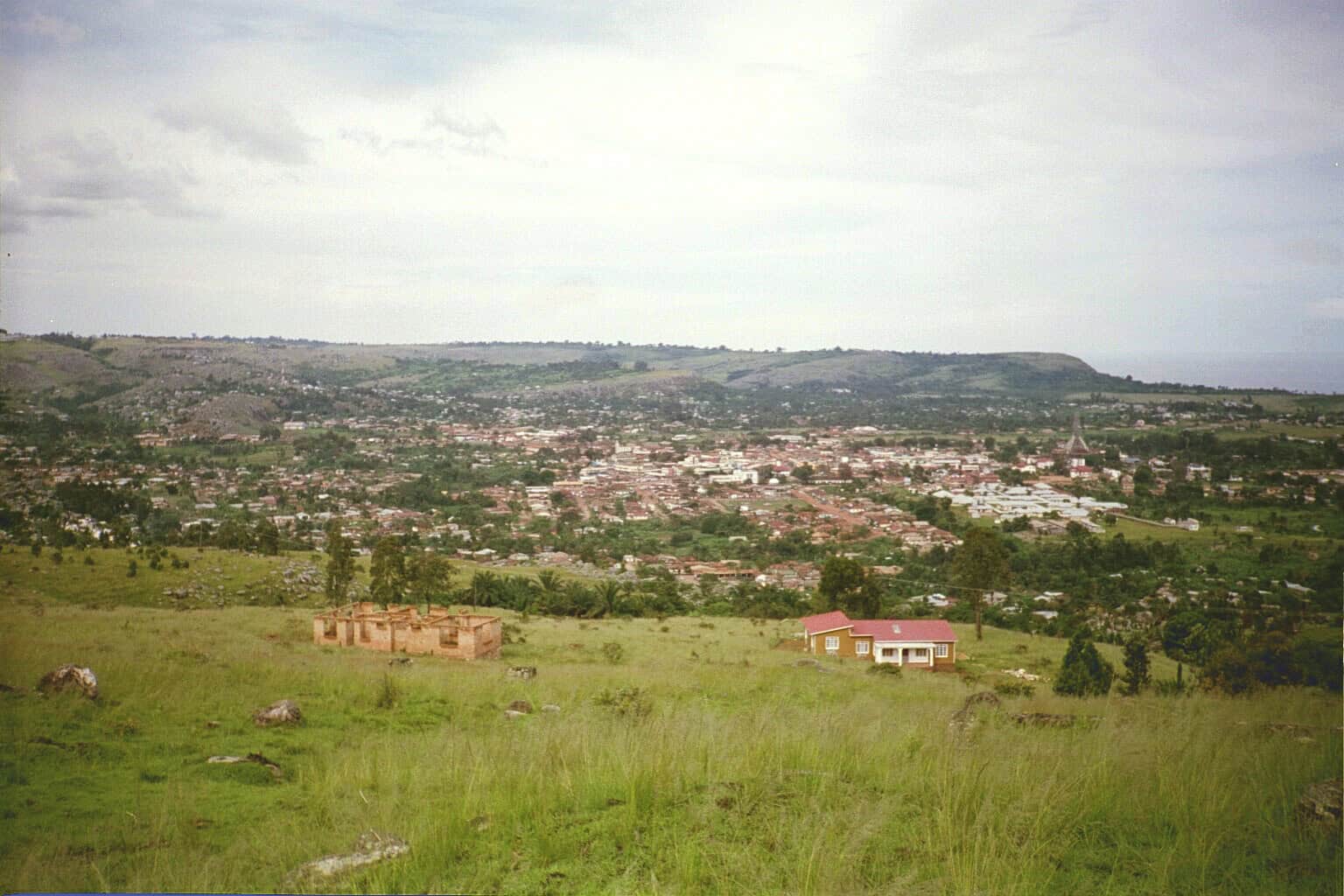
The Tanganyika Laughter Epidemic began on January 30, 1962, at a mission boarding school in Kashasha, Tanzania. What started as three schoolgirls acting strangely would spiral into one of history’s most bizarre outbreaks of mass hysteria. The epidemic didn’t involve joyful laughter as many believe. Instead, it brought terrifying symptoms that defied medical explanation.
The outbreak struck without warning. Students couldn’t control their bodies or minds. They experienced violent fits of crying and laughing. Some felt invisible forces chasing them. Others described “things moving about in their heads.” The epidemic would rage for 18 months, closing 14 schools and affecting over 1,000 people across a 100-mile radius.
Modern experts have debunked popular myths about the outbreak. Dr. Christian Hempelmann from Texas A&M University discovered that people can’t physically laugh continuously for more than 20 seconds. The original 1963 medical report mentions no triggering joke. Instead, it describes pupils who “commenced to act in an abnormal manner” with no clear cause.
The Tanganyika Laughter Epidemic Spreads Beyond Kashasha
The first outbreak at Kashasha mission school affected 95 of 159 female students aged 12-18. Symptoms lasted anywhere from hours to 16 days, averaging seven days per victim. The teaching staff remained completely unaffected. Students couldn’t concentrate on lessons during their episodes.
School officials closed the institution on March 18, 1962, after 48 days of chaos. When they reopened on May 21, the nightmare returned. A second wave struck 57 additional pupils. By June’s end, authorities permanently closed the school.
The epidemic didn’t stay contained. It spread to Nshamba village, 55 miles west of Bukoba, where several affected students lived. Over 34 days in April and May 1962, 217 villagers experienced laughing attacks. The medical community struggled to understand what they were witnessing.
Parents sued Kashasha school for allowing their children to spread the mysterious condition. The epidemic then jumped to Ramashenye girls’ middle school, affecting 48 more students. Additional schools and villages fell victim to the strange contagion.
Disturbing Symptoms of the Tanganyika Laughter Epidemic
Related article: Cleveland sports curse
The symptoms were far more sinister than popular accounts suggest. Victims experienced uncontrollable episodes of laughing and crying. They showed extreme restlessness and pain throughout their bodies. Many fainted without warning. Respiratory problems plagued the affected students.
Mysterious rashes appeared on victims’ skin. Some reported intense fear and panic attacks. When adults tried to restrain them, the students became violent. They described sensations of “someone running after her” during episodes. The invisible pursuer terrified them beyond reason.
Dr. Benjamin H. Kagwa, a Ugandan-born psychiatrist, conducted the first scientific investigation by an African psychiatrist in East Africa. He noted one striking pattern: “The ‘attacks’ and spread of similar symptoms ran along tribal lines.” The epidemic seemed to follow ethnic boundaries rather than geographical ones.
The original medical report from Drs. A.M. Rankin and P.J. Philip found no physical signs of disease. Laboratory tests came back normal. No toxic factors were discovered. Most puzzling of all, no one died from the mysterious condition.
Cultural Upheaval and the Tanganyika Laughter Epidemic
Experts believe the outbreak stemmed from massive cultural stress. Tanganyika had just gained independence in 1961. Students faced higher expectations from teachers and parents. Traditional African society clashed with Western missionary school values.
Dr. Hempelmann theorized that stress triggered the epidemic. He noted that mass psychogenic illness usually affects people without power. “MPI is a last resort for people of low status,” he explained. “It’s an easy way for them to express that something is wrong.”
Sociologist Robert Bartholomew and psychiatrist Simon Wessely proposed a culture-specific hypothesis. They pointed out that missionary schools were common outbreak sites. Tanganyikan society was ruled by strict traditional elders. The hysteria likely manifested cultural conflict between “traditional conservatism” at home and challenging new ideas at school.
Dr. Kagwa observed similar patterns across East Africa. He wrote: “We must not think for one moment that this is peculiar to Africans. There is much historical evidence to prove that emotional upheavals associated with hysteria occur whenever a people’s cultural roots and beliefs become suddenly shattered.”
The Epidemic’s Mysterious End and Legacy
The outbreak was one of three sequential behavioral epidemics near Lake Victoria. A “running mania” struck Kigezi, Uganda, in July 1963. Victims experienced uncontrollable urges to run, along with chest pain and other symptoms. These events followed tribal boundaries, suggesting deep cultural connections.
The Tanganyika epidemic finally ended in mid-1963, after 18 months of terror. No medical intervention stopped it. The mysterious force that triggered the outbreak simply vanished. Researchers still can’t explain why it started or why it stopped.
Key official documents have disappeared over the decades. The Tanganyikan Ministry of Health’s 1962 annual report is missing. Court records from the lawsuit against Kashasha school have vanished. These gaps make modern investigation nearly impossible.
Dr. Hempelmann attempted to study the case in 2003 but found limited reliable information. “This case is dead,” he admitted. “No good records were kept on it.” He planned to interview survivors but acknowledged the difficulty of studying mass psychogenic illness after the fact.
Similar outbreaks continue worldwide. Recent cases in Nepal show the phenomenon persists. A school in Pyuthan district has experienced annual episodes since 2016. Social media now spreads mass hysteria faster than ever before.
The Tanganyika Laughter Epidemic remains one of history’s most documented yet mysterious outbreaks of mass hysteria. Its true cause died with the colonial records and aging witnesses. What we know for certain is that 1,000 people experienced something that defied medical explanation. The laughter that echoed across East Africa in 1962 carried more fear than joy, leaving questions that may never be answered.