
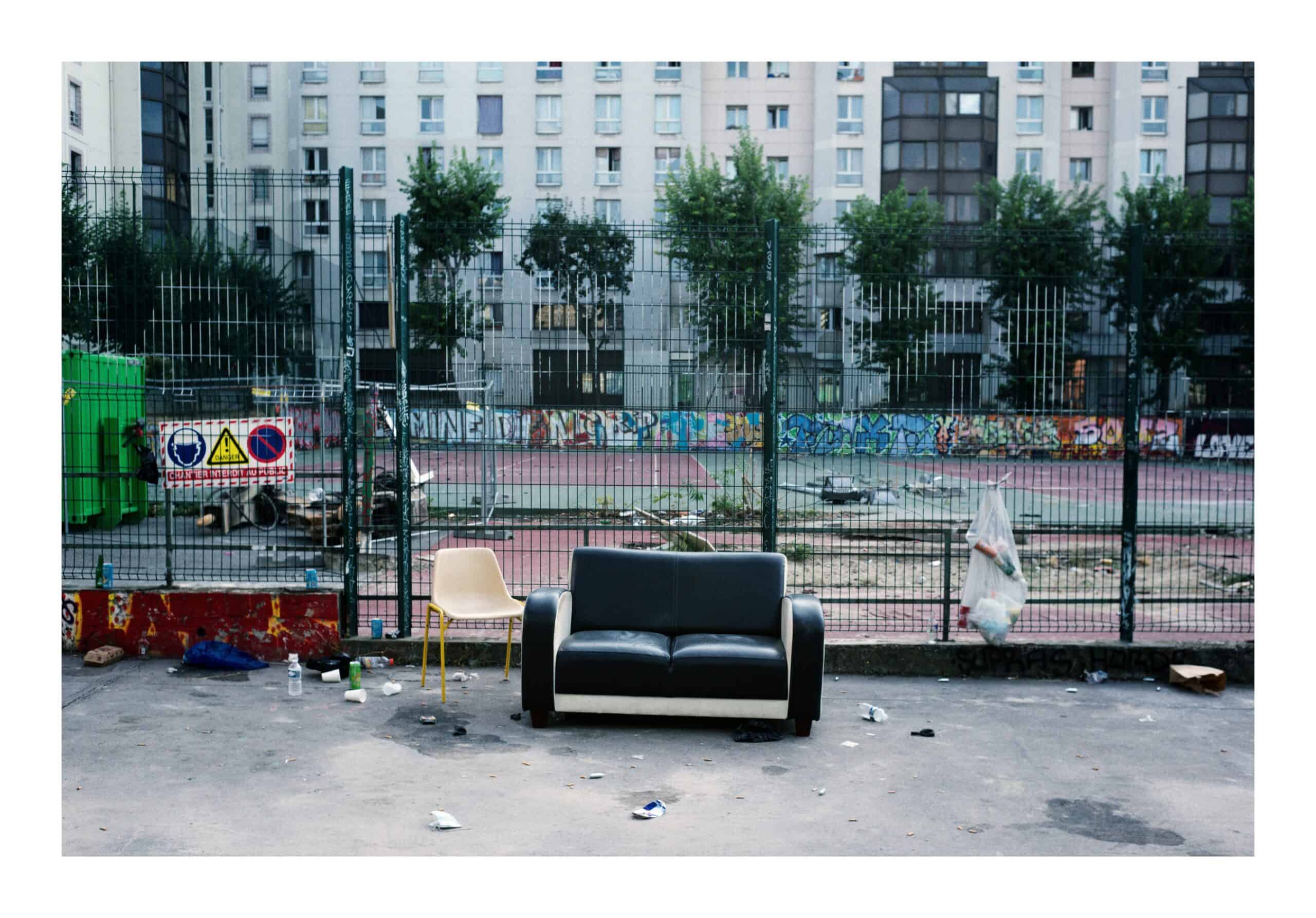
An urban riot represents one of the most dramatic forms of civil unrest in modern history. These explosive events have repeatedly transformed American cities. They reveal deep social tensions and systemic problems. The term gained prominence during the turbulent 1960s. However, urban violence has plagued American cities for over a century.
The roots of urban unrest run deep. Economic inequality creates fertile ground for social explosion. Racial discrimination adds another volatile element. Police brutality often serves as the immediate spark. Poor housing conditions fuel long-term resentment. Limited job opportunities breed desperation among residents.
Urban riots don’t happen in isolation. They emerge from complex social conditions. These events reflect broader patterns of urban decay. They highlight the struggles of marginalized communities. The consequences extend far beyond the immediate violence.
The Birth of Modern Urban Riot Patterns
The 1863 New York City Draft Riots marked an early example of urban violence. White working-class protesters opposed Civil War conscription laws. The riots lasted four days and claimed dozens of lives. Property damage reached millions of dollars. This event established patterns that would repeat for generations.
The early 20th century saw continued urban violence. The 1917 East St. Louis Riot shocked the nation. White mobs attacked African American workers and families. The violence stemmed from job competition and racial tensions. Similar patterns emerged in Chicago during 1919.
The 1919 Chicago Race Riot began with a tragic drowning incident. Eugene Williams, a black teenager, accidentally drifted into a “whites-only” beach area. A white man threw stones at the youth, who drowned. Police refused to arrest the attacker. The incident sparked a week of racial violence.
These early riots shared common characteristics. They often involved racial tensions between communities. Economic competition played a significant role. Law enforcement frequently failed to protect all citizens equally. The violence typically lasted several days before authorities restored order.
Social Conditions Behind Civil Unrest
For more strange history, see: Villa Epecuén: Argentina’s Lost Tourist Town Swallowed by Salt Water
Multiple factors contribute to urban violence. Poverty creates desperate conditions in many neighborhoods. High unemployment leaves young people without hope or purpose. Inadequate schools fail to provide pathways to success. Poor healthcare systems neglect community needs.
Housing discrimination forces families into overcrowded areas. These neighborhoods often lack basic services and infrastructure. Residents feel abandoned by city governments. Political exclusion prevents communities from addressing their concerns through normal channels.
Police-community relations often deteriorate in these areas. Residents report excessive force and discriminatory treatment. Trust between law enforcement and communities breaks down. Minor incidents can escalate quickly into major confrontations.
Urban renewal programs sometimes worsen existing problems. These initiatives often destroy established communities. They displace longtime residents without providing adequate alternatives. The disruption can increase social tensions and economic hardship.
The Explosive 1960s Urban Riot Era
The 1960s witnessed unprecedented urban violence across America. The Watts Riots in Los Angeles marked a turning point. This 1965 uprising introduced the term “urban riot” to national vocabulary. The violence lasted six days and required National Guard intervention.
The McCone Commission investigated the Watts uprising extensively. Their report identified multiple contributing factors. Poverty and racial discrimination topped the list. The recent passage of Proposition 14 had eliminated fair housing protections. This rollback of civil rights progress angered many residents.
Newark experienced devastating riots in 1967. The violence began with allegations of police brutality. Political exclusion of African Americans from city government fueled resentment. Urban renewal had displaced many longtime residents. Unemployment and inadequate housing created additional tensions.
The assassination of Martin Luther King Jr. triggered nationwide urban violence. Over 100 cities experienced riots in April 1968. Washington D.C., Baltimore, and Chicago saw particularly severe destruction. The aftermath of King’s death revealed the depth of urban problems across America.
These 1960s riots shared several characteristics. They typically began with police incidents involving African American residents. The violence often concentrated in commercial areas of black neighborhoods. Property destruction exceeded personal violence in most cases. Federal troops frequently intervened to restore order.
Lasting Impact and Lessons Learned
Urban riots have profoundly shaped American cities and policy. The violence of the 1960s prompted extensive government studies. The Kerner Commission concluded that America was “moving toward two societies, one black, one white.” This assessment influenced decades of urban policy.
Federal programs emerged to address underlying causes of urban unrest. The War on Poverty expanded social services in affected areas. Community development initiatives aimed to improve neighborhood conditions. Police departments began implementing community relations programs.
However, many underlying problems persist today. Economic inequality continues to plague urban areas. Racial disparities remain significant in education and employment. Police-community relations still face challenges in many cities. Housing affordability has become an even greater concern.
Modern urban violence often follows familiar patterns. The 1992 Los Angeles riots echoed themes from earlier decades. More recent unrest in Ferguson, Baltimore, and Minneapolis reflects ongoing tensions. Social media now amplifies both grievances and responses.
The study of urban riots has influenced academic research significantly. Urban economics emerged as a field partly due to 1960s violence. Sociologists developed new theories about collective behavior. Political scientists examined the relationship between representation and civil unrest.
Understanding urban riot history remains crucial for modern policymakers. These events reveal the consequences of neglecting urban problems. They demonstrate the importance of addressing systemic inequalities. Prevention requires sustained attention to community needs and concerns.
The legacy of urban riots continues to shape American cities today. They serve as powerful reminders of unresolved social tensions. These events highlight the ongoing struggle for equality and justice. Their history provides valuable lessons for building more inclusive communities.
Related Posts
 Nottingham Cheese Riot: When Angry Citizens Rolled Cheese Through the Streets in 1766
 Take Me to the Riot: The Strange Musical Phenomenon That Sparked Urban Legend
 Street fighting Throughout History: From Ancient Combat to Modern Urban Violence
 András Toma: The Last WWII Prisoner of War’s 56-Year Ordeal