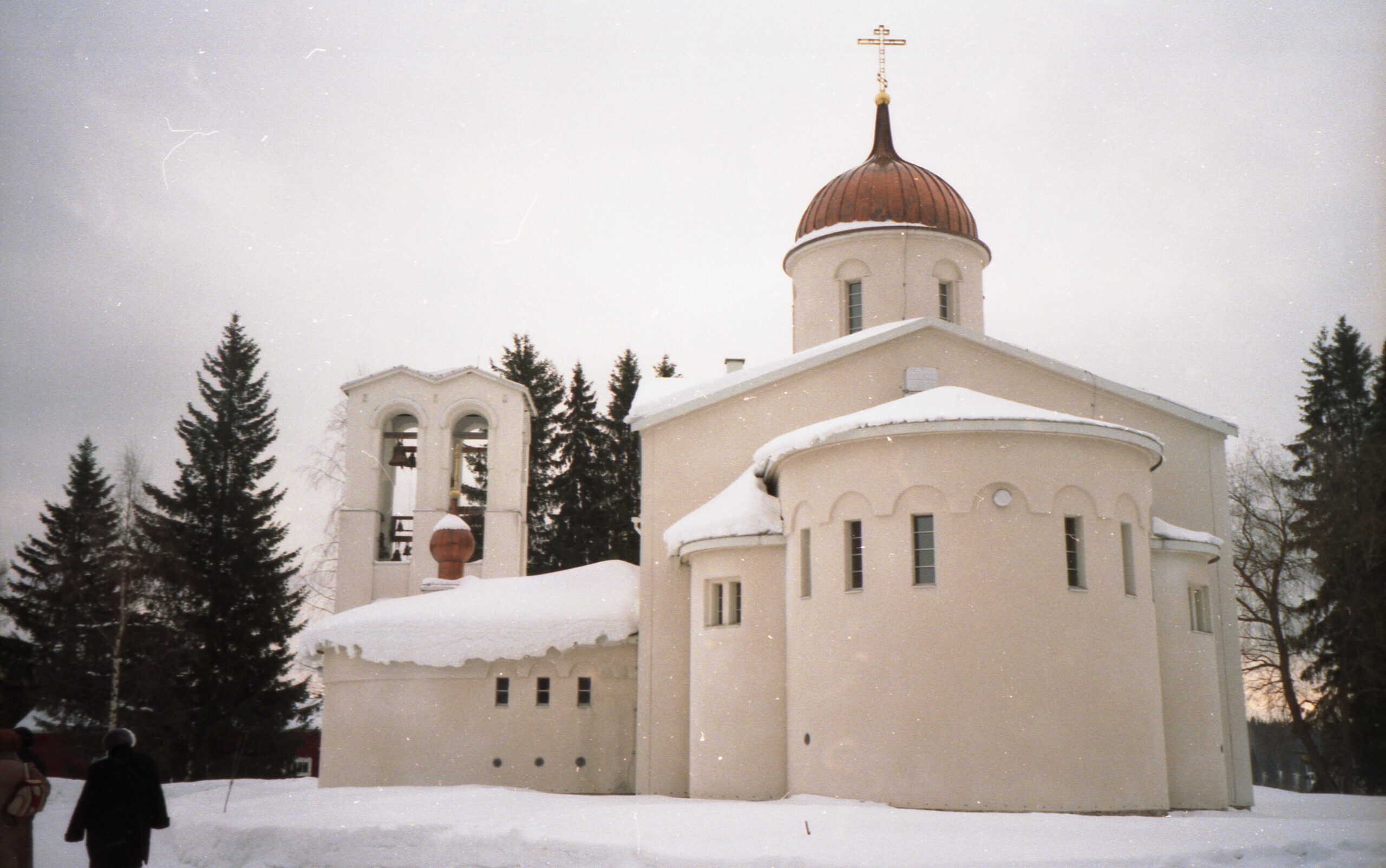
The Valamo Monastery Art Sales Scandal began as a holy blessing but ended as Finland’s most shocking art fraud. In 2016, visitors flocked to the ancient monastery on an island in Lake Saimaa. They came to see masterpieces by famous artists like Picasso, Matisse, and Chagall. What they didn’t know was that these “priceless” works were worthless fakes printed on home inkjet printers.
The scandal rocked Finland’s art world and exposed a web of lies that stretched from sacred monastery walls to eBay purchases. Criminal investigations revealed a carefully orchestrated deception that fooled thousands of visitors and generated hundreds of thousands of euros in fraudulent sales.
The Mysterious Family Collection Behind the Valamo Monastery Art Sales Scandal
The deception started with a compelling story. Vicar Bishop Arseni claimed he had discovered an extraordinary private collection owned by “an Eastern Finnish family.” This mysterious family allegedly possessed over 300 religious artworks by Finland’s greatest masters. The collection included pieces by Helene Schjerfbeck, Albert Edelfelt, and Akseli Gallen-Kallela.
Exhibition spokesperson Jussi Savolainen boasted about the collection’s significance. “This is not even a significant private collection, but a significant collection in Finnish terms,” he declared. “No museum has anything like it.”
But investigators later discovered the truth was far stranger. Finnish broadcaster Yle reported that the entire “family story” was fabricated. There was no mysterious collector family. The artworks came from a company called Saxton Oy, owned by Sari Tikkanen.
The first exhibition, “The Master’s Imprint,” attracted 7,300 visitors in 2014-15. Its success led to “The Master’s Imprint II” in 2015-16, which drew over 13,000 visitors. The monastery had never seen such crowds during its quiet winter months.
Sacred Walls Hide Valamo Monastery Art Sales Scandal Secrets
This event shares similarities with: The Elusive Canterbury Panther: Unraveling New Zealand’s Enduring Urban Legend
The monastery’s financial situation improved dramatically during the exhibitions. Archimandrite Sergei, the monastery’s father superior, noted that visitors used all the monastery’s services. They ate in restaurants, bought souvenirs, and stayed overnight. “The economy is now in the black,” he said happily.
Bus companies transported hundreds of visitors from across Finland. The monastery created special packages that included guided tours, meals, wine tastings, and afternoon coffee. Almost every group bought these expensive packages.
But something sinister lurked beneath this holy success. The third exhibition, “Via Finlandia,” opened in May 2016 to celebrate Finland’s independence centennial. This time, the artworks weren’t just for viewing – they were for sale.
Prices ranged from 4,000 euros to 600,000 euros. The most expensive pieces claimed to be works by international masters like Picasso, Matisse, and Chagall. Visitors trusted the monastery’s reputation and bought these “masterpieces” without question.
The monastery’s sacred atmosphere made people less suspicious. Who would expect fraud in such a holy place? The combination of religious trust and artistic prestige created perfect conditions for deception.
The Valamo Monastery Art Sales Scandal Unravels
The fraud began to unravel in May 2017. Finnish police launched a criminal investigation after experts raised concerns about the artworks’ authenticity. Detective Superintendent Kauko Kuismin made a shocking announcement: “We are investigating gross forgeries, counterfeiters and fraudsters.”
Forensic examination revealed the disturbing truth. Eight confiscated “graphic prints” were actually inkjet prints created between 1990-2010. All the supposed artists had died before this period, making their signatures obvious forgeries.
The investigation uncovered an even stranger detail. Savolainen had purchased many of the fake prints on eBay from a seller using the username “brooksie2000.” Local newspaper Savon Sanomat reported that he considered this eBay seller “trustworthy” despite never meeting them in person.
Police discovered that Saxton Oy had been operating since 2003 but had never paid required resale royalties to artists. The company’s 2017 records showed 284,000 euros in turnover with 67,000 euros in profit from the fraudulent sales.
Even after the scandal broke, Savolainen and Tikkanen continued selling art at other locations. They only stopped in 2018 after extensive media coverage exposed their continued operations.
Justice and Lingering Questions
In 2020, North Savo Magistrate’s Court delivered justice. Jussi Savolainen received 1.5 years suspended imprisonment for 30 counts of fraud and forgery. Sari Tikkanen faced harsher punishment: 2 years suspended imprisonment and a 3-year business ban for 34 crimes including embezzlement, fraud, forgery, and tax fraud.
The Eastern Finland Court of Appeal upheld these convictions in 2021. Tikkanen attempted to appeal to Finland’s Supreme Court, but the court refused to hear the case.
Questions remain about how the deception succeeded for so long. The monastery’s reputation provided perfect cover for the fraud. Visitors trusted the holy institution and didn’t question the artworks’ authenticity.
Metropolitan Arseni, who curated the exhibitions, claimed he was also deceived. Since 2018, he has served as metropolitan of the Diocese of Kuopio and Karelia. The monastery promised to investigate future partners more carefully.
The Valamo Monastery Art Sales Scandal exposed how easily trust can be exploited. It showed that even sacred places aren’t immune to deception. The fake masterpieces may be gone, but the questions about institutional responsibility linger like ghosts in the monastery’s ancient halls.