
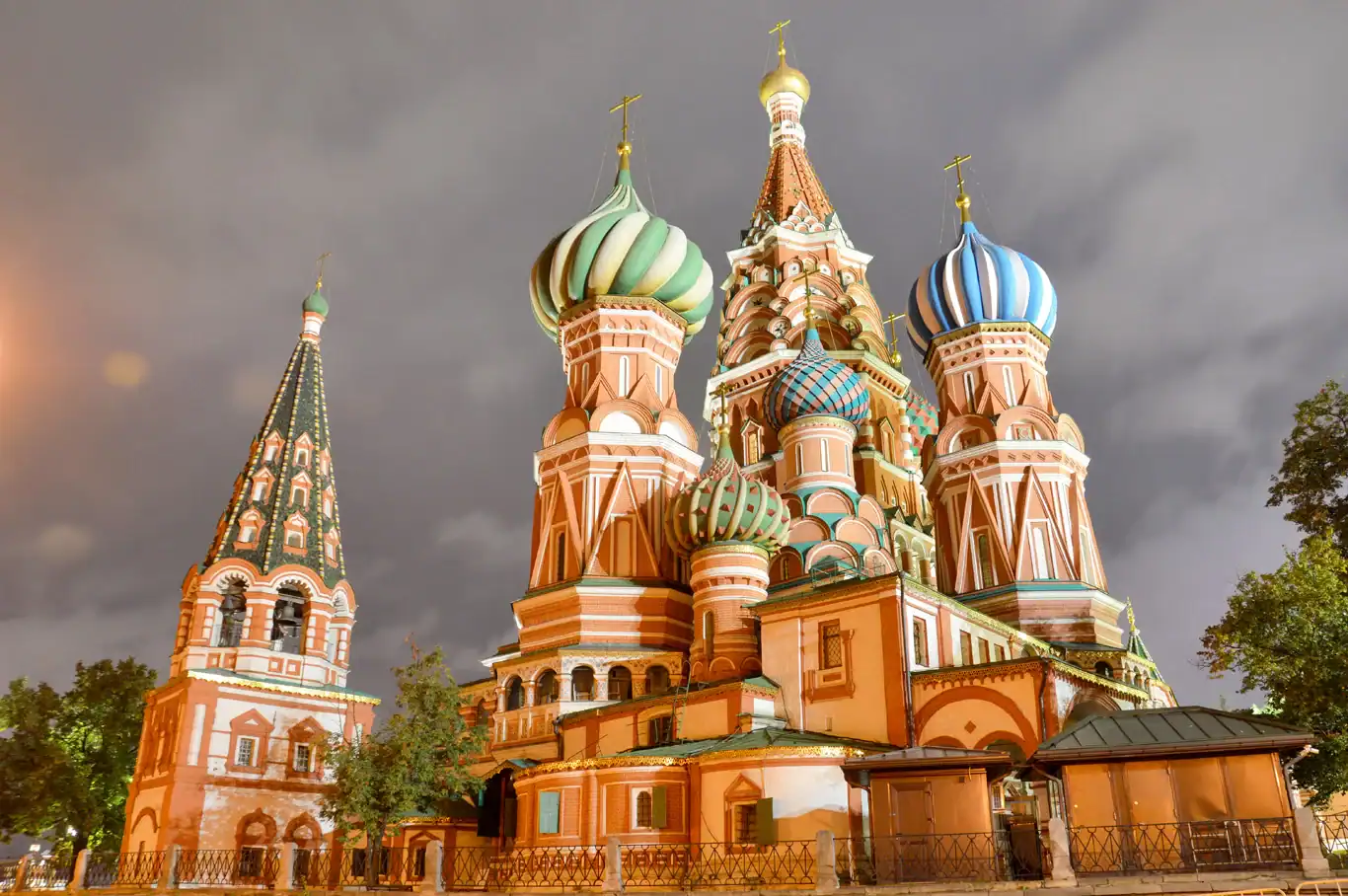
Why Are Warm-water Ports Important to Russia has become a question that haunts military strategists and historians alike. For centuries, Russia’s relentless pursuit of ice-free naval bases has spawned tales of cursed expeditions, vanishing fleets, and ominous portents that seem to follow every attempt at expansion. The obsession runs so deep that some believe it carries a supernatural curse,one that manifests in the strangest ways possible.
The quest began in earnest during the reign of Peter the Great, who declared that Russia must have access to warm waters “or perish as a nation.” His words proved prophetic in ways he never imagined. Every major Russian naval expansion has been accompanied by unexplained phenomena, mysterious accidents, and eerie coincidences that defy rational explanation.
The Phantom Fleet of Sevastopol: Why Are Warm-water Ports Important to Russia’s Ghostly Legacy
The Crimean Peninsula holds Russia’s most prized warm-water port at Sevastopol. But locals whisper of strange sightings in the harbor,phantom ships that appear on foggy nights, sailing in perfect formation before vanishing without a trace. These spectral vessels allegedly carry the souls of sailors who died defending Russia’s warm-water ambitions.
During World War II, Soviet naval officers reported seeing ghostly warships emerging from the mist during the siege of Sevastopol. The apparitions appeared so real that coastal batteries opened fire, only to watch their shells pass harmlessly through the phantom hulls. One witness described seeing “the ghosts of Admiral Nakhimov’s fleet, still fighting to protect our sacred port.”
The phenomenon intensified after Russia’s 2014 annexation of Crimea. Ukrainian fishermen reported encounters with mysterious vessels that appeared on radar but couldn’t be seen with the naked eye. These ghost ships allegedly communicated in archaic Russian naval codes, as if the spirits of long-dead admirals were still issuing orders from beyond the grave.
The Tartus Curse: Syria’s Haunted Naval Base
Another fascinating historical case is: Epic of Manas: The Mystical Oral Tradition That Defies Historical Logic
Russia’s naval facility at Tartus, Syria, has been plagued by unexplained incidents since its establishment in 1971. The base sits atop ancient Phoenician ruins, and local folklore claims the spirits of ancient mariners curse any foreign navy that dares occupy their sacred waters.
Strange accidents have plagued Russian operations at Tartus for decades. Equipment malfunctions without explanation, compasses spin wildly, and electronic systems fail during critical moments. Sailors report hearing phantom voices speaking in ancient languages, echoing through the base’s corridors at night. Some claim to see translucent figures in ancient robes walking the docks, inspecting modern warships with disapproving glares.
The curse seemed to reach its climax in December 2024, when Assad’s regime collapsed and Russian forces were forced to evacuate. Historical records from 1913 show similar patterns of mysterious naval withdrawals from contested warm-water ports, suggesting this supernatural pattern has repeated for over a century.
Why Are Warm-water Ports Important to Russia: The Sudan Supernatural Incident
Russia’s attempt to establish a naval base in Port Sudan revealed perhaps the most disturbing supernatural manifestation yet. In February 2025, when Sudan confirmed the agreement for a Russian naval facility, local shamans immediately declared the venture cursed. They pointed to ancient prophecies warning that “northern ships in southern waters bring only death and darkness.”
Within months, inexplicable events began plaguing the project. Construction equipment would mysteriously break down at dawn each day. Workers reported seeing apparitions of drowned sailors walking along the shoreline, pointing accusingly at the construction site. Most disturbing were the reports of phantom submarines surfacing in the harbor,vessels that appeared solid enough to create wakes but vanished when approached.
The supernatural activity reached a crescendo when several Russian naval personnel reported simultaneous nightmares featuring the same ghostly figure,a bearded admiral in 19th-century uniform, warning them to “abandon this cursed enterprise before it consumes you all.” By December 2025, Sudan had frozen the base plans, with officials privately admitting that “unexplained circumstances” made the project untenable.
The Prophetic Patterns of Naval Doom
Military historians have identified disturbing patterns in Russia’s warm-water port ventures. Each major expansion attempt is preceded by a series of omens: unusual animal behavior, electromagnetic anomalies, and sightings of ghostly naval vessels. These phenomena intensify as projects near completion, culminating in political upheavals or military disasters that force Russian withdrawal.
The pattern held true for Port Arthur in 1905, where Russian sailors reported seeing phantom Japanese warships weeks before the actual attack. Similar sightings occurred before the loss of naval facilities in Libya, Egypt, and most recently, Syria. Each time, the supernatural warnings went unheeded, leading to strategic disasters that set back Russian naval ambitions by decades.
Modern naval analysts dismiss these accounts as superstition, but the statistical correlation remains undeniable. Every Russian warm-water port venture accompanied by paranormal reports has ended in failure, while those without supernatural manifestations have succeeded.
The question of Why Are Warm-water Ports Important to Russia may have a supernatural answer that military strategists refuse to acknowledge. Perhaps the obsession itself has become a curse, dooming each expansion attempt to failure through forces beyond human understanding. As Russia continues its quest for ice-free naval dominance, one wonders if the phantom fleets will continue their eternal vigil, protecting warm waters from northern invaders through supernatural means that defy all rational explanation.
Related Posts
 Uvb-76: The Mysterious Russian Radio Station That Never Stops Broadcasting
 Alyoshenka: The Kyshtym Dwarf That Vanished Without a Trace
 Russian Sleep Experiment: The Terrifying Creepypasta That Fooled the World
 Mysterious Drone Incursions at Belgian Military Bases and Nuclear Facilities: Silent Watchers in the Night