
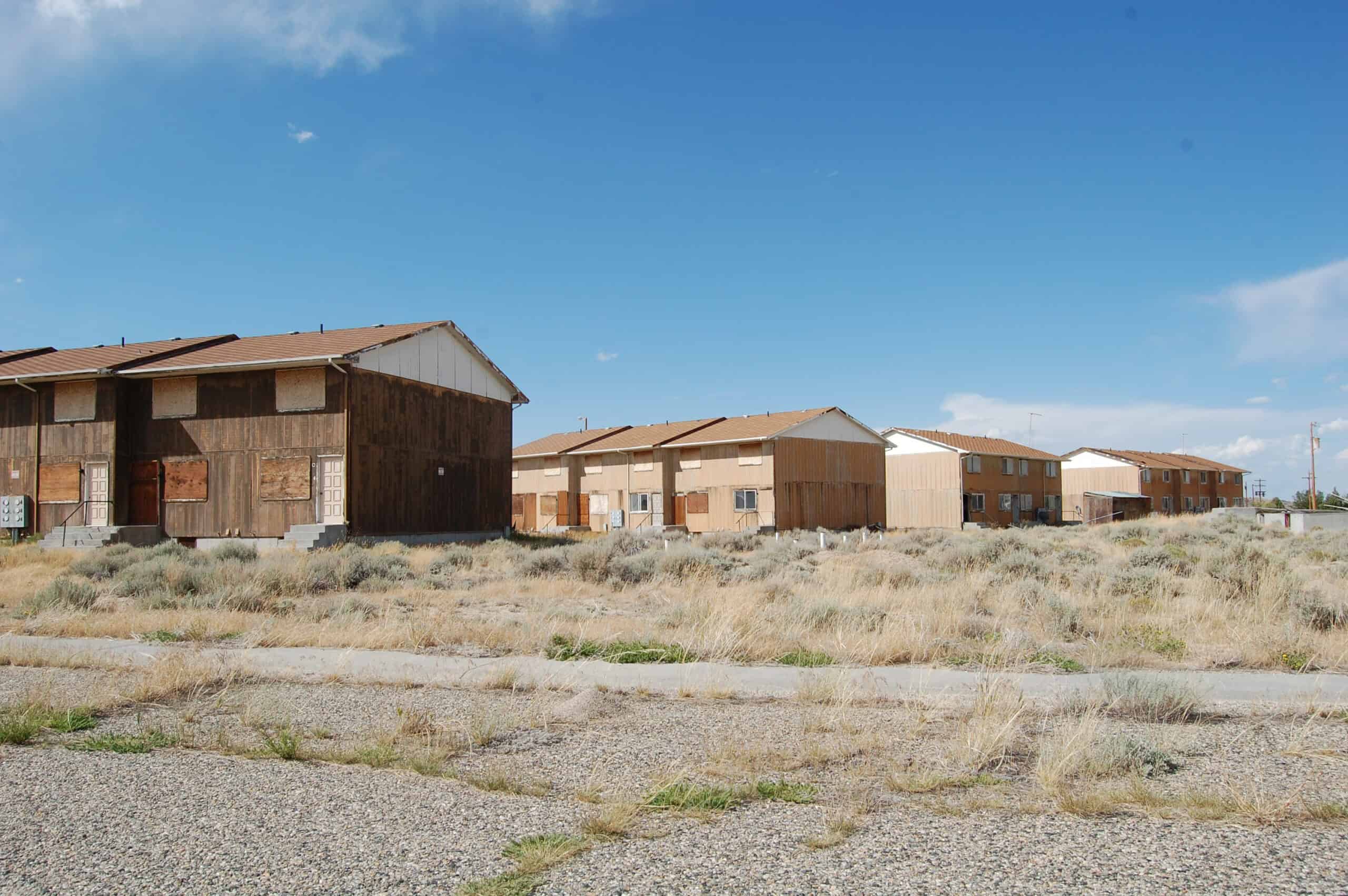
The term “yellowcake boomtown” evokes images of the Wild West gold rush, but these communities harbored far darker secrets than their predecessors. During the Cold War, uranium mining created instant cities across the American West. Towns like Jeffrey City, Wyoming, and Uravan, Colorado, exploded with thousands of residents seeking fortune in radioactive ore. But when the boom ended, these communities didn’t just fade away,they left behind contaminated landscapes and haunting mysteries that continue to puzzle researchers today.
Unlike traditional mining towns, yellowcake boomtowns carried an invisible danger. Workers handled uranium ore without proper protection. Families unknowingly built homes with radioactive materials. Children played in contaminated soil while their parents gardened using uranium tailings as fertilizer. The long-term consequences wouldn’t become clear until decades later, when cancer rates soared and birth defects appeared with alarming frequency.
The Yellowcake Boomtown Phenomenon Begins
The uranium rush started in 1950 when Navajo rancher Paddy Martinez discovered glowing ore near Grants, New Mexico. Word spread quickly through the desert Southwest. Within months, Grants transformed from a sleepy village of 2,200 people into a bustling city of 50,000. The town earned the nickname “Uranium Capital of the World” as five processing mills worked around the clock to refine yellowcake uranium oxide.
Charlie Steen’s 1952 discovery near Moab, Utah, triggered another uranium frenzy. The population exploded from 1,200 to 6,500 residents almost overnight. Uranium mining operations spread across the Colorado Plateau like wildfire. Prospectors used Geiger counters instead of gold pans, searching for the telltale radioactive signature of uranium-bearing ore.
The government’s demand seemed insatiable. The Cold War arms race required massive quantities of enriched uranium for nuclear weapons. Mining companies promised steady work and good wages to anyone willing to dig. Few questioned the health risks of handling radioactive materials. Most workers had no idea they were contributing to America’s nuclear arsenal.
Life and Death in a Yellowcake Boomtown
Related article: Trans-allegheny Lunatic Asylum: America’s Most Haunted Psychiatric Hospital
Jeffrey City, Wyoming, exemplified the yellowcake boomtown experience. Starting as a collection of trailers in 1957, it grew into a proper town with schools, hospitals, and shopping centers. By the early 1980s, nearly 4,500 people called Jeffrey City home. The Western Nuclear Corporation provided jobs and built community infrastructure.
But beneath the surface prosperity, something sinister was happening. Workers developed mysterious respiratory illnesses. Cancer rates climbed steadily higher than national averages. Families reported strange birth defects and unexplained deaths. The company downplayed these concerns, insisting their operations were safe.
Internal documents later revealed that Western Nuclear knew about the health risks. They conducted secret radiation monitoring but didn’t share results with workers or residents. Government inspectors found numerous safety violations but enforcement remained lax. The economic benefits of uranium production outweighed public health concerns in the minds of officials.
Children in Jeffrey City faced particular dangers. They played on equipment dumps they nicknamed “Treasure Island,” not knowing the machinery was contaminated with radioactive dust. Parents used uranium tailings to landscape their yards, creating radioactive playgrounds in their own backyards.
The Mysterious Collapse of Yellowcake Boomtown Communities
The end came suddenly for most yellowcake boomtowns. In Jeffrey City, massive layoffs began in 1981 when uranium prices plummeted. The June 4th layoff of 244 workers signaled the beginning of the end. Desperate families held a massive garage sale that weekend, trying to sell everything before fleeing town.
The community’s collapse was swift and brutal. Jeffrey City lost 95% of its population within six years. By 1988, only a handful of residents remained. Houses sat empty, their radioactive foundations slowly crumbling. The town became a study in economic devastation and environmental contamination.
Uravan, Colorado, faced an even more dramatic fate. The government ordered the last families to evacuate in 1986. Unlike other abandoned towns, Uravan was completely demolished and buried under sand and dirt. Officials declared the entire townsite too contaminated for human habitation. Today, visitors are prohibited from exploring the area where 800 people once lived and worked.
The secrecy surrounding Uravan’s destruction fueled conspiracy theories. Some residents claimed the government was hiding evidence of illegal human radiation experiments. Others suspected the town’s demolition concealed military secrets related to nuclear weapons production.
Lingering Mysteries and Unexplained Phenomena
Decades after the boom ended, yellowcake boomtowns continue generating mysteries. In Jeffrey City, radiation readings in some homes remain dangerously high. The source of this contamination puzzles scientists. Some houses test clean while neighboring properties show elevated levels with no apparent explanation.
Strange health patterns persist in former uranium communities. Cancer clusters appear in areas with no obvious contamination source. Birth defects occur at rates far above national averages. Researchers struggle to establish clear links between past uranium exposure and current health problems.
Environmental mysteries abound as well. Abandoned uranium mines dot the landscape like radioactive scars. Groundwater contamination spreads in unpredictable patterns. Wildlife populations show genetic abnormalities that scientists can’t fully explain. The full extent of environmental damage may never be known.
Recent investigations have uncovered disturbing evidence of government cover-ups. Classified documents reveal that officials knew about health risks but chose to suppress information. Some researchers believe the true scope of radiation exposure was deliberately hidden to protect the nuclear weapons program.
The yellowcake boomtown legacy continues haunting the American West. These ghost towns serve as radioactive reminders of humanity’s reckless pursuit of nuclear power. Their contaminated ruins whisper warnings about the hidden costs of progress. As cleanup efforts continue, new mysteries emerge from the radioactive dust of these forgotten communities.
Related Posts
 Uvb-76: The Mysterious Russian Radio Station That Never Stops Broadcasting
 May-Stringer House: A Victorian Jewel in Florida’s Historic Brooksville
 Chocochatti: The Lost Seminole Village Where Spirits Still Roam Florida’s Haunted Prairie
 Trans-allegheny Lunatic Asylum: America’s Most Haunted Psychiatric Hospital