
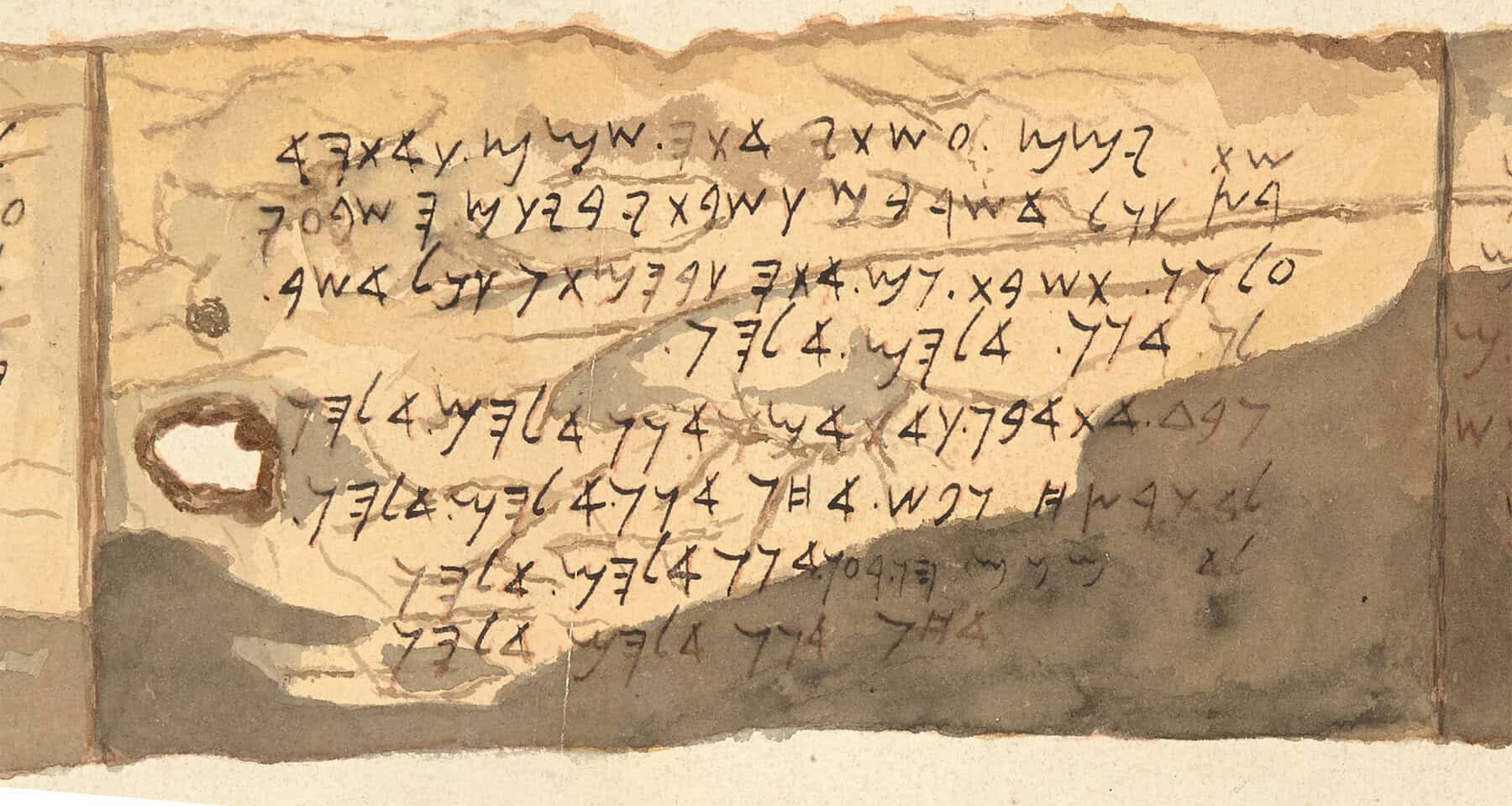
A biblical conspiracy theory suggests that much of what we believe about Christianity’s sacred texts has been deliberately concealed or altered by powerful religious institutions. These theories claim that secret societies, ancient mystery schools, and church authorities have worked together for centuries to suppress the true origins and meanings of biblical stories. From allegations about Jesus having a wife and children to claims that entire books were removed from the Bible, these theories challenge everything we think we know about Christianity’s foundation.
The most disturbing aspect of these theories isn’t just what they claim was hidden, but how they suggest this deception was carried out. Proponents argue that a coordinated effort spanning millennia has kept humanity in the dark about its spiritual heritage. They point to mysterious gaps in historical records, unexplained changes in early Christian doctrine, and the convenient disappearance of certain ancient texts as evidence of this grand conspiracy.
The Jesus-Mary Magdalene Biblical Conspiracy Theory Connection
One of the most persistent biblical conspiracy theory claims centers on Jesus Christ’s relationship with Mary Magdalene. According to this theory, Mary wasn magdalene wasn’t just a follower but possibly Jesus’s wife and the mother of his children. The theory suggests that early church fathers deliberately suppressed this information to maintain their patriarchal power structure.
The 1982 book “Holy Blood, Holy Grail” by Michael Baigent, Richard Leigh, and Henry Lincoln popularized the idea that Jesus’s bloodline continues to this day. They claimed that secret organizations like the Priory of Sion have protected this knowledge for centuries. The theory gained massive public attention through Dan Brown’s “The Da Vinci Code,” though Brown presented it as fiction rather than fact.
What makes this theory particularly unsettling is how it reframes Christianity’s entire foundation. If Jesus had children, the implications for Christian theology would be staggering. Believers in this theory point to the Gospel of Philip and other Gnostic texts that describe Mary Magdalene as Jesus’s companion. They argue that these texts were deliberately excluded from the biblical canon because they revealed truths the early church wanted to hide.
Church Suppression and the Biblical Conspiracy Theory of Reincarnation
Another fascinating historical case is: The Elusive Canterbury Panther: Unraveling New Zealand’s Enduring Urban Legend
Another disturbing biblical conspiracy theory suggests that Jesus actually taught reincarnation, but the Christian Church systematically erased this belief from official doctrine. Proponents claim that early Christian theologians like Origen wrote extensively about reincarnation, but these texts mysteriously disappeared or were deliberately destroyed.
Origen of Alexandria was one of Christianity’s most influential early theologians, and conspiracy theorists point to the suspicious gaps in his surviving works. They argue that church authorities removed any references to reincarnation to maintain control over believers. If people believed they had multiple lifetimes to achieve salvation, the theory goes, they wouldn’t be as dependent on the church’s guidance.
The Council of Nicaea in 325 AD becomes particularly sinister in this narrative. Conspiracy theorists claim that Emperor Constantine and church bishops didn’t just establish Christian doctrine,they actively suppressed competing beliefs that included reincarnation. The theory suggests that Christianity was deliberately stripped of its mystical elements to create a more controllable religion.
What’s most chilling about this theory is how it portrays centuries of Christian teaching as a massive deception. If true, it would mean that millions of believers have been denied knowledge about their souls’ true nature and destiny.
The Biblical Conspiracy Theory Behind Missing Gospels
Perhaps the most comprehensive biblical conspiracy theory involves the claim that numerous authentic gospels and religious texts were deliberately excluded from the Bible. These theories suggest that a secretive group of church officials decided which books would be included in the biblical canon, suppressing texts that contradicted their preferred narrative.
The discovery of the Nag Hammadi library in 1945 gave these theories new ammunition. These ancient Gnostic texts, buried in the Egyptian desert for over 1,500 years, contained gospels and religious writings that painted a very different picture of early Christianity. Conspiracy theorists argue that these texts were hidden because they revealed truths that threatened church authority.
Archaeological discoveries continue to fuel these theories. The Gospel of Thomas, the Gospel of Mary, and other texts describe Jesus’s teachings in ways that often contradict orthodox Christian doctrine. Conspiracy theorists claim these weren’t excluded for theological reasons but because they threatened the power structure that church leaders were trying to establish.
The theory becomes even more sinister when applied to the selection process itself. Rather than divine inspiration guiding the choice of biblical books, conspiracy theorists argue that political considerations and power struggles determined what Christians would be allowed to read. They claim that authentic revelations were sacrificed to create a more manageable and profitable religion.
Modern Digital Age Conspiracies and Ancient Texts
In recent years, biblical conspiracy theories have evolved to incorporate modern technology and contemporary political movements. The QAnon movement has merged with certain Christian denominations, creating what researchers call “pseudo-Christian extremist” groups that reinterpret biblical prophecy through conspiracy theory lenses.
These modern theories often involve claims about hidden codes in biblical texts. Some believers argue that the Bible contains encrypted messages that can only be decoded using computer analysis. They point to patterns in Hebrew letters or numerical sequences as evidence of hidden prophecies about current events.
The rise of Christian nationalism has also influenced biblical conspiracy theories. Some groups claim that America was founded as a Christian nation based on hidden biblical principles, and that secular forces are working to suppress this truth. These theories often blend religious beliefs with political conspiracy theories, creating a potent mixture of spiritual and ideological conviction.
What makes these modern versions particularly concerning is how they use technology to spread their message while claiming that same technology is being used to suppress biblical truth. Social media platforms become both the means of revelation and evidence of persecution in these narratives.
The persistence of biblical conspiracy theories reveals something profound about human nature and our relationship with sacred texts. Whether driven by genuine spiritual seeking or a desire to uncover hidden truths, these theories continue to attract believers who feel that conventional Christianity doesn’t provide satisfactory answers. While most scholars dismiss these claims as unfounded speculation, the theories persist because they tap into deep questions about authority, truth, and the nature of religious belief itself.
Related Posts
 Uvb-76: The Mysterious Russian Radio Station That Never Stops Broadcasting
 Longyou Caves: China’s 2,000-Year-Old Underground Mystery That Defies Explanation
 Phaistos Disc: The Mysterious Clay Artifact That Defies All Attempts at Translation
 January 2026 Solar Storm: The Celestial Event That Defied Scientific Predictions