
The Chiemsee Cauldron emerged from the dark depths of Bavaria’s largest lake in 2001, carrying with it a mystery that would captivate archaeologists, treasure hunters, and conspiracy theorists alike. When diver Jens Essig pulled the gleaming 24-pound gold vessel from Lake Chiemsee’s murky bottom, he had no idea he’d uncovered what might be one of the most controversial artifacts of the modern era. The ornate cauldron, decorated with intricate Celtic-style designs, initially appeared to be an ancient treasure. But as experts examined the find more closely, disturbing questions arose about its true origins and the dark forces that may have created it.
The discovery site itself holds an eerie significance. Essig found the cauldron just 200 meters from shore near Arlaching, in waters that had kept their secret for decades. The 50-centimeter diameter vessel, crafted from 18-karat gold, bore striking similarities to the famous Gundestrup cauldron discovered in Denmark. Yet something felt wrong about this gleaming prize. The pristine condition and suspicious circumstances surrounding its placement would soon unravel a tale far more sinister than anyone initially imagined.
The Chiemsee Cauldron’s Sinister Nazi Connection
What began as excitement over an ancient Celtic artifact quickly transformed into horror when experts identified the Chiemsee Cauldron as a likely Nazi creation. Ludwig Wamser of the Bavarian State Archaeological Collection shattered initial hopes when his analysis revealed the vessel’s 20th-century origins. The media, with dark humor, dubbed it “Hitler’s bedpan,” but the reality was far more chilling than any joke could convey.
Evidence points to a web of Nazi officials and craftsmen who brought this golden vessel to life. Alfred Notz, a goldsmith working for Munich’s Theodor Heiden company, reportedly created the cauldron between 1925 and 1939. The commission allegedly came from Albert Pietzsch, director of Elektrochemische Werke München, who maintained personal contact with Adolf Hitler from 1920 and generously funded the future dictator’s rise to power.
The most disturbing revelation came from documents discovered in 2011 among Heinrich Himmler’s belongings. These Nazi papers, dated April 1945, list a “gold cauldron/Celtic” alongside the name “Otto Gahr” and “Munich.” Gahr wasn’t just any craftsman,he was the Nazi Party’s favored jeweler who designed the infamous SS Death’s Head rings. The thought of this master of macabre symbols crafting an ancient-looking vessel sends chills down the spine of anyone familiar with Nazi occult obsessions.
Mysterious Wartime Disappearance and Lake Burial
This event shares similarities with: Havana Syndrome: The Mysterious Illness Targeting American Officials Worldwide
The Chiemsee Cauldron’s journey from Nazi workshop to lake bottom remains shrouded in mystery. Theories suggest the vessel was created for Alfred Rosenberg, Hitler’s chief ideologist, who planned to establish a Nazi education center near Lake Chiemsee. This “Wewelsburg of the South” would have served as a temple to Nazi racial theories and Germanic mythology. But as Allied forces closed in during 1945, these grandiose plans crumbled into desperate attempts to hide evidence of the regime’s crimes.
The most compelling theory involves the SS Division Nibelungen, named after the mythological dwarves who guarded treasure in German folklore. This division, formed in March 1945 and consisting primarily of Hitler Youth, retreated to Lake Chiemsee’s shores as defeat became inevitable. On May 8, 1945, they surrendered to Allied forces, but not before potentially sinking precious artifacts beneath the lake’s surface.
The timing couldn’t be more suspicious. Historical records from 1945 document the chaos of Nazi Germany’s final days, when officials desperately tried to hide evidence of their activities. Over 9,000 SS Death’s Head rings collected from Wewelsburg Castle in March 1945 have never been found, suggesting a systematic effort to conceal Nazi treasures. The Chiemsee Cauldron may represent just one piece of a vast hidden fortune still lurking in Germany’s waters and forests.
The Ancient Celtic Theory and Scholarly Controversy
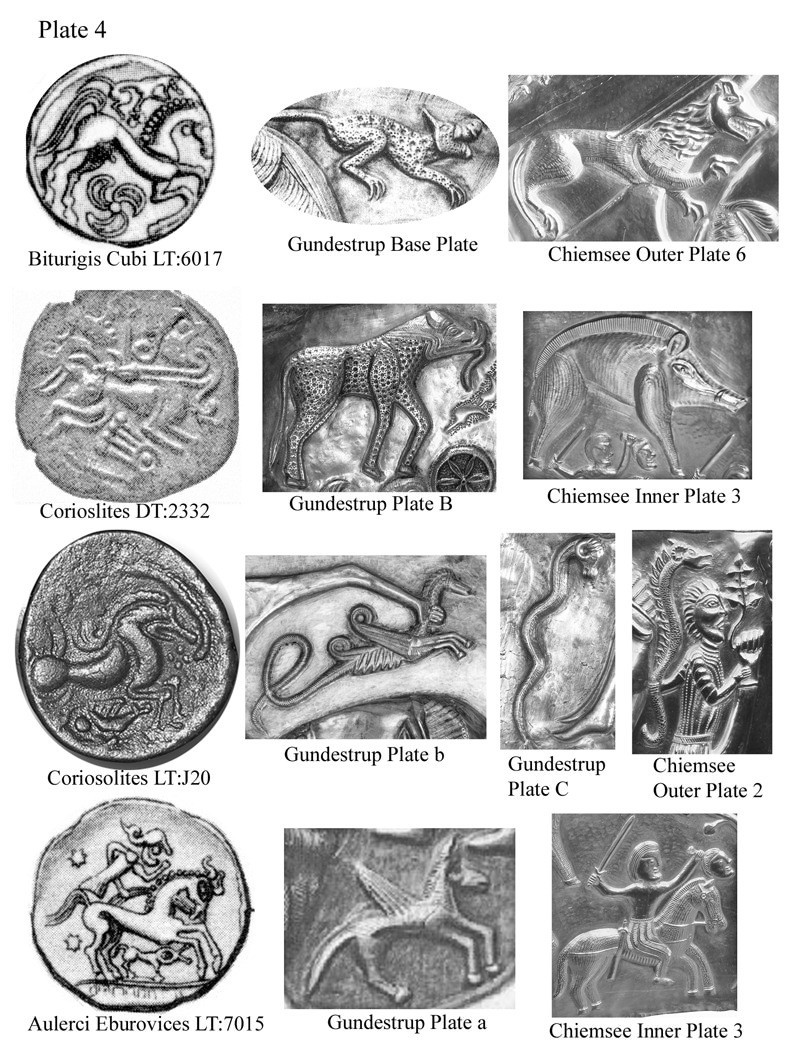
Not everyone accepts the Nazi origin story. Professor Garrett Olmsted, a Harvard-trained anthropologist and Celtic studies expert, spent three years studying the cauldron after being approached by its owner in 2019. His conclusion shocked the academic world: “There is no possibility whatsoever that the Chiemsee cauldron is fake.” Olmsted argues both the Chiemsee and Gundestrup cauldrons emerged from the same school of metalworkers who created Armorican coins between 75-55 BC.
Olmsted’s research suggests the cauldron depicts stories recorded in Gaul by the ancient writer Poseidonius during the same period when this artistic style flourished. He believes both vessels were produced within the same cultural milieu, possibly even the same workshop. Metallurgical analysis from 2007 revealed results “inconsistent with modern dental gold” but fitting with ancient Cornish gold and silver nuggets.
This competing theory adds another layer of mystery to an already complex puzzle. If Olmsted is correct, then the Chiemsee Cauldron represents a genuine 2,000-year-old treasure that somehow survived centuries before ending up in Bavarian waters. But if the Nazi theory holds true, then skilled craftsmen created a masterpiece so convincing it could fool modern experts. Either way, the vessel’s true nature remains tantalizingly elusive.
Fraud, Fortune, and a Texas Storage Unit
The Chiemsee Cauldron’s post-discovery journey reads like a thriller novel filled with international fraud schemes and million-dollar lawsuits. Bavaria initially sold the artifact for €300,000,twice the value of its gold content,to a Swiss entrepreneur who claimed it was worth between €250-350 million as an ancient relic. When investors from Kazakhstan discovered they’d been deceived, they filed suit in 2006, leading to the cauldron’s confiscation by Zurich authorities.
The legal battles continued across continents. In 2014, Josef Hatzenbuehler purchased the vessel at a bankruptcy auction for 965,000 Swiss francs, believing he’d acquired a priceless ancient artifact. When he learned of its disputed origins, he filed suit in Texas against original finder Jens Essig, claiming fraud and demanding justice. The complex legal proceedings highlight how the mystery surrounding the cauldron’s authenticity has destroyed lives and fortunes.
As of recent reports, this golden enigma sits locked away in a Texas storage unit, “collecting dust” while lawyers battle over its ownership and value. The irony is palpable,a vessel that may have been created to celebrate Germanic heritage or ancient Celtic culture now languishes in American exile, its secrets still intact after more than two decades of scrutiny.
The Chiemsee Cauldron continues to defy easy explanation, embodying the dangerous intersection of archaeological treasure hunting, Nazi occultism, and modern greed. Whether it represents ancient Celtic artistry or Nazi propaganda crafted in gold, this mysterious vessel reminds us that some secrets refuse to stay buried, even at the bottom of Bavaria’s deepest lake.
Related Posts
 Uvb-76: The Mysterious Russian Radio Station That Never Stops Broadcasting
 Biblical Conspiracy Theory: The Hidden Truth About Sacred Texts and Secret Societies
 Mysterious Drone Incursions at Belgian Military Bases and Nuclear Facilities: Silent Watchers in the Night
 Why Are Warm-water Ports Important to Russia: The Cursed Quest That Haunts Moscow’s Naval Dreams