
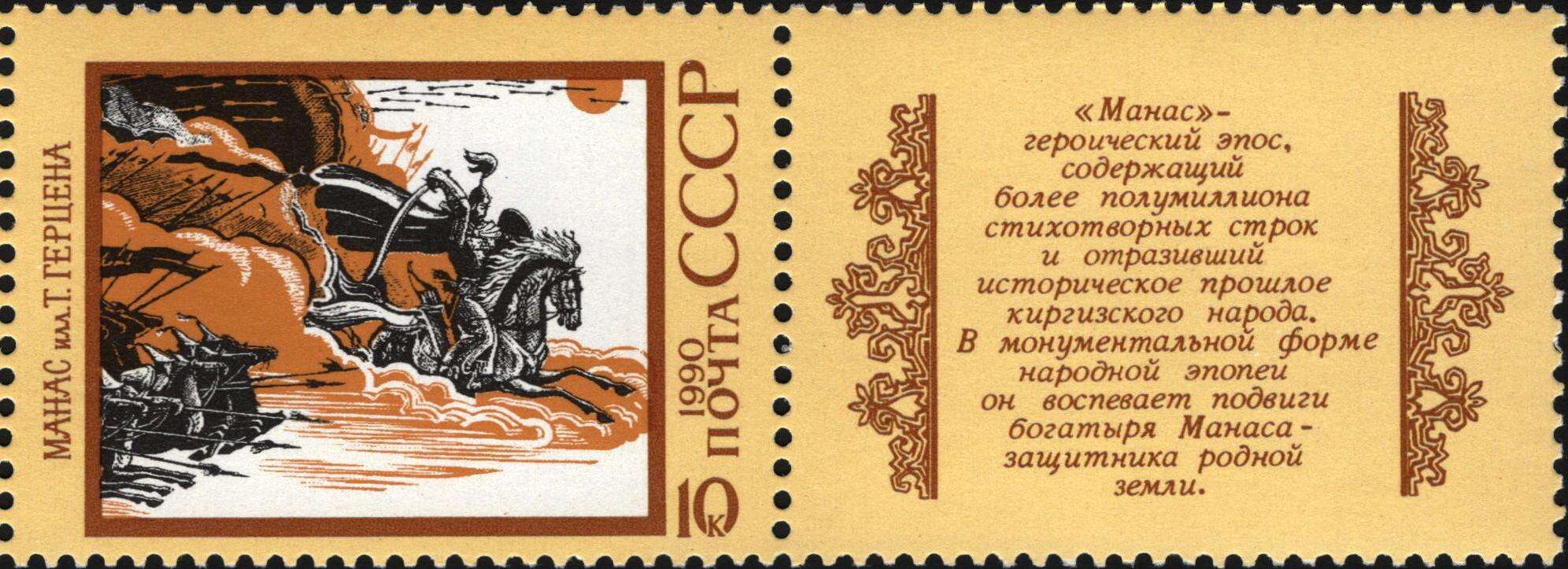
The Epic of Manas stands as one of history’s most puzzling oral traditions, containing over half a million verses that seem to bend the laws of time and memory. This massive Kyrgyz epic poem presents historians with an unsettling mystery. How could ancient bards memorize and recite stories longer than the Bible without written records?
The epic tells of Manas, a legendary warrior whose supernatural strength and prophetic abilities helped unite the Kyrgyz people. But the poem contains historical events from different centuries woven together in impossible ways. Some scholars believe the epic holds memories that predate written history by thousands of years.
Traditional storytellers called manaschy claim their knowledge comes from dreams and visions. They describe receiving the epic’s verses through supernatural means rather than conventional learning. Many report that the spirit of Manas himself visits them in sleep, dictating new passages and correcting their recitations.
The Epic of Manas and Its Supernatural Origins
The strangest aspect of the Epic of Manas lies in how it was preserved and transmitted. Unlike other oral traditions, this epic shows no signs of degradation over centuries. Each manaschy recites virtually identical versions despite never having written texts to reference.
Researchers studying the epic have documented bizarre phenomena surrounding its performance. Manaschy often enter trance-like states while reciting, their voices changing dramatically. Some witnesses report that performers seem possessed by ancient spirits during lengthy recitations that can last for days.
The epic’s protagonist Manas possesses clearly supernatural abilities. He communicates with animals, receives prophetic dreams, and demonstrates impossible physical feats. His horse Toruchaar displays equal mystical powers, understanding human speech and fighting alongside its master with uncanny intelligence.
Even more puzzling, the epic accurately describes geographical locations and historical events from periods when the Kyrgyz people lived hundreds of miles away. The Smithsonian Magazine notes that these details suggest either supernatural knowledge or contact with distant peoples that historians cannot explain.
Historical Impossibilities Within the Epic of Manas
Related article: Angikuni Lake
The timeline presented in the Epic of Manas creates serious problems for historians. The story combines events from the 8th, 16th, and 17th centuries as if they occurred simultaneously. Characters interact with historical figures who lived centuries apart.
Manas allegedly fights against the Oirats, a Mongol confederation that didn’t exist during his supposed lifetime. The epic describes weapons, tactics, and political structures from different historical periods existing together. These anachronisms suggest either supernatural foresight or a more complex origin than scholars understand.
Archaeological evidence contradicts many claims in the epic. The ancestral lands described in the poem show no signs of early Kyrgyz occupation. Yet the epic provides detailed descriptions of these regions, including geographic features and local customs that match historical records.
The epic’s treatment of neighboring peoples also defies historical logic. It describes alliances and conflicts with groups that never encountered the Kyrgyz during the alleged timeframe. Some scholars theorize that the epic preserves memories from a lost civilization or represents collective unconscious knowledge.
Mystical Experiences of Epic of Manas Performers
Modern manaschy report supernatural experiences that challenge rational explanation. Many describe receiving the epic through dreams where ancient warriors appear and teach them verses. These dreams often contain historical details the performers couldn’t have known through conventional means.
Jusup Mamay, one of the most famous 20th-century manaschy, claimed he learned the entire epic during a single mystical experience. He reported that Manas himself appeared in a vision and transmitted the complete story directly into his mind. Mamay could then recite over 180,000 lines without preparation or notes.
Other performers describe similar experiences with supernatural teachers. They report that attempting to change or embellish the epic results in immediate correction by invisible forces. Some manaschy claim they can feel the presence of ancient spirits during performances, guiding their words and gestures.
The Epic of Manas also demonstrates unusual effects on audiences. Listeners frequently report experiencing vivid visions during recitations, seeing the described battles and landscapes as if present. Some describe feeling transported to ancient times or receiving personal messages from the epic’s characters.
Scientific Mysteries Behind the Oral Tradition
Neuroscientists studying the Epic of Manas have discovered puzzling brain activity patterns in performing manaschy. During recitation, their brains show unusual synchronization between regions typically associated with memory, creativity, and spiritual experiences. These patterns don’t match normal storytelling or memorization activities.
The epic’s preservation accuracy defies current understanding of human memory limitations. Psychologists estimate that accurately memorizing 500,000 lines should be impossible without extensive written aids. Yet manaschy demonstrate perfect recall across generations without any documentation.
Linguistic analysis reveals another mystery. The epic contains archaic language forms that disappeared centuries before the earliest recorded versions. Some words and grammatical structures appear nowhere else in Kyrgyz literature, suggesting either supernatural preservation or unknown historical sources.
The epic’s structure also puzzles researchers. Unlike other oral traditions that show clear signs of gradual development, the Epic of Manas appears fully formed in its earliest documented versions. This suggests either sudden creation or preservation of a much older complete work through unknown means.
The Epic of Manas continues to challenge our understanding of human memory, historical transmission, and the boundaries between myth and reality. Its supernatural elements and historical impossibilities suggest that some aspects of human culture may operate beyond conventional explanation. Whether through collective unconscious memory, spiritual transmission, or unknown historical processes, this epic represents one of humanity’s most enduring mysteries.