
The Himalayan Fossil Hoax stands as one of the most audacious scientific deceptions of the 20th century. For over two decades, Indian paleontologist Vishwa Jit Gupta fooled the entire scientific community with fabricated fossil discoveries from the Himalayas. His elaborate scheme involved purchasing fossils from Moroccan shops in Paris, plagiarizing century-old research, and creating “phantom localities” that never existed. When Australian geologist John Talent finally exposed the fraud in 1987, it sent shockwaves through the paleontological world and earned Gupta the sinister nickname “Houdini of the Himalayas.”
What makes this case particularly chilling is how Gupta built his entire career on lies. He published 458 research papers and five books, all based on fraudulent data. His work became the foundation for understanding Himalayan geology. Universities awarded him honors and created special positions for him. Yet beneath this veneer of academic success lurked a web of deception so vast it defied comprehension.
The Master Deceiver Behind the Himalayan Fossil Hoax
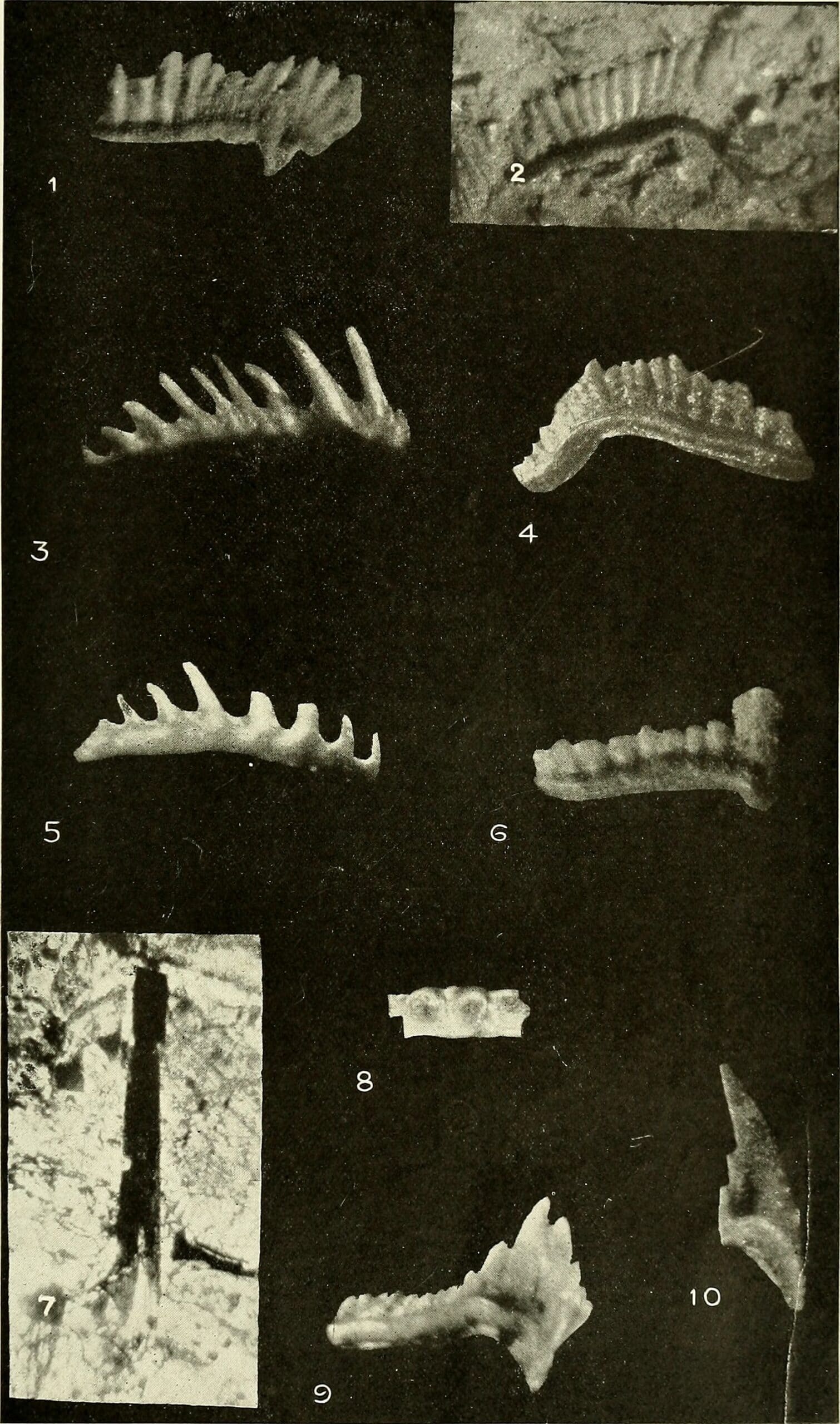
Vishwa Jit Gupta began his fraudulent career in the 1960s while pursuing his doctorate at Panjab University. His supervisor, Mulk Raj Sahni, had no idea that his promising student was already fabricating discoveries. Gupta’s doctoral thesis, titled “Palaeontology, Stratigraphy and Structure of the Palaeozoic Rocks,” contained plagiarized fossil images directly clipped from early 20th-century monographs by Frederick Richard Cowper Reed.
The scope of Gupta’s deception was breathtaking. He created fictional research sites across the Himalayas without ever visiting them. When questioned about specific locations, he cleverly claimed that Indian security laws prevented him from sharing detailed maps with foreign scientists. This excuse worked for years, allowing him to continue his charade unchallenged.
Gupta’s methods were surprisingly crude yet effective. He purchased Moroccan fossils from Alain Carion’s shop on Île Saint-Louis in Paris. These ancient specimens, originally from sites near Erfoud, Morocco, suddenly became “Himalayan discoveries” in his publications. Scientific misconduct rarely reaches such elaborate proportions, making Gupta’s case particularly notorious among researchers studying academic fraud.
Death Threats and Violence Surrounding the Himalayan Fossil Hoax Exposure
For more strange history, see: Tailings Dam Failure: A Century of Environmental Disasters and Mining Industry Negligence
When John Talent began investigating Gupta’s work, he uncovered more than just scientific fraud. The case took a dark turn involving death threats, violence, and mysterious accidents. Talent later revealed that he received multiple death threats after questioning Gupta’s research. The Australian geologist’s persistence in exposing the truth came at a personal cost that few scientists would be willing to pay.
The most disturbing aspect involves the fate of those who threatened to expose Gupta. A technical assistant at Panjab University who possessed damaging information about the fraud died in a suspicious hit-and-run accident the night after making his intentions known. The timing was too convenient to be coincidental, casting an ominous shadow over the entire affair.
Gupta allegedly offered money to have his critics physically assaulted. The mother of one co-author became the victim of another hit-and-run accident, suffering broken legs, arms, and ribs. These incidents transformed what should have been an academic dispute into something resembling a criminal conspiracy. The violence surrounding the case suggests that Gupta was desperate to protect his fraudulent empire at any cost.
The Dramatic Confrontation That Exposed the Himalayan Fossil Hoax
The climactic moment came at the 1987 International Symposium on the Devonian System in Calgary, Canada. Talent had prepared meticulously for this confrontation, gathering irrefutable evidence of Gupta’s deception. In front of hundreds of paleontologists, he displayed fossils that were identical to specimens Gupta claimed to have found in the Himalayas. The only problem was that Talent’s fossils came from Morocco.
The tension in the conference room was palpable as Talent methodically dismantled Gupta’s reputation. One scientist pointed directly at Gupta, who was sitting in the front row, and demanded an explanation for finding identical fossils in locations 600 kilometers apart. The confrontation became heated when an infuriated Gupta stormed out of the room, only to return moments later with clenched fists, attempting to physically attack Talent.
This dramatic scene marked the beginning of the end for Gupta’s fraudulent career. The scientific community watched in stunned silence as decades of respected research crumbled before their eyes. Nature magazine’s coverage of the scandal brought international attention to what many considered the greatest paleontological fraud in history.
The Aftermath and Legacy of Scientific Deception
The exposure of Gupta’s fraud had far-reaching consequences for the scientific community. The University Grants Commission of India immediately withdrew all funding from his research projects. Panjab University suspended him for 11 months but controversially allowed him to continue working until his retirement in 2002. This lenient treatment sparked outrage among international researchers who felt justice had not been served.
The case became a watershed moment for scientific integrity. Universities worldwide began implementing stricter oversight procedures for research publications. The phrase “peripatetic fossils” entered scientific vocabulary as a warning about the dangers of unchecked academic ambition. Down to Earth magazine called it “the greatest scientific fraud of the century,” while Talent himself declared it “the biggest paleontological fraud of all time.”
Gupta’s deception had corrupted an entire field of study. Textbooks had to be rewritten, research projects abandoned, and graduate students redirected to new topics. The damage extended beyond mere academic inconvenience – it represented a fundamental betrayal of scientific trust that took years to repair.
The Himalayan Fossil Hoax serves as a chilling reminder that even the most respected institutions can fall victim to elaborate deception. Gupta’s death on December 31, 2022, closed the final chapter on one of science’s most notorious fraudsters, but his legacy continues to influence how researchers approach peer review and verification processes today.
Related Posts
 Blue Star Tattoo Legend: The LSD Scare That Terrified Parents for Decades
 Japanese Paleolithic Hoax: The Divine Hand That Fooled a Nation for Decades
 Calaveras Skull: The Archaeological Hoax That Fooled Harvard Scientists
 Prillwitz Idols: The Bronze Forgeries That Fooled European Nobility for Decades