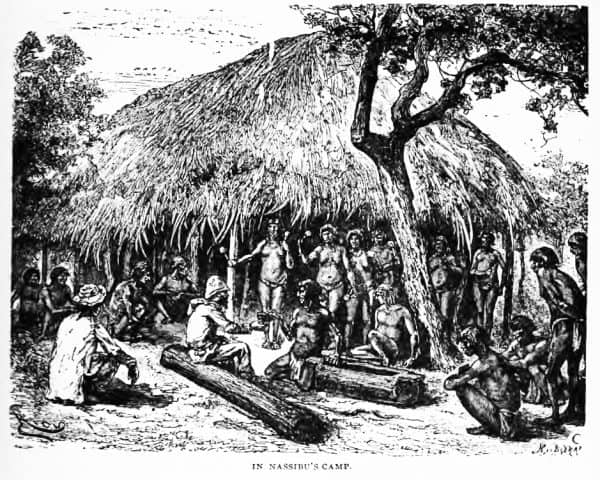
The Jameson Affair remains one of the most disturbing scandals to emerge from Victorian-era Africa. In 1888, James Sligo Jameson, a wealthy Scottish naturalist and heir to the Jameson whiskey fortune, allegedly paid associates of the notorious slave trader Tippu Tip to procure a young slave girl. What happened next would haunt the expedition and shock society back home. The girl was brutally murdered, dismembered, and cooked while Jameson watched and sketched the horrific scene.
This wasn’t just another tale of colonial excess. The incident occurred during Henry Morton Stanley’s Emin Pasha Relief Expedition deep in the Congo Basin. Jameson had paid £1,000 to join the mission as a naturalist. But his scientific pursuits would take a dark turn at a remote trading post called Riba Riba. Two fellow expedition members would later accuse him of deliberately orchestrating the murder to satisfy his morbid curiosity about cannibalism.
The scandal would explode across newspaper headlines years later. Victorian society was horrified by the graphic details. A wealthy gentleman had supposedly paid to witness the ultimate taboo. The accusations would follow Jameson to his grave and beyond.
The Dark Transaction at Riba Riba
On May 11, 1888, Jameson found himself at the remote Congo trading post of Riba Riba. The expedition had split up, leaving him with a small group including Assad Farran, a Syrian interpreter who would later become the key witness to the Jameson Affair. Local associates of Tippu Tip approached with an offer that would change everything.
According to Farran’s testimony, the men claimed they could show Jameson how cannibals prepared their victims. Jameson allegedly responded with interest and asked about the price. Six handkerchiefs were agreed upon as payment. The men departed and returned with a ten-year-old slave girl they had purchased from a nearby village.
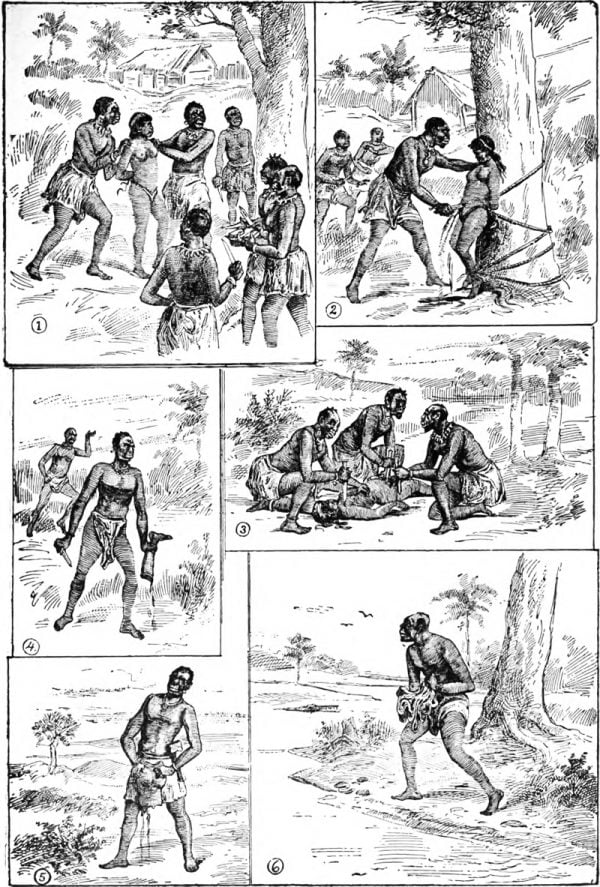
What followed was a scene of unimaginable horror. The girl was tied to a tree and stabbed to death with knives. Her body was then dismembered, cooked in a pot, and consumed by the assembled group. Throughout this nightmare, Jameson allegedly sat calmly making sketches of each stage of the process. He later finished the drawings in watercolors back at his tent.
Farran’s account describes Jameson as showing no emotion during the killing. The naturalist treated it like a scientific observation. He documented the preparation methods and cooking techniques with the same detachment he might show when cataloguing a new bird species.
Jameson’s Defense and the Jameson Affair Controversy
Related article: Urban Riot: The Explosive History of Civil Unrest in America’s Cities
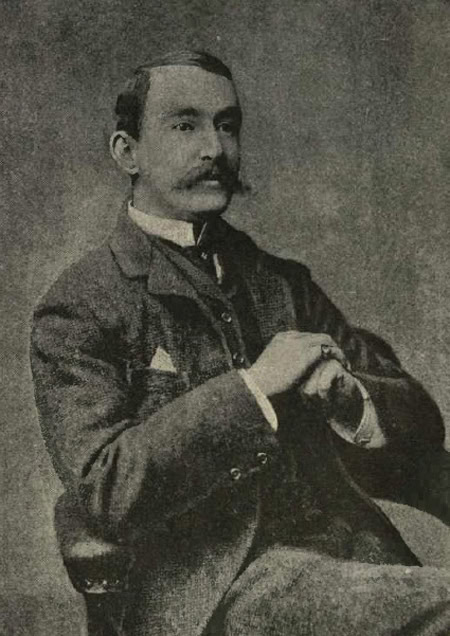
When confronted about the incident, Jameson claimed it was all a misunderstanding. In his diary, he admitted to paying the handkerchiefs and witnessing the event. But he insisted he thought the whole thing was “a joke” and never expected anyone to actually be killed. This defense seemed weak given the evidence.
Fellow expedition members weren’t convinced by Jameson’s explanation. His diary entries revealed extensive knowledge of cannibal customs and practices. He had clearly researched the subject before the expedition. The idea that he was surprised by the outcome seemed implausible to those who knew him.
The controversy might have died with Jameson, who succumbed to fever just months later on his 32nd birthday. But Assad Farran had other plans. Initially, he kept quiet about what he’d witnessed. Expedition leaders pressured him to sign a statement denying the story. The relief committee wanted to avoid scandal at all costs.
However, Farran’s conscience wouldn’t let him stay silent forever. In 1890, he published a detailed affidavit describing the entire horrific incident. The story exploded across international newspapers. Victorian society was shocked by the graphic details of the wealthy naturalist’s alleged crime.
Strange Evidence and Suspicious Testimonies
The Jameson Affair became even more mysterious as contradictory evidence emerged. Jameson’s widow published what she claimed was her husband’s deathbed letter. In it, he provided a different version of events. But many suspected the letter was fake, written by friends trying to protect his reputation.
The letter contained incriminating details that seemed to confirm parts of Farran’s story. It mentioned the six handkerchiefs used as payment. This detail hadn’t been made public when the letter was supposedly written. How could Jameson have known to include it unless he was actually involved?
Assad Farran’s testimony also changed over time, adding to the mystery. He initially accused Jameson, then retracted his story in September 1888 under pressure from expedition leaders. Later, he reaffirmed his accusations with even more graphic details. Critics suggested he was opportunistic, telling people what they wanted to hear.
But there were other disturbing elements to Jameson’s behavior in Africa. After an attack by slavers, locals presented him with a villager’s severed head. Instead of being horrified, Jameson salted the head to preserve it. He shipped it back to London to be “dressed and mounted” by a taxidermist. The preserved head later decorated his home, suggesting a man comfortable with human remains. Jameson’s personal papers and expedition materials remain archived at Oxford’s Pitt Rivers Museum.
Legacy of Horror and Scientific Disgrace
The scandal surrounding Jameson extended far beyond his death. His story may have inspired Joseph Conrad’s character Kurtz in “Heart of Darkness.” The novella’s themes of colonial corruption and moral decay seemed to echo the real-life horrors of the Congo expeditions.
Modern ornithologists have called for renaming the bird species named after Jameson. Three African birds still bear his name: Jameson’s antpecker, Jameson’s firefinch, and Jameson’s wattle-eye. The American Ornithological Society announced in 2023 that problematic names would be changed. Historical documents from the period continue to surface, adding new details to the story.
Recent academic research has placed the incident within broader contexts of colonial violence and European obsessions with cannibalism narratives. The story went viral again in 2021 when historical accounts resurfaced on social media. A film adaptation was even released in 2025, described as “dark, unforgiving and chillingly voyeuristic.”
The Jameson Affair remains one of history’s most disturbing examples of colonial-era atrocities. Whether Jameson was a calculating monster or a naive fool caught up in events beyond his control may never be known. But the image of a wealthy Victorian gentleman calmly sketching a child’s murder continues to haunt our understanding of that dark period. The scandal serves as a reminder that even the most civilized veneer can hide unspeakable horrors beneath.