
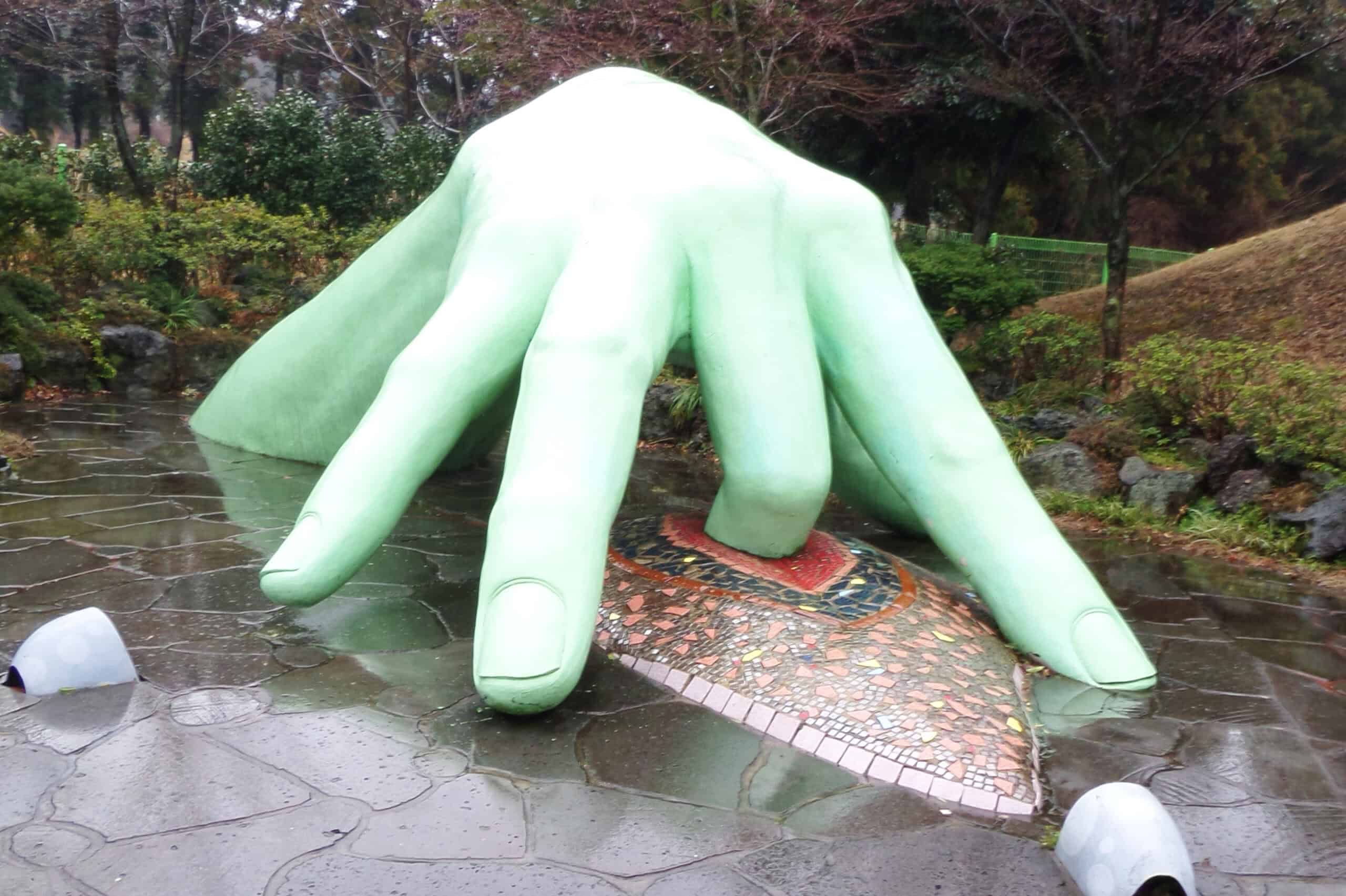
Jeju Loveland stands as one of the world’s most shocking outdoor sculpture parks. This bizarre attraction opened in 2004 on South Korea’s Jeju Island. The park features 140 explicit sculptures depicting humans in various sexual positions. What makes this place truly strange isn’t just its content. It’s how this controversial park became a twisted symbol of South Korea’s sexual awakening.
The park emerged from an even stranger cultural phenomenon. During the 1970s, Jeju Island became the honeymoon capital for Korean newlyweds. Cold War restrictions prevented overseas travel. Young couples flocked to this volcanic island instead. Many had never met before their wedding day due to arranged marriages. Hotel staff noticed these awkward newlyweds needed help breaking the ice.
According to reports from the late 1980s, some hotels employed “professional icebreakers.” These staff members performed evening entertainment programs featuring erotic elements. Their job was helping nervous couples relax on their first nights together. The island developed a reputation as a center for sex education. This bizarre tradition laid the groundwork for what would become one of Asia’s most controversial tourist destinations.
The Creation of Jeju Loveland’s Shocking Sculptures
In 2002, twenty art graduates from Seoul’s prestigious Hongik University began an unusual project. They spent two years crafting concrete sculptures depicting explicit erotic themes. These weren’t subtle artistic interpretations. The sculptures showed graphic sexual acts in vivid detail. Some featured oversized phallus statues towering above visitors. Others displayed stone labia and interactive exhibits.
The most disturbing element was the “masturbation-cycle.” This hands-on exhibit allowed visitors to engage with the artwork directly. The park’s creators described their vision as “a place where love oriented art and eroticism meet.” Critics saw something far more sinister. The sculptures weren’t just explicit. They were designed to shock and provoke reactions from conservative Korean society.
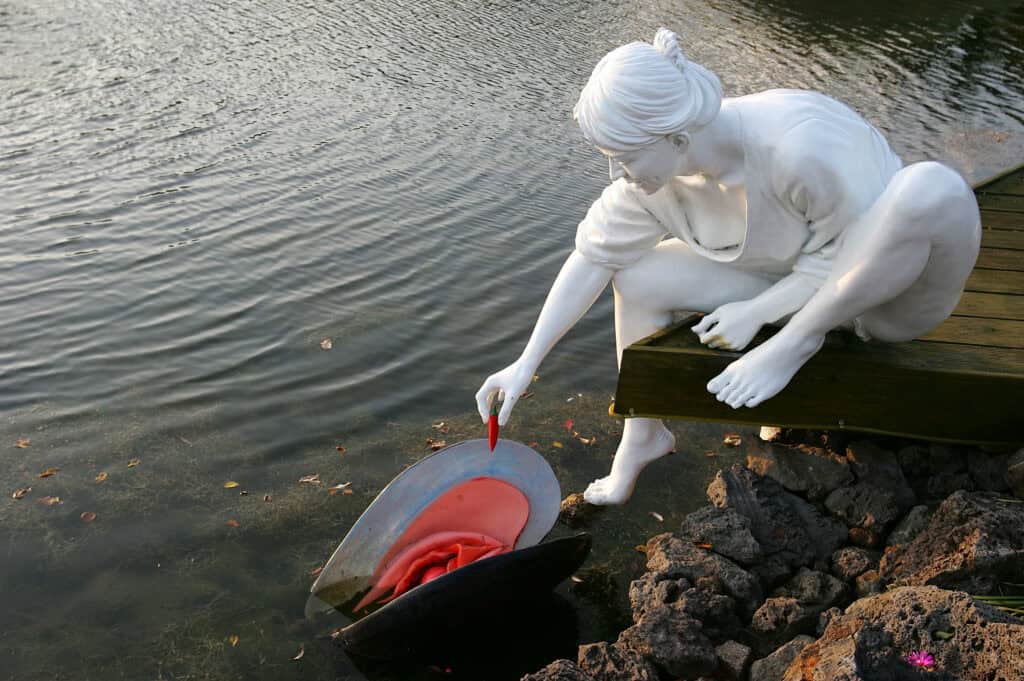
When Jeju Loveland opened on November 16, 2004, it covered an area the size of two soccer fields. Visitors could view all sculptures in approximately one hour. The park required visitors to be at least 18 years old. A separate anime-themed play area kept children occupied while adults explored the controversial exhibits.
Dark Controversies Surrounding Jeju Loveland
For more strange history, see: Blown Off Course: How Unexpected Winds Changed History’s Greatest Voyages
By 2018, serious concerns emerged about some exhibitions at Jeju Loveland. Critics discovered sculptures depicting obvious sexual crimes disguised as “erotic imaginations.” These included scenes of looking under women’s skirts and peeping at girls in toilets. Such depictions were particularly troubling in South Korea. The country had strict laws against molka (hidden camera voyeurism).
The controversy deepened when investigators realized these exhibits might encourage criminal behavior. South Korea was already battling a massive problem with illegal voyeurism. Hidden cameras in public bathrooms and changing rooms had become epidemic. Critics argued that normalizing such behavior through art was dangerous and irresponsible.
In 2019, the Jeju Women and Family Research Institute launched an official investigation. They examined Jeju Loveland as an example of sexual discrimination in the tourism industry. The institute aimed to remove sexual discrimination content from tourist attractions. This investigation marked a turning point for the controversial park. Public pressure mounted for significant changes to the most problematic exhibits.
The Mysterious Closure and Renovation
Something strange happened to Jeju Loveland in 2021. The park suddenly announced a temporary closure for renovation. No specific details were provided about what changes would be made. The closure lasted nearly two years. Visitors who arrived during this period found locked gates and no explanation.
The mystery deepened when conflicting reports emerged about the reopening date. Some sources claimed it would reopen in March 2023. Others suggested May 2023. The extended closure fueled speculation about the renovation’s true purpose. Had authorities forced changes to the most controversial exhibits? Were the problematic sculptures being removed entirely?
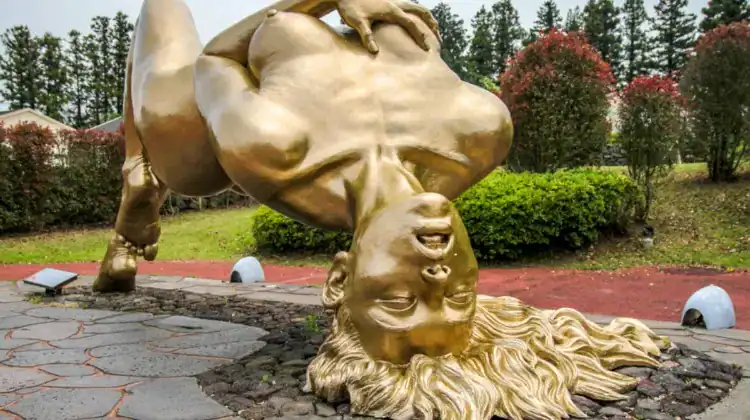
When the park finally reopened in May 2023, visitors noticed significant changes. Some of the most explicit sculptures had been modified or relocated. The interactive elements that drew the harshest criticism were notably absent. However, the park maintained its adult-only policy and controversial reputation. Recent visitor reviews described it as “fully refurbished” with “stunning gardens.”
The transformation of Jeju Loveland reflects broader changes in South Korean society. What began as a bizarre experiment in sexual liberation became a lightning rod for debates about gender equality and sexual exploitation. The park’s evolution mirrors the country’s ongoing struggle to balance traditional values with modern sexual attitudes.
Today, Jeju Loveland remains one of the world’s strangest tourist attractions. Its 140 sculptures continue to shock and provoke visitors from around the globe. Whether viewed as artistic expression or cultural controversy, this bizarre park has secured its place in the annals of unusual destinations. The story of Jeju Loveland serves as a reminder that sometimes the most shocking places reveal the deepest truths about society’s hidden desires and fears.
Related Posts
 Japanese Paleolithic Hoax: The Divine Hand That Fooled a Nation for Decades
 Etruscan Terracotta Warriors: The Metropolitan Museum’s Greatest Art Forgery Scandal
 Prillwitz Idols: The Bronze Forgeries That Fooled European Nobility for Decades
 The Adventure of the German Student: Washington Irving’s Chilling Tale of Revolutionary Terror and Supernatural Horror