The Lenape Stone emerged from a Pennsylvania farm in 1872, carrying with it one of archaeology’s most perplexing mysteries. This small slate artifact appeared to show something impossible: Native Americans hunting woolly mammoths. The discovery would ignite a fierce debate that continues to haunt the archaeological community today.
Bernard Hansell, a farmer in Mechanicsville, Bucks County, made the first discovery during spring plowing. The broken piece of slate seemed ordinary at first glance. But closer examination revealed intricate carvings that defied explanation. Nine years later, Hansell conveniently found the second piece in the same field. When joined together, the two fragments told an extraordinary story.
The timing seemed suspicious to many experts. How could both pieces surface years apart from the same location? The circumstances surrounding the discovery raised immediate red flags. Yet the artifact’s detailed engravings were undeniably sophisticated and mysterious.
The Lenape Stone’s Impossible Depictions
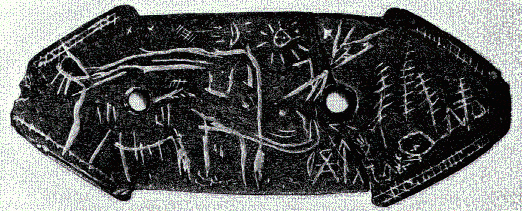
The small slate gorget measures just over four inches long and less than two inches wide. Two carefully drilled holes suggest it was worn as a necklace. But the carvings themselves sparked the real controversy. One side depicts various animals: turtles, fish, birds, and snakes in intricate detail.
The reverse side shows something far more troubling. An elephant-like creature dominates the scene, clearly resembling a woolly mammoth. Human figures surround the beast, apparently hunting it with bows and arrows. One figure appears trampled beneath the massive animal. Forest scenes and teepees complete the mysterious tableau.
The problem? Mammoths vanished from North America around 10,000 years ago. Most gorgets found in archaeological digs date to less than 2,000 years old. The timeline simply doesn’t work. How could ancient Native Americans carve images of creatures they’d never seen?
Henry Chapman Mercer, a respected archaeologist, became the artifact’s most passionate defender. He spent considerable time and money investigating the stone’s authenticity. His 1885 book, “The Lenape Stone, or the Indian and the Mammoth,” laid out his case in exhaustive detail.
Strange Evidence and Suspicious Circumstances
Another fascinating historical case is: Skunk Ape: Florida’s Mysterious Swamp Creature Through History
Mercer’s investigation uncovered both supporting and damning evidence. He compared the carvings to the Walam Olum, believed to be an authentic Lenape origin story. The pictographic style seemed consistent with Native American traditions. Contemporary Native Americans who examined the stone offered mixed opinions.
But troubling details emerged during Mercer’s research. The carvings on each half didn’t align perfectly. This suggested they were made after the stone broke, not before. Multiple cleanings had destroyed crucial evidence of age and weathering. The fracture line ran directly through one of the drilled holes, creating an oddly convenient break.
Other artifacts from the Hansell farm showed similar carving styles. All dated to around 2,000 years ago, far too recent for mammoth encounters. The bow and arrow depicted weren’t used by Paleo-Indian mammoth hunters. Teepees weren’t known among eastern Native American tribes.
Kenneth Feder, a modern archaeologist, examined the evidence decades later. His conclusion was blunt: the Mercer Museum houses “an obvious fake.” The inconsistencies were too numerous to ignore.
The Lenape Stone’s Criminal Adventures
The artifact’s mysterious nature attracted more than scholarly attention. In 1967, thieves stole the stone from the Mercer Museum. For two years, it vanished completely from public view. The theft added another layer of intrigue to an already puzzling story.
Police launched an undercover investigation in Philadelphia. The operation took months to develop leads and track down the stolen artifact. In 1969, authorities finally recovered the stone during a dramatic sting operation. The theft had only deepened the mystery surrounding this controversial piece.
The criminal episode highlighted the stone’s continued fascination for collectors and researchers. Even if fake, the artifact commanded significant attention and value. Its return to the museum ensured continued study and debate.
Herbert C. Kraft, a leading Lenape scholar, joined the chorus of skeptics. His research into authentic gorgets revealed crucial differences. Few genuine examples bore figurative carvings. The Lenape Stone’s elaborate scenes were highly unusual for the period and culture.
Copycat Discoveries and Lasting Questions
Bernard Hansell’s story grew even stranger after the initial discovery. In 1885, while Mercer was writing his book, Hansell claimed to find three more similar stones. The timing seemed remarkably convenient. These additional artifacts shared the same suspicious characteristics as the original.
The copycat discoveries strengthened arguments against authenticity. Critics argued that Hansell was manufacturing artifacts for profit. The market for Native American relics was booming in the late 1800s. Fake artifacts could bring substantial sums from eager collectors.
Modern technology could potentially solve the mystery through advanced dating techniques. However, the stone’s multiple cleanings destroyed much of the evidence needed for accurate analysis. The truth may remain forever hidden beneath layers of controversy and conflicting evidence.
The Lenape Stone continues to reside at the Mercer Museum in Doylestown, Pennsylvania. Visitors can examine the artifact and draw their own conclusions. Some see an authentic glimpse into ancient Native American life. Others view it as an elaborate 19th-century hoax.
The debate surrounding this small piece of slate reflects larger questions about archaeological evidence and historical truth. Whether genuine or fake, the Lenape Stone has secured its place in the annals of American archaeological mysteries. Its carved images continue to puzzle experts and fascinate visitors more than 150 years after its discovery.