
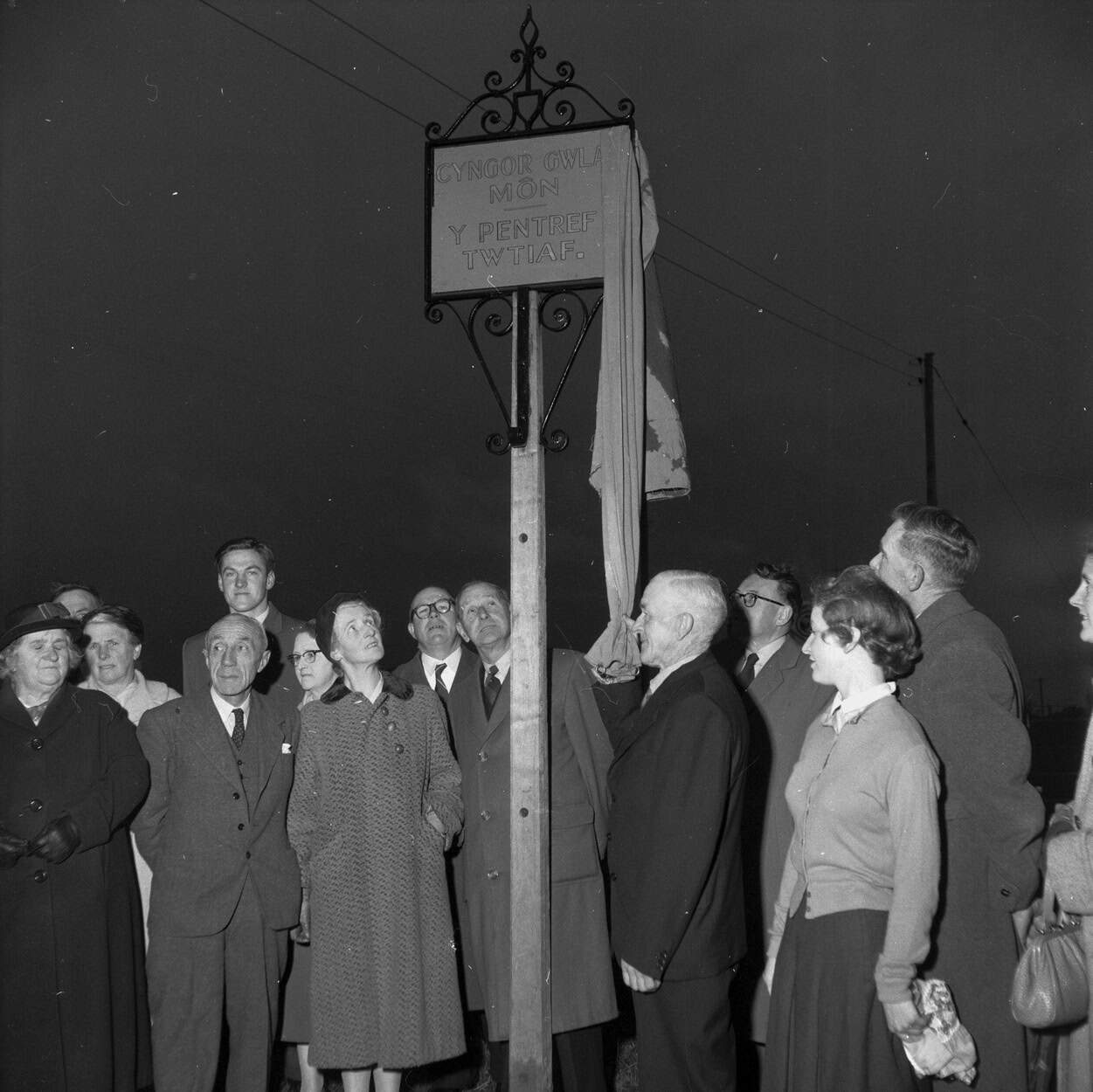
Llangaffo sits quietly in the Welsh countryside of Anglesey, but this small village harbors mysteries that stretch back thousands of years. With only 357 residents, this unassuming settlement has become the epicenter of strange phenomena. Ancient ritual sites lie buried beneath railway embankments. Prehistoric art hints at forgotten ceremonies. Most recently, the earth itself has begun to shake beneath the village in ways that puzzle scientists.
The village’s name comes from Saint Caffo, a 6th-century holy man. But long before Christian saints walked these lands, something far older and more mysterious was happening here. Archaeological evidence suggests that Llangaffo was a place of power and ritual for prehistoric peoples. They carved strange symbols into stone and performed ceremonies we can barely understand today.
The Lost Sacred Well of Llangaffo and Its Dark Rituals
Hidden beneath a Victorian railway embankment lies one of Wales’ most mysterious lost sites. Crochan Caffo well once bubbled up from the earth near the village center. But this wasn’t just any ordinary well. Historical records from 1810 reveal disturbing ritual practices that took place here for centuries.
Local people brought live roosters to the well as offerings. They believed these blood sacrifices could cure sick children and calm crying infants. The village priest had to eat the sacrificed birds for the ritual to work. If he refused the grisly meal, the magic would fail. These practices continued well into the Christian era, blending pagan beliefs with newer religious customs.
The well disappeared forever in the 1840s when railway workers built a massive embankment over the site. They buried the sacred spring under tons of earth and stone. Some say the Chester and Holyhead Railway destroyed more than just a well. They obliterated a connection to the ancient world that had existed for thousands of years.
Local legends claim that strange things happened after the well vanished. Crops failed in nearby fields. Animals refused to graze in certain spots. Some villagers reported hearing the sound of running water coming from beneath the railway tracks on quiet nights.
Prehistoric Art and Ritual Mysteries in Llangaffo
For more strange history, see: Biblical Conspiracy Theory: The Hidden Truth About Sacred Texts and Secret Societies
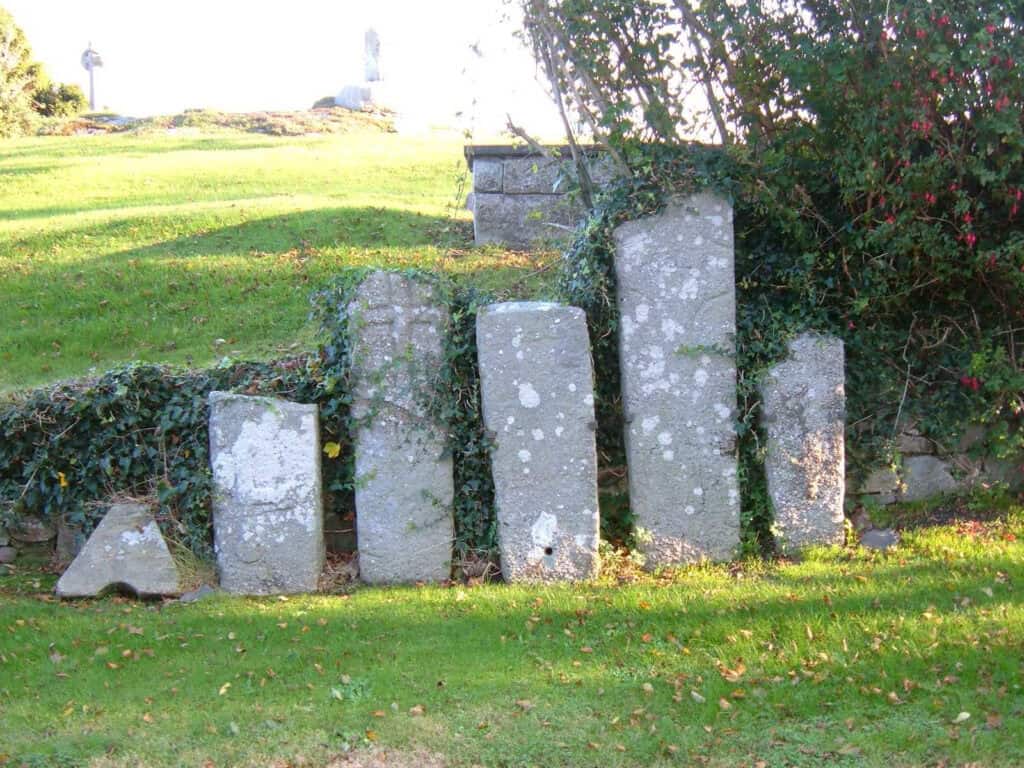
In 2013, archaeologists made a startling discovery that changed how we see this quiet village. They found the Crochan Caffo Stone, carved with mysterious concentric circles. These weren’t random scratches made by bored farmers. The engravings showed clear evidence of ritual significance dating back 4,000 years.
The stone circles weren’t just decorative. They likely marked sacred spaces where prehistoric people gathered for ceremonies we can’t fully understand. The original church was built directly over a large rock outcrop. This same rocky hill was probably used as a ritual site during the Late Neolithic and early Bronze Age periods.
What kind of rituals took place here? The evidence suggests they involved more than simple prayers or offerings. The careful positioning of the church over the ancient site wasn’t accidental. Early Christians often built their holy places on top of pagan sacred spots. They wanted to claim the spiritual power for themselves.
The discovery raises troubling questions about what lies buried beneath modern Llangaffo. How many more ritual stones remain hidden under houses and gardens? What other prehistoric secrets does the village keep? Archaeologists describe finding “an exceptional number of inscribed fragments” around the church. This suggests the site was incredibly important to ancient peoples.
The Llangaffo Earthquake Epicenter Mystery
On September 2, 2024, something unprecedented happened. The quiet village became the epicenter of an earthquake that shook northwestern Wales. The British Geological Survey recorded the tremor at magnitude 1.3, originating just 1.3 kilometers beneath the surface.
One household in nearby Niwbwrch reported feeling “a slight shaking and a faint rumbling.” While small, this earthquake marked the beginning of increased seismic activity in the region. Northwestern Wales has experienced multiple earth movements throughout 2024, with Llangaffo at the center of several incidents.
Scientists can’t fully explain why this particular area has become so geologically active. The region isn’t known for major fault lines or volcanic activity. Some researchers wonder if human activity might be triggering the tremors. Others point to deeper geological processes that we don’t yet understand.
The timing seems eerily coincidental. For thousands of years, people treated this land as sacred and powerful. They built ritual sites and performed ceremonies here. Now the earth itself is moving in ways that modern science struggles to explain. British Geological Survey monitoring stations continue to record unusual activity in the area.
Local residents report other strange phenomena alongside the earthquakes. Some claim to hear unexplained sounds coming from underground. Others notice that animals behave differently in certain parts of the village. Whether these reports have any connection to the seismic activity remains unclear.
Hidden Treasures and Modern Mysteries
The village’s mysterious nature extends beyond ancient rituals and recent earthquakes. In 1829, workers discovered two gold coins of Emperor Constantine in excellent condition near the church. They also found several silver and copper coins from various Roman emperors scattered throughout the parish.
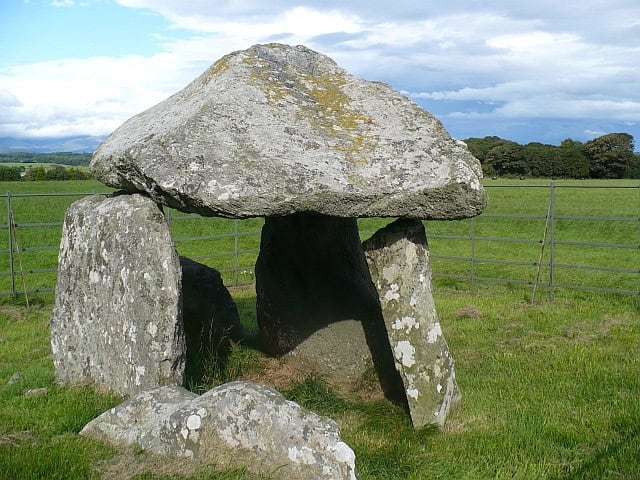
These discoveries suggest that Llangaffo was more important during Roman times than historians previously believed. The coins weren’t just random losses by traveling merchants. Their concentration around the church site indicates this was a place of significance even during the Roman occupation of Britain.
The village briefly gained “ghost town” status before 2023, when its population had dwindled to almost nothing. Empty houses stood like silent sentinels along the quiet roads. But the community has since revived, perhaps drawn by the area’s growing reputation for unexplained phenomena.
Today, visitors can explore the Tacla Taid Transport Museum, which houses over 60 classic vehicles in a replica 1940s setting. The museum provides a stark contrast to the village’s ancient mysteries. Modern cars and motorcycles sit just miles away from prehistoric ritual sites and earthquake epicenters.
The juxtaposition seems fitting for a place where past and present collide in unexpected ways. Llangaffo continues to guard its secrets while new mysteries emerge from beneath the Welsh countryside. Whether the recent seismic activity will reveal more about the village’s hidden past remains to be seen.
Related Posts
 Longyou Caves: China’s 2,000-Year-Old Underground Mystery That Defies Explanation
 Phaistos Disc: The Mysterious Clay Artifact That Defies All Attempts at Translation
 Biblical Conspiracy Theory: The Hidden Truth About Sacred Texts and Secret Societies
 Nightmarchers: Hawaii’s Terrifying Ghost Warriors That Still March Tonight