

Petscop emerged in 2017 as one of YouTube’s most chilling mysteries. This supposed “lost” PlayStation game captivated viewers with its eerie blend of childhood innocence and horrifying implications. What began as simple Let’s Play videos soon revealed a deeply disturbing narrative about child abuse, mysterious disappearances, and psychological manipulation that left audiences questioning what was real.
Creator Tony Domenico crafted something unprecedented. He presented Petscop as authentic gameplay footage of an unreleased 1997 PlayStation title. The deception was so convincing that viewers spent years analyzing every frame. They searched for clues about the game’s origins and meaning. The series ran for 24 episodes across two and a half years, building an obsessive fanbase that treated it like an archaeological dig into digital horror.
The Petscop Game’s Sinister Mechanics
The fictional game initially appeared innocent enough. Players controlled a green creature called “Guardian” through colorful puzzle rooms. The objective seemed simple: capture strange creatures called “pets” by solving basic challenges. But this cheerful facade quickly crumbled when protagonist Paul discovered a hidden code.
Following cryptic instructions, Paul accessed the “Newmaker Plane.” This dark underground world transformed the experience entirely. Gone were bright colors and simple puzzles. Instead, players found themselves in pitch-black fields illuminated only by a moving spotlight. The atmosphere became oppressive and threatening.
Strange characters populated this shadow realm. Red Tool, a mysterious entity, responded to questions with unsettling non-answers. Other colored “tools” appeared throughout the series, each more disturbing than the last. These weren’t typical video game NPCs. They felt like digital ghosts carrying terrible secrets.
The game’s mechanics grew increasingly bizarre. Players had to “rebirth” characters through disturbing rituals. Care, a young girl character, could be transformed through processes that mirrored real-world child abuse techniques. These sequences were deeply uncomfortable to watch, even in pixelated form.
Real Horror Behind the Petscop Fiction
For more strange history, see: The Strange Tale of Mister Mosquito: Japan’s Most Bizarre Video Game Phenomenon
The series’ most disturbing element was its connection to actual tragedy. Domenico based key plot points on the death of Candace Newmaker, a 10-year-old girl killed during “rebirthing therapy” in 2000. This controversial treatment claimed to help adopted children bond with new families by simulating birth experiences.
Candace died when therapists wrapped her in blankets and applied pressure for over an hour. The session was recorded, capturing her pleas for help as adults called her a “quitter” for struggling. The Candace Newmaker case shocked the nation and led to stricter regulations on alternative therapies.
Petscop referenced this tragedy repeatedly. The “Quitter’s Room” directly echoed the therapists’ cruel words. Character names like “Newmaker” weren’t coincidental. The game’s obsession with “rebirthing” Care mirrored the fatal therapy session. These weren’t subtle nods but deliberate parallels to real suffering.
Domenico later admitted these references were “extremely stupid.” He expressed regret about incorporating actual tragedy into fictional horror. The creator acknowledged that using Candace’s story was inappropriate, even if meant to explore themes of childhood trauma and rebirth.
The Mystery That Consumed the Internet
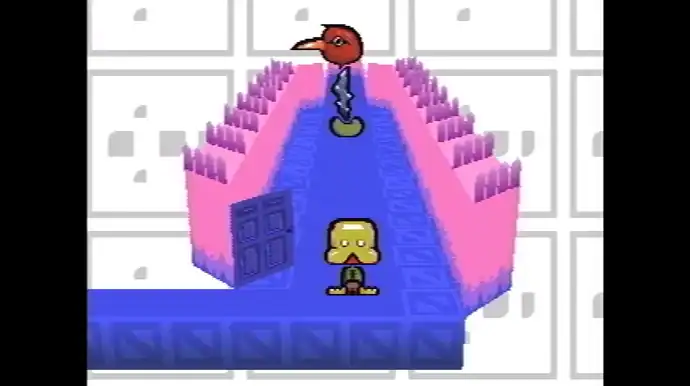
For over two years, nobody knew Petscop was fiction. Viewers treated it as an authentic archaeological discovery. Online communities formed dedicated to solving its mysteries. Fans created elaborate theories connecting gameplay footage to real locations and people.
The Game Detectives community led investigation efforts. Members analyzed audio files for hidden messages. They studied background details for clues about the game’s origins. Some even traveled to locations they believed matched in-game landmarks. The dedication was extraordinary and slightly obsessive.
Reddit forums exploded with theories about Paul’s identity. Was he related to the missing children mentioned in the game? Did he have connections to the mysterious Marvin character? Every detail sparked intense debate. Fans created complex family trees linking fictional characters to real people.
The series’ presentation heightened the mystery. Paul’s narration felt genuine and unrehearsed. Technical glitches appeared authentic rather than scripted. The PlayStation-era graphics looked convincingly dated. Everything suggested viewers were watching someone genuinely discover disturbing content rather than experiencing planned fiction.
Digital Ghosts and Lasting Impact
When Domenico finally revealed himself as the creator in 2019, many fans felt betrayed. They’d invested years believing they were solving a real mystery. The revelation that everything was carefully crafted fiction shattered the illusion. Some appreciated the artistry while others felt manipulated.
The series influenced countless imitators attempting to recreate its success. “Found footage” gaming videos became popular on YouTube. Creators tried to capture Petscop’s blend of nostalgia and horror. Most failed because they lacked the original’s patience and subtlety.
Petscop succeeded because it respected its audience’s intelligence. Rather than relying on jump scares, it built dread through implication and atmosphere. The horror came from what viewers imagined rather than what they saw directly. This approach proved far more effective than traditional scary game videos.
The series also demonstrated fiction’s power to create genuine mystery in the digital age. Despite living in an era of instant information, thousands of people believed they were witnessing something authentically unexplained. Academic analyses have examined how the series exploited viewers’ desire to solve puzzles and uncover hidden truths.
Petscop remains a masterpiece of digital horror storytelling. It proved that effective scary content doesn’t require big budgets or complex effects. Sometimes the most frightening stories are those that feel uncomfortably real, even when they’re completely fabricated. The series continues influencing creators who understand that the best horror lives in the spaces between reality and fiction.
Related Posts
 Siren Head: The Terrifying Digital Legend That Stalks Modern Folklore
 Killswitch: The Documentary That Exposed Digital Surveillance’s Dark Secrets
 January 2026 Solar Storm: The Celestial Event That Defied Scientific Predictions
 2025 Pn7 Quasi Moon: Earth’s Mysterious Shadow Companion That Shouldn’t Exist