
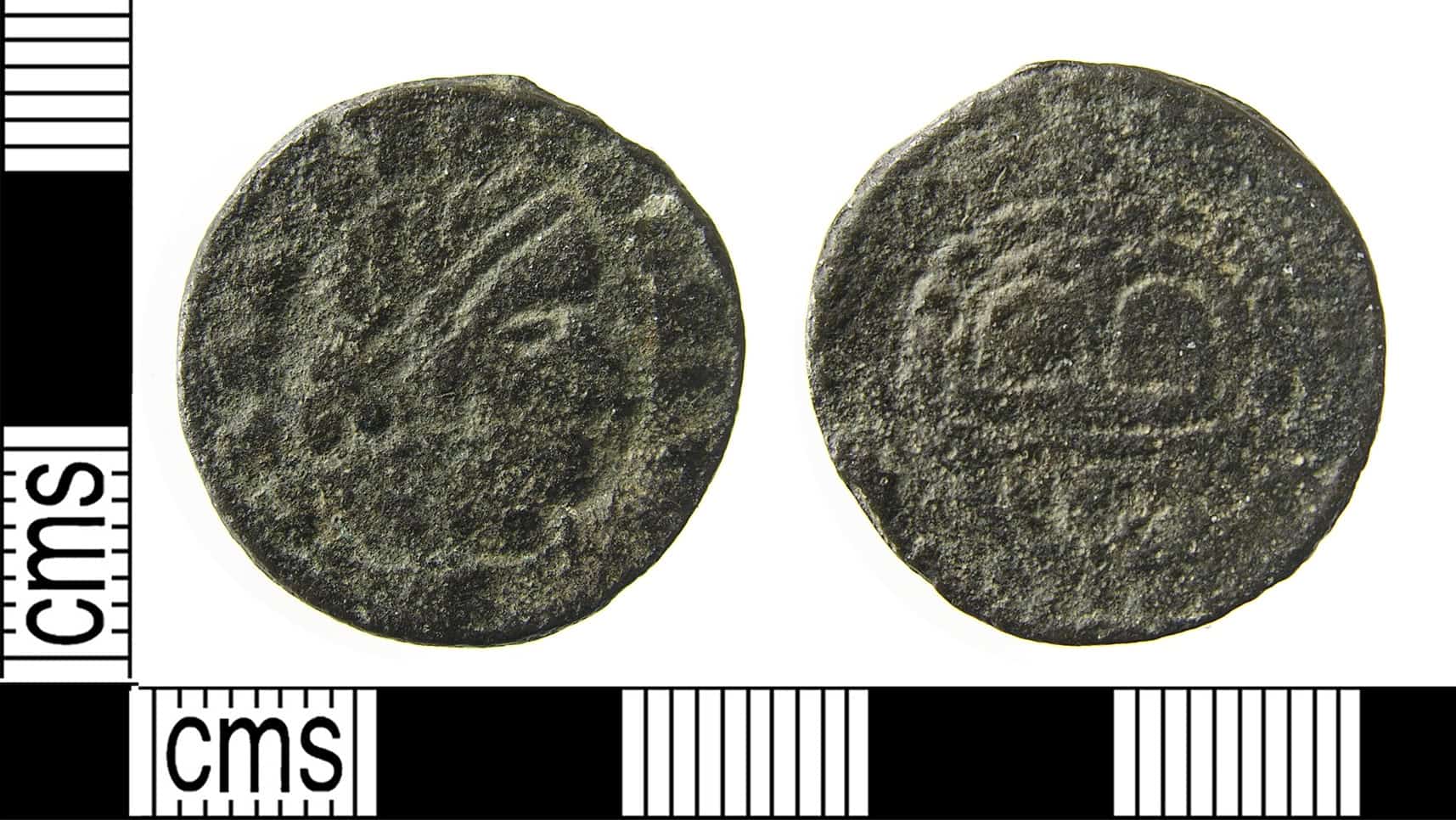
The Shadwell Forgeries began as a desperate scheme by two illiterate mudlarks in Victorian London. Between 1857 and 1870, William “Billy” Smith and Charles “Charley” Eaton manufactured thousands of fake medieval artifacts. Their crude lead medallions and pilgrim badges fooled some of Britain’s most respected antiquarians. The forgeries carried meaningless inscriptions and impossible dates. Yet collectors paid handsomely for these “ancient treasures” supposedly found during construction of London’s Shadwell Dock.
What makes this story truly bizarre is how such obvious fakes deceived educated experts. The items were poorly made with childish faces and garbled text. Smith and Eaton couldn’t even read or write. They lived in squalor, scraping together pennies by searching Thames mudflats at low tide. Yet their amateur forgeries sparked a collecting frenzy that reached the highest levels of Victorian society.
The pair’s background as mudlarks – scavengers who combed riverbanks for anything valuable – gave their story credibility. London’s massive dock construction projects were indeed unearthing genuine medieval artifacts. Smith and Eaton claimed their steady stream of “discoveries” came from these excavations. Their dealer, William Edwards, called them “the most interesting relics I have met with for years.”
The Strange Birth of the Shadwell Forgeries
The forgery operation began when Smith met antique dealer William Edwards around 1844. Edwards became fascinated by the mudlarks’ finds and regularly bought items from them. When genuine artifacts became scarce, Smith and Eaton turned to manufacturing their own. They created plaster of Paris molds and cast objects in lead or pewter. The finished pieces were bathed in acid and coated with river mud to simulate age.
Their most common creations were medallions about 2-4 inches across. These featured crude depictions of crowned kings, armored knights, or religious figures. The inscriptions were complete gibberish – random letters and symbols that meant nothing. Since Smith and Eaton were illiterate, they simply copied shapes they thought looked ancient. Many items carried dates from the 11th to 16th centuries, but used Arabic numerals that didn’t appear in England until the 1400s.
The quality was laughably poor. Edges were poorly defined, faces looked childish and expressionless. Modern experts describe the workmanship as “naïve art” or “outsider art.” Yet somehow these obvious fakes fooled sophisticated collectors who should have known better.
Between 1857 and 1858 alone, the pair sold about 1,100 forgeries to Edwards for £200 – substantial money for two impoverished mudlarks. Edwards then resold them at much higher prices to other dealers and collectors.
How the Shadwell Forgeries Deceived Victorian Experts
Another fascinating historical case is: Valamo Monastery Art Sales Scandal: The Holy Deception That Fooled Finland
George Eastwood, another dealer, made the fake artifacts his principal stock. He advertised them as “A remarkable curious and unique collection of leaden signs or badges of the time of Richard II.” Wealthy collectors eagerly bought them, with some pieces acquired on behalf of the British Museum. Even museum keepers grew suspicious, but the buying frenzy continued.
The forgeries succeeded partly because they appeared during London’s great building boom. Genuine medieval artifacts were being discovered regularly during construction projects. The Shadwell Dock excavations provided perfect cover for Smith and Eaton’s story. Who would question two mudlarks finding ancient treasures in freshly disturbed earth?
The crude workmanship actually helped the deception. Victorian collectors expected medieval artifacts to look rough and primitive. The garbled inscriptions seemed authentically ancient to people unfamiliar with medieval Latin. The impossible dates went unnoticed by buyers caught up in acquisition fever.
Henry Syer Cuming, secretary of the British Archaeological Association, eventually grew suspicious. So did wealthy landowner Thomas Bateman. But their warnings came too late – hundreds of forgeries had already entered private collections and museums.
The Shadwell Forgeries Exposed and Their Creators’ Fate
The scheme unraveled when Charles Reed, a suspicious collector, decided to investigate. He gained the confidence of a scavenger who confirmed Smith and Eaton were selling forgeries. Reed paid the man to break into the forgers’ workshop and steal their molds. These were dramatically presented at a meeting of the Society of Antiquaries as proof of the deception.
The revelation caused a scandal in antiquarian circles. Respected experts had been fooled by two illiterate mudlarks using the most primitive techniques. Some collectors had paid enormous sums for worthless lead trinkets. The Archaeological Journal published detailed exposés of the fraud.
Charley Eaton died of consumption on January 4, 1870, in a squalid room between Cable Street and Wellclose Square. He was only about 36 years old. In his final year, he gave Henry Cuming a badge along with its chalk mold – the only surviving mold from their operation. Billy Smith admitted he’d copied one badge design from a butter mold, then disappeared from historical records entirely.
The pair had produced an estimated 5,000 to 10,000 forgeries during their brief career. Their total earnings were probably around £400 – a fortune for two impoverished mudlarks, but a fraction of what collectors had paid for their crude creations.
The Enduring Mystery and Modern Legacy
Today, the Billy and Charley forgeries are worth more than many genuine medieval artifacts they originally imitated. Museums worldwide display them as examples of Victorian deception. The Auckland War Memorial Museum, Manchester Museum, and others maintain collections of these curious fakes.
Some experts question whether Smith and Eaton acted alone. The scale of their operation seems beyond what two illiterate mudlarks could manage. Someone may have provided designs and guidance, though this remains unproven. Philip Mernick, a modern collector, noted: “They were intelligent but without knowledge… someone must also have given them the designs.”
Strangely, modern fake Billy and Charleys may now be circulating – forgeries of forgeries. The irony would surely amuse the original creators. Their crude lead trinkets have achieved a twisted immortality, fooling new generations of collectors in unexpected ways.
The Shadwell Forgeries remain one of history’s most successful archaeological hoaxes. Two desperate mudlarks with no education or skills managed to deceive Victorian Britain’s cultural elite. Their legacy reminds us that expertise and social status offer no protection against a well-crafted deception – especially when greed and wishful thinking cloud judgment.
Related Posts
 Delhi Purple Sapphire: The Cursed Amethyst That Terrorized Victorian London
 School Shooting Hoax Conspiracy Theories: When False Flags Meet Real Terror
 Japanese Paleolithic Hoax: The Divine Hand That Fooled a Nation for Decades
 Blue Star Tattoo Legend: The LSD Scare That Terrified Parents for Decades