
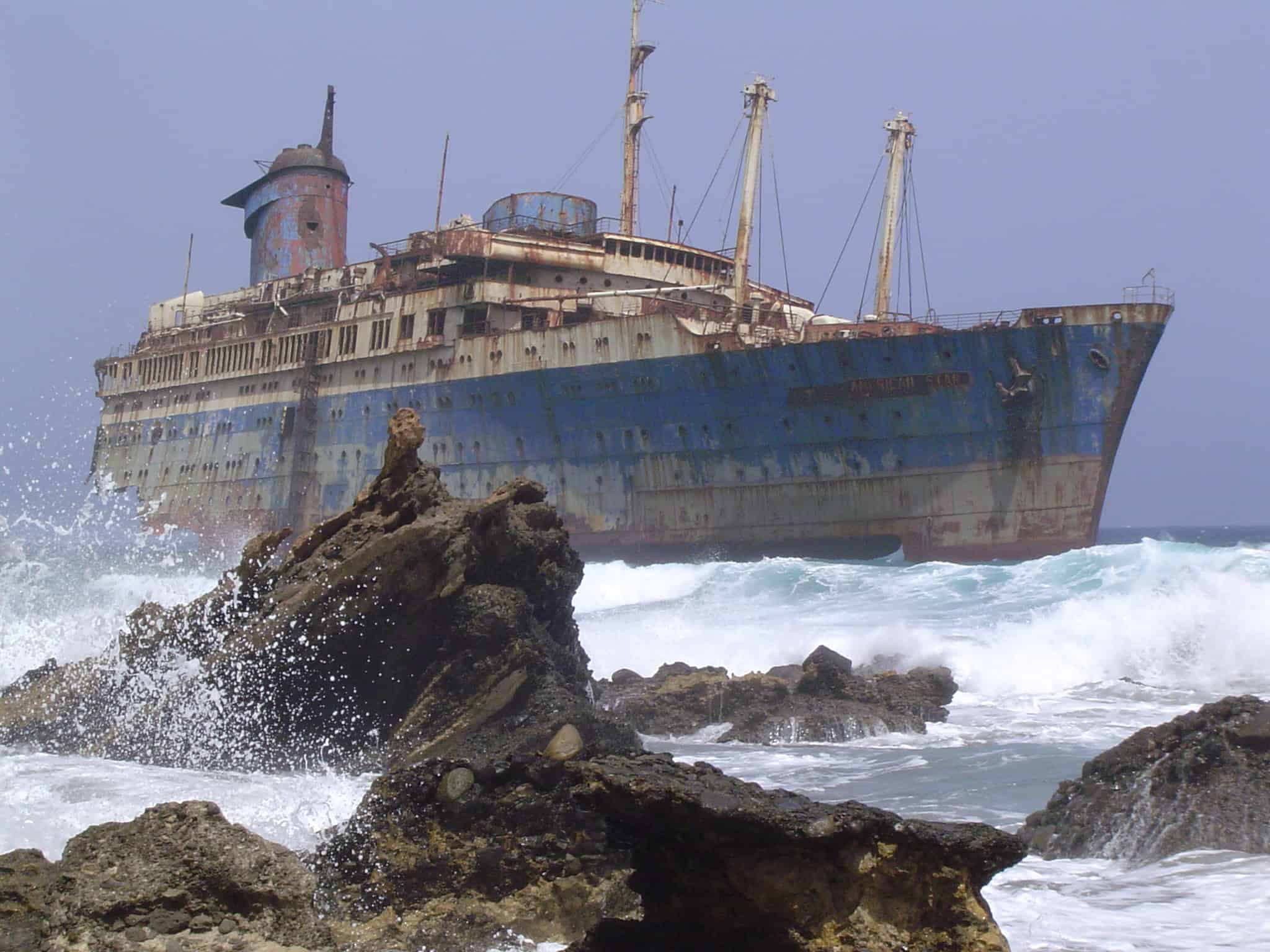
Shipwrecking has claimed countless vessels throughout maritime history, but some wrecked ships refuse to stay buried beneath the waves. These phantom vessels appear to sailors across the world’s oceans, their spectral forms a chilling reminder that not all maritime disasters end with the final plunge to the ocean floor. From the ghostly Flying Dutchman to modern-day sightings of vanished cargo ships, the phenomenon of ghost ships suggests that some shipwrecking events create something far more unsettling than mere debris fields.
The most disturbing aspect of these apparitions isn’t their supernatural nature – it’s how often they’re reported by credible witnesses. Commercial fishermen, naval officers, and experienced mariners have all documented encounters with vessels that shouldn’t exist. These ships appear solid and real until they vanish without explanation, leaving witnesses questioning their sanity.
The Cursed Legacy of Shipwrecking Disasters
The most famous phantom vessel, the Flying Dutchman, supposedly originated from a 17th-century shipwrecking disaster off the Cape of Good Hope. According to maritime folklore, Captain Hendrick van der Decken swore he would round the cape even if it took until doomsday. When his ship was wrecked in a violent storm, his blasphemous oath allegedly condemned him to sail the seas forever.
Sailors have reported sighting the Flying Dutchman for over three centuries. The ship appears as a glowing vessel with tattered sails, often seen during storms near the Cape of Good Hope. In 1881, the future King George V of England documented an encounter with the phantom ship while serving as a midshipman. The crew member who first spotted the vessel reportedly died in a fall from the rigging shortly after the sighting.
More recently, crew members of merchant vessels have reported seeing the ghostly ship near the same waters where the original shipwrecking occurred. These modern sightings follow a disturbing pattern: the phantom vessel appears during rough weather, glows with an unnatural light, and vanishes when approached. Several witnesses claim the ship appears to be sailing against the wind, defying natural laws.
Modern Ghost Ship Mysteries and Unexplained Shipwrecking Events
Another fascinating historical case is: Kechibi: Japan’s Vengeful Ghost Lights That Hunt the Living
Contemporary maritime records contain dozens of unexplained ghost ship sightings that can’t be dismissed as folklore. In 1948, the SS Ourang Medan allegedly sent a distress signal claiming all crew members were dead. When rescue ships arrived, they found the vessel drifting with its entire crew deceased, their faces frozen in expressions of terror. Before investigators could board, the ship reportedly exploded and sank.
The MV Joyita disappeared in the Pacific in 1955 with 25 passengers and crew aboard. Five weeks later, the vessel was found partially submerged and abandoned, with no explanation for what happened to those on board. Witnesses in the area reported seeing a ghost ship matching the Joyita’s description sailing the same waters for years afterward.
More disturbing are the recent sightings of vessels that have already been confirmed as wrecked. The MS Estonia sank in the Baltic Sea in 1994, killing 852 people in one of the worst maritime disasters in European waters. Yet ferry workers and passengers on Baltic routes continue to report seeing a ship matching Estonia’s distinctive profile sailing the same waters where it was lost.
The Science Behind Phantom Shipwrecking Phenomena
Maritime psychologists suggest that traumatic shipwrecking events might create lasting psychological impressions that manifest as apparitions. The theory proposes that extreme emotional energy from maritime disasters somehow imprints itself on the environment, creating repeating visual phenomena that witnesses interpret as ghost ships.
Atmospheric scientists offer alternative explanations involving superior mirages and Fata Morgana effects. These optical illusions can make distant ships appear to float above the horizon or create false images of vessels that aren’t actually present. However, this theory fails to explain sightings that occur in clear weather or match the exact appearance of ships that sank decades earlier.
Some researchers investigate whether electromagnetic anomalies created by underwater shipwrecks might influence human perception. Large metal objects on the ocean floor could theoretically create magnetic fields that affect brain function, causing hallucinations of the original vessel. This would explain why ghost ship sightings often occur near known wreck sites.
The most unsettling cases involve multiple independent witnesses reporting identical details about phantom vessels. In 1969, three separate fishing boats reported seeing the same ghostly steamship off the coast of Newfoundland. All witnesses described identical features: a black hull, single smokestack, and crew members visible on deck who didn’t respond to radio calls.
Vanishing Vessels and Unexplained Maritime Disappearances
Some modern maritime mysteries involve ships that seem to have undergone shipwrecking without leaving any physical evidence. The MV Salem disappeared in the Indian Ocean in 1980 while carrying a cargo of lumber. Despite extensive searches, no wreckage was ever found. Years later, merchant sailors began reporting sightings of a lumber ship matching Salem’s description in the same waters.
The fishing vessel Karolee made headlines in 2025 when it was found drifting off the California coast with no crew aboard. The 70-year-old captain had simply vanished, leaving behind a perfectly functional vessel with no signs of distress. Similar cases documented in historical maritime records suggest this phenomenon has occurred throughout history.
Perhaps most disturbing are the “time slip” sightings where witnesses report seeing ships from different historical periods. Commercial pilots flying over the North Atlantic have reported seeing vessels that match descriptions of ships lost decades earlier. These sightings often occur near areas where major shipwrecking disasters took place, including the Titanic’s final position.
The phenomenon extends beyond visual sightings. Radio operators occasionally receive distress calls from ships that were confirmed lost years earlier. In 1977, a Coast Guard station received a mayday call from a vessel identifying itself as the SS Waratah, which disappeared in 1909. The transmission included accurate details about the ship’s cargo and passenger manifest that weren’t publicly known.
Maritime folklore suggests that some shipwrecking events create “thin places” where the boundary between past and present becomes permeable. These locations allegedly allow glimpses of maritime disasters that occurred decades or centuries earlier. Whether supernatural or scientific in origin, the phenomenon of phantom ships continues to haunt the world’s oceans, reminding us that some vessels refuse to accept their watery graves. The mystery of these ghostly appearances ensures that shipwrecking disasters echo through time, creating legends that persist long after the last piece of wreckage has settled on the ocean floor.
Related Posts
 USS Davidson: The Navy Frigate That Vanished Beneath Mysterious Waters
 Chocochatti: The Lost Seminole Village Where Spirits Still Roam Florida’s Haunted Prairie
 Nightmarchers: Hawaii’s Terrifying Ghost Warriors That Still March Tonight
 Poveglia Island: Italy’s Most Haunted Island Where Screams Still Echo