
Tailings dam failure represents one of the most catastrophic forms of industrial disaster in modern history. These massive earthen structures hold millions of tons of toxic mining waste. When they collapse, the results are devastating. Communities face destruction, ecosystems suffer irreversible damage, and lives are lost.
Mining companies create tailings dams to store waste materials from ore processing. The structures contain heavy metals, chemicals, and acidic compounds. These materials remain dangerous for thousands of years. Engineers estimate that most tailings dams must maintain structural integrity for at least 10,000 years. This timeline exceeds the lifespan of most human civilizations.
The mining industry has experienced dozens of major failures over the past century. Each disaster reveals the same pattern of corporate negligence and regulatory failure. Companies prioritize profits over safety. Governments fail to enforce adequate standards. The Environmental Protection Agency has documented numerous cases where mining companies ignored warning signs before catastrophic failures occurred.
The Growing Rate of Tailings Dam Failure Incidents
Research shows a direct correlation between copper production rates and dam failures. As mining companies extract lower-grade ores, they generate larger volumes of waste. This trend creates increasingly unstable storage conditions. The pursuit of marginal deposits forces companies to build bigger, more dangerous tailings facilities.
Countries like Chile face particular challenges with over 740 tailings dams spread across their territory. The sheer number of these structures makes comprehensive monitoring nearly impossible. Many facilities operate without adequate oversight or maintenance funding.
The lack of comprehensive failure databases prevents meaningful analysis of these disasters. Researchers can’t compare failure rates between countries or identify common technical problems. Crucial data remains missing from most incident reports. Information about dam height, construction methods, and design specifications often goes unrecorded.
Environmental Devastation from Mining Waste Disasters
For more strange history, see: The Infamous Exploding Whale of 1970: A Cautionary Tale of Unintended Consequences
The environmental impact of these failures extends far beyond the immediate disaster zone. Toxic materials contaminate water supplies for decades after the initial release. Heavy metals like arsenic and mercury accumulate in food chains. Acid drainage continues poisoning ecosystems long after cleanup efforts end.
The Brumadinho disaster in Brazil demonstrates the scale of environmental destruction possible. This 2019 failure released 12 million cubic meters of iron waste into the Paraopeba River system. The toxic flood killed 252 people and destroyed entire communities. Recovery efforts continue more than five years later.
Similarly, the Bento Rodrigues disaster in 2015 devastated hundreds of kilometers of the Rio Doce river system. Brazilian authorities called it the worst environmental disaster in the country’s history. The failure released 60 million cubic meters of iron waste. Nineteen people died in the initial flood.
Notable Tailings Dam Failure Cases Across Continents
The Mount Polley disaster in British Columbia released 10 million cubic meters of contaminated water in 2014. The failure sent 4.5 million cubic meters of metals-laden tailings into pristine wilderness areas. Local Indigenous communities lost access to traditional fishing and hunting grounds.
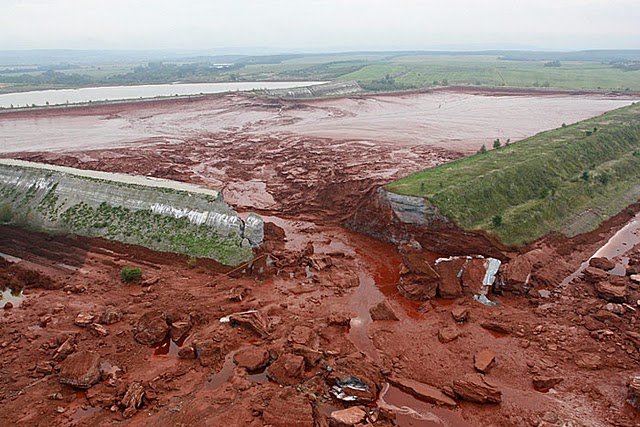
Europe has experienced its share of devastating incidents. The Ajka alumina plant accident in Hungary released one million cubic meters of red mud in 2010. This caustic waste product flooded the village of Kolontár and killed the Marcal River ecosystem. The Baia Mare cyanide spill in Romania earned comparison to the Chernobyl disaster for its environmental impact.
The Romanian disaster contaminated water supplies across multiple countries. Cyanide-laced water flowed through Hungary and Yugoslavia before reaching the Danube River. Fish populations collapsed throughout the affected region.
Africa faces ongoing challenges with mining waste management. The Jagersfontein collapse in South Africa sent toxic mud through residential areas in 2022. The Merriespruit disaster killed 17 people when a tailings dam failed during the night in 1994. Most recently, the Sino-Metals Leach Zambia disaster dumped 50 million liters of acidic waste into the Kafue River system.
Long-term Consequences and Industry Response
The mining industry’s response to these disasters follows a predictable pattern. Companies express regret and promise improved safety measures. Regulatory agencies conduct investigations and issue reports. New standards get adopted with great fanfare. Then another disaster occurs within a few years.
The fundamental problem lies in the industry’s business model. Mining companies externalize environmental costs onto surrounding communities. They operate under the assumption that occasional disasters represent acceptable business risks. The Center for Science in Public Participation has documented how companies consistently underestimate long-term maintenance requirements for tailings facilities.
Corporate accountability remains limited even after major disasters. Legal proceedings drag on for years while affected communities struggle with contaminated water and destroyed livelihoods. Cleanup costs often exceed company resources, leaving taxpayers responsible for environmental remediation.
The technical challenges of tailings storage continue growing as ore grades decline worldwide. Modern mining operations process enormous volumes of rock to extract small amounts of valuable minerals. This trend creates ever-larger waste streams requiring more extensive containment systems.
Tailings dam failure will likely remain a persistent threat as long as current mining practices continue. The industry’s track record suggests that voluntary safety improvements are insufficient. Only comprehensive regulatory reform and strict liability standards can address this ongoing crisis. Communities worldwide deserve protection from an industry that has repeatedly demonstrated its willingness to sacrifice public safety for private profit.
Related Posts
 The Saguenay Flood of 1996: Canada’s Most Devastating 20th Century Deluge
 Circle of Death: The Terrifying Maritime Phenomenon That Traps Victims in Deadly Spinning Nightmares
 Aviation Archaeology: Uncovering History’s Lost Aircraft and Crash Sites
 Darien Scheme: Scotland’s Doomed Colony That Vanished Into Panama’s Deadly Jungle