
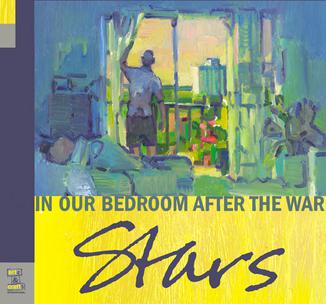
“Take Me to the Riot” by Canadian indie band Stars wasn’t just another catchy tune when it hit the airwaves in 2007. The song sparked something far stranger than typical fan enthusiasm. Across North America, the track seemed to trigger unusual crowd behaviors and unexplained incidents that left authorities baffled. What started as a simple indie pop anthem about urban escapism soon became the center of bizarre real-world events that defied logical explanation.
The song’s hypnotic lyrics about seeking chaos and rebellion appeared to resonate with listeners in ways the band never intended. Reports began surfacing of fans gathering in public spaces, chanting the song’s chorus while engaging in increasingly erratic behavior. These weren’t typical concert crowds or flash mobs – they were something entirely different.
The First Take Me to the Riot Incidents
The earliest documented strange occurrence happened in Montreal just weeks after the song’s release. A group of approximately thirty people assembled in Place Jacques-Cartier at midnight, all wearing identical red bandanas. Witnesses reported they stood in perfect formation, swaying rhythmically while humming the melody of “Take Me to the Riot” for exactly forty-seven minutes before dispersing without a word.
Security cameras captured the entire event, but the footage revealed something unsettling. The participants moved with an almost mechanical precision that seemed impossible to coordinate without extensive rehearsal. Yet none of the individuals appeared to know each other when questioned by police. Each claimed they felt “compelled” to attend, describing an overwhelming urge they couldn’t resist.
Similar gatherings began appearing in other cities. Toronto, Vancouver, and even smaller towns reported mysterious assemblies where participants exhibited the same trance-like behavior. The CBC documented several of these incidents, noting the participants’ inability to explain their actions coherently.
Take Me to the Riot’s Psychological Impact
Another fascinating historical case is: Alligator Bait: The Disturbing Racist Imagery That Haunted American Popular Culture
Dr. Sarah Mitchell, a behavioral psychologist at McGill University, became fascinated by the phenomenon. She interviewed dozens of participants and discovered disturbing patterns. Many reported experiencing vivid dreams about urban landscapes and feelings of intense restlessness in the weeks before attending these gatherings.
The participants described hearing the song playing in their heads constantly, even when no music was present. Some claimed they could hear additional verses that didn’t exist on the recorded version. These phantom lyrics allegedly contained specific instructions about meeting locations and times.
More troubling were the reports of participants finding objects in their pockets after these events – items they swore they’d never seen before. Subway tokens from cities they’d never visited, pieces of concrete with strange markings, and photographs of empty streets taken from impossible angles. None could explain how these objects appeared.
The Take Me to the Riot Underground Network
By late 2007, online forums dedicated to tracking these gatherings had emerged. Participants used coded language and cryptic symbols to communicate meeting details. The forums revealed a disturbing level of organization that seemed to operate without any central leadership.
Members posted photographs of abandoned buildings, empty parking lots, and desolate urban spaces with timestamps and coordinates. These locations consistently matched where the mysterious assemblies occurred. The precision was unnaturally accurate, as if the participants possessed some form of collective consciousness.
Investigators discovered that many participants had no memory of joining these online communities. Their user accounts showed months of activity, but the individuals claimed no knowledge of posting the content. Digital forensics experts found the posts were made from the participants’ own devices, ruling out hacking or external manipulation.
The music press began documenting the phenomenon, though many publications initially dismissed it as an elaborate marketing stunt.
The Sudden Disappearance
As mysteriously as they began, the gatherings stopped in early 2008. The final documented incident occurred in Seattle on February 14th, when over two hundred people assembled in Pioneer Square. Unlike previous gatherings, this group didn’t disperse peacefully. Instead, they began walking in unison toward the waterfront before suddenly snapping out of their trance-like state.
Participants described feeling as if they’d awakened from a dream. Many were miles from where they remembered being, with no recollection of how they’d arrived. The online forums went silent overnight, with all posts mysteriously deleted. Even archived versions of the content vanished from internet databases.
The band Stars never acknowledged the phenomenon publicly. When pressed by journalists, they claimed ignorance about any unusual fan behavior. Their management issued brief statements dismissing the reports as urban legends and coincidental gatherings of enthusiastic fans.
Today, “Take Me to the Riot” remains a beloved indie pop classic, but those who witnessed the strange events of 2007-2008 can’t listen to it the same way. The song’s call for rebellion and chaos seemed to manifest in reality, creating a mystery that defies conventional explanation. Whether the incidents were mass hysteria, an elaborate hoax, or something far stranger remains unknown. The participants have largely remained silent, perhaps preferring to forget their inexplicable experiences with a song that somehow reached beyond the speakers and into their minds.
Related Posts
 Nottingham Cheese Riot: When Angry Citizens Rolled Cheese Through the Streets in 1766
 Urban Riot: The Explosive History of Civil Unrest in America’s Cities
 Russian Sleep Experiment: The Terrifying Creepypasta That Fooled the World
 De Grote Donorshow: The Dutch Television Hoax That Sparked Global Outrage