
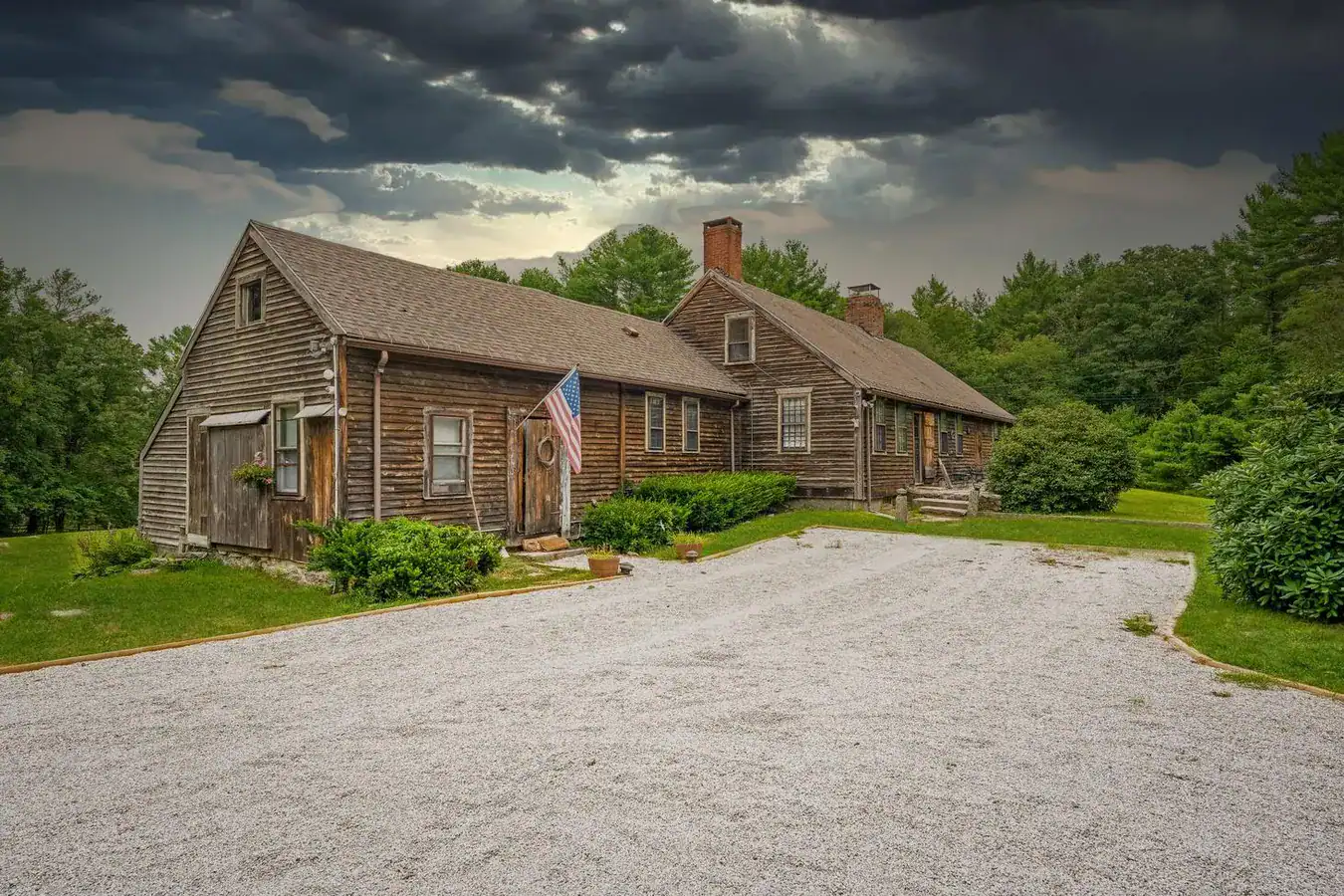
The Conjuring House Legal Battle and Mental Competency Controversy erupted in 2024 when the owner of America’s most famous haunted house began making decisions she claimed were guided by spirits. Jacqueline Nuñez, a practicing attorney and owner of the infamous Harrisville farmhouse, found herself at the center of a shocking legal battle. Her sister alleged that supernatural delusions had compromised her mental capacity to make sound business decisions.
The 18th-century Rhode Island farmhouse gained worldwide notoriety after inspiring the 2013 horror film “The Conjuring.” But the real-life drama unfolding in its courtrooms proved far stranger than any Hollywood script. Nuñez’s bizarre behavior included firing employees based on messages she claimed to receive from the home’s long-dead original owner. She also ejected paying guests after declaring she could “feel their energy” and determine their intentions through supernatural means.
What started as eccentric business practices soon spiraled into a full-blown mental health crisis. Nuñez was hospitalized in three separate psychiatric facilities across Rhode Island and Massachusetts. Medical professionals documented her delusions, including her belief that she was “The Savior of Humanity” and owned the property outright despite significant mortgage debt.
The Conjuring House Legal Battle Takes a Supernatural Turn
The controversy reached its peak when Nuñez signed over the deed to paranormal investigator Jason Hawes for $1.3 million in October 2024. But the circumstances surrounding this transaction were anything but ordinary. Nuñez later claimed she had no memory of signing the documents and insisted the dead spirits inhabiting the house had influenced her decisions.
Court records revealed disturbing incidents that preceded the sale. An Iowa couple paid over $1,000 for an overnight paranormal experience but fled within hours. Nuñez had accused them of harboring evil intentions, claiming supernatural forces had warned her about their presence. Similar incidents occurred with other guests who found themselves suddenly unwelcome after Nuñez consulted what she believed were ghostly advisors.
The situation became even more bizarre when Nuñez fired a longtime employee. She explained that the home’s original owner, dead since the 1800s, had personally informed her that the worker was stealing. This incident marked a turning point for family members who began questioning her mental state. The Conjuring house’s dark history seemed to be consuming its current owner’s grip on reality.
Elizabeth Greenhalgh, Nuñez’s sister from Utah, first noticed troubling changes during a December 2023 visit. She later testified that her sister appeared to be “operating under various delusions” and had lost the ability to distinguish between supernatural beliefs and reality.
Mental Competency Questions in The Conjuring House Legal Battle
Another fascinating historical case is: General Wayne Inn: Murder, Suicide, and Centuries of Haunting in Pennsylvania’s Most Notorious Tavern
Medical experts who treated Nuñez painted a disturbing picture of her mental deterioration. Hospital records showed she had been admitted to psychiatric units multiple times throughout 2024. Each hospitalization revealed deeper delusions about her role as a messianic figure and her relationship with the property’s alleged spirits.
The legal implications became clear when a notary came forward with explosive testimony. She admitted to violating Rhode Island law by improperly witnessing Nuñez’s signature on crucial documents. The notary indicated she would testify under oath that the paperwork transferring ownership to Hawes was fraudulent. This revelation temporarily suspended the $1.3 million sale and raised serious questions about Nuñez’s mental capacity during the signing.
Adding to the chaos, Nuñez had allegedly granted limited power of attorney to Julia Demay, an associate of buyer Jason Hawes. However, court documents later showed Nuñez vehemently denying this action. In an email, she wrote “YIKES! I never signed any such document,” suggesting she had no memory of the legal arrangement.
The property’s business operations also suffered as Nuñez’s condition worsened. Guests complained about being asked to leave based on information she claimed to receive from supernatural sources. The Burrillville Town Council ultimately refused to renew the house’s business license following her November 2024 DUI arrest.
Competing Claims and The Conjuring House Legal Battle Intensifies
Multiple parties emerged with competing interests in the haunted property. YouTuber Elton Castee’s company had purchased the underlying mortgage note, creating a complex ownership dispute. Comedian Matt Rife partnered with Castee, bringing additional celebrity attention to the case. Rife had previously purchased the Connecticut home of famous paranormal investigators Ed and Lorraine Warren.
Jason Hawes, star of the television show “Ghost Hunters,” positioned himself as the property’s potential savior. He claimed his purchase would preserve the house’s historical and paranormal significance. Andrea Perron, whose family’s experiences inspired the original Conjuring film, made an emotional plea supporting Hawes. Battling stage 4 brain cancer, Perron called the farmhouse “a place of reverence and history.”
The financial stakes were substantial, with real estate estimates suggesting the property was worth nearly $970,000. Greenhalgh’s lawsuit alleged the $1.3 million sale price was below fair market value, raising questions about whether Nuñez’s impaired judgment had cost her financially. The competing valuations added another layer of complexity to an already convoluted legal battle.
Rhode Island Superior Court Judge Christopher Smith temporarily blocked the sale pending resolution of Greenhalgh’s legal challenge. Meanwhile, a Massachusetts probate court scheduled emergency hearings on Greenhalgh’s request to become her sister’s legal conservator.
Paranormal Influence on Legal Proceedings
The case raised unprecedented questions about how supernatural beliefs intersect with legal competency standards. Mental health professionals struggled to evaluate a patient whose delusions centered on communicating with spirits in a genuinely haunted location. The house’s documented paranormal activity, investigated by numerous teams over decades, complicated assessments of Nuñez’s mental state.
Witnesses described instances where Nuñez seemed to respond to unseen presences during business meetings. She would pause mid-conversation, appearing to listen to invisible advisors before making sudden decisions. These behaviors intensified throughout 2024, culminating in the controversial property transfer that sparked the legal battle.
The involvement of paranormal investigators and psychic phenomena in the case created unique challenges for the court system. How could judges distinguish between genuine supernatural experiences and mental illness symptoms? The question became central to determining Nuñez’s legal capacity to manage her affairs.
Law enforcement also grappled with unusual circumstances during their investigation. Officers responding to the DUI arrest reported that Nuñez made references to supernatural protection and claimed spirits had been guiding her driving. These statements further documented her deteriorating connection to reality and strengthened arguments for mental health intervention.
The Conjuring House Legal Battle and Mental Competency Controversy ultimately highlighted the complex intersection of paranormal beliefs, mental health, and legal responsibility. As court proceedings continue, the case serves as a cautionary tale about how supernatural obsessions can spiral into real-world consequences. Whether driven by genuine spiritual communication or mental illness, Nuñez’s story demonstrates the very real dangers lurking within America’s most haunted house.
Related Posts
 The Don Cesar: Florida’s Haunted Pink Palace and Its Ghostly Residents
 Chocochatti: The Lost Seminole Village Where Spirits Still Roam Florida’s Haunted Prairie
 Bagdad-Chase Mine: The Cursed California Gold Mine That Claimed Lives and Fortunes
 Scream-a-geddon: The Haunted Horror Park Built on a Massacre Site