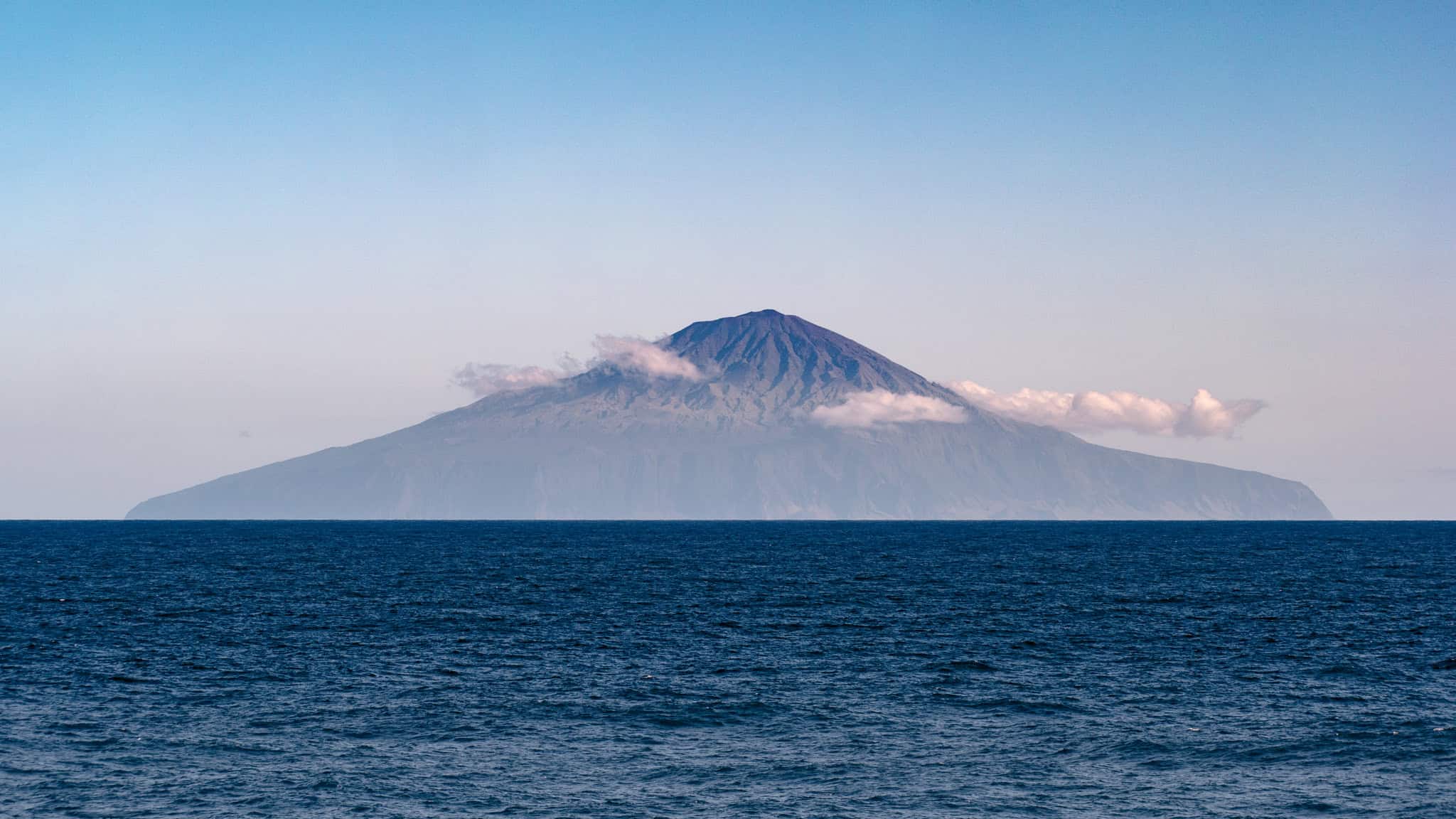
The Tristan Da Cunha Lifeboat Disaster stands as one of the most haunting maritime mysteries of the 19th century. On November 27, 1885, fifteen able-bodied men from the remote South Atlantic island set sail in their government-donated lifeboat. They hoped to trade potatoes and livestock with a passing ship. None of them ever returned. Their disappearance transformed Tristan da Cunha from an island of men into an island of grieving widows and orphans. The fate of these fifteen souls remains unknown to this day.
The isolation of Tristan da Cunha made the tragedy even more devastating. Located over 1,500 miles from the nearest inhabited land, the island had no way to search for the missing men. The community was left to wonder what happened in those dark Atlantic waters. Did the men drown in rough seas? Were they taken as slaves? The questions haunted the survivors for generations.
The Fateful Day of the Tristan Da Cunha Lifeboat Disaster
The morning of November 27, 1885, brought both hope and doom to Tristan da Cunha. The iron barque West Riding appeared on the horizon. She was sailing from Bristol to Sydney with precious cargo. The islanders desperately needed supplies. Their potato crop had failed that year. Stores were nearly empty.
Fifteen men loaded their lifeboat with trade goods. They carried potatoes, livestock, and other island products. The British government had recently donated the lifeboat to the community. It seemed sturdy enough for the journey. Weather conditions in the South Atlantic looked rough, but the men were experienced sailors.
Among the doomed crew was Thomas Glass, son of the island’s founder William Glass. The Green family lost six members that day. The Hagan family lost three. These weren’t just statistics. They were fathers, sons, and brothers. Each man left behind family members who would never see them again.
Witnesses watched the lifeboat sail toward the West Riding. The small vessel was spotted alongside the larger ship for some time. Then it vanished from sight. Historical records show the lifeboat was never seen again. The West Riding continued its journey to Australia without reporting any contact with the islanders.
Mysterious Theories Surrounding the Tristan Da Cunha Lifeboat Disaster
For more strange history, see: USS Craven (TB-10): The Cursed Torpedo Boat That Met a Fiery End
The disappearance spawned several disturbing theories. The most accepted explanation suggests the men drowned when their lifeboat capsized in rough seas. The South Atlantic is notorious for sudden storms and massive swells. A small lifeboat would stand little chance against such forces.
But darker theories emerged over time. Some reports claimed the men were taken aboard the West Riding and sold as slaves in Australia. The 1880s saw continued illegal slave trading in remote parts of the world. Isolated islanders would make easy targets for unscrupulous ship crews.
Another theory suggests the men were murdered for their trade goods. Pirates still operated in the South Atlantic during this period. The islanders carried valuable supplies that could fetch good prices in distant ports. Their remote location made them vulnerable to such attacks.
The most chilling aspect remains the complete lack of evidence. No wreckage ever washed ashore. No bodies were recovered. The lifeboat simply vanished as if swallowed by the ocean itself. This total absence of physical proof has kept the mystery alive for nearly 140 years.
The Aftermath: An Island of Widows
The Tristan Da Cunha Lifeboat Disaster left the island community devastated. Thirteen widows suddenly found themselves alone with their children. Only four adult men remained on the island. Peter Green was 77 years old. Andrew Hagan was 69. The community’s survival hung by a thread.
The tragedy reached England through official channels. Edwin Heron Dodgson, brother of Lewis Carroll, had previously served as a missionary on the island. When he learned of the disaster, he actively sought help for the survivors. The Colonial Office paid for his return journey aboard HMS Thalia.
Dodgson arrived on August 4, 1886, to find a transformed community. The women and children were running the island alone. They had managed to maintain basic functions, but the loss of so many working men created enormous challenges. Food production, construction, and other heavy labor became nearly impossible.
The population count on Boxing Day 1885 revealed the full scope of the tragedy. Only 92 people remained on the island, including the 13 new widows. The demographic shift was catastrophic for such a small, isolated community.
Legacy and Remembrance
The missing men are commemorated in several ways today. A plaque at St. Mary’s Church on Tristan da Cunha lists all fifteen names. The memorial serves as a permanent reminder of the island’s greatest tragedy. Visitors and residents alike pause to remember the lost souls.
In 2015, the Royal Mail issued commemorative stamps marking the 130th anniversary of the disaster. The stamps feature images of the island and the ill-fated lifeboat. They help keep the memory of the tragedy alive for new generations.
The disaster fundamentally changed Tristan da Cunha’s social structure. The island developed new traditions around community support and shared labor. Women took on roles previously reserved for men. These changes shaped the island’s culture for decades to come.
Modern genealogical research reveals the lasting impact on island families. Many current residents trace their ancestry to the widows and orphans left behind in 1885. The genetic bottleneck created by the disaster still influences the island’s small population today.
The Tristan Da Cunha Lifeboat Disaster remains an unsolved mystery that continues to fascinate historians and maritime researchers. The complete disappearance of fifteen men and their boat defies easy explanation. Whether they drowned, were murdered, or met some other fate may never be known. Their story serves as a haunting reminder of the dangers faced by isolated communities and the mysteries that still lurk in our world’s remote corners.