
The 2024 Manila Bay Oil Spill began under mysterious circumstances that still puzzle investigators today. On July 25, 2024, the MT Terranova capsized in Manila Bay’s dark waters at 1:10 AM. The industrial fuel tanker carried nearly 1.5 million liters of oil when it sank. But the ship’s final hours raise disturbing questions about what really happened that night.
The vessel had been circling Bataan waters for 26 hours before its sudden demise. GPS tracking revealed this strange pattern to Philippine Coast Guard investigators. Why would a cargo ship destined for Iloilo spend over a day going in circles? Justice Secretary Jesus Crispin Remulla suggested a chilling possibility. The tanker might have been involved in “paihi” – an illegal oil transfer scheme used to avoid taxes.
Under this shadowy system, large vessels meet smaller crafts at sea. Oil transfers happen in darkness, away from port authorities. The practice costs the Philippines millions in lost revenue each year. Was the Terranova’s midnight sinking really an accident? Or did something go terribly wrong during an illegal operation?
The Eerie Pattern of the 2024 Manila Bay Oil Spill Vessels
Three ships sank within days of each other in the same small area of Manila Bay. This wasn’t just bad luck – it was statistically impossible. The MT Terranova went down first on July 25th. Two days later, the motor tanker Jason Bradley sank just 600 yards away. On July 31st, the MV Mirola 1 ran aground nearby, abandoned and leaking fuel.
DOJ Undersecretary Raul Vasquez called the proximity a “red flag.” All three incidents occurred within 3 to 5 nautical miles of each other. The Jason Bradley had a dark history too. Records showed it was subject to a seizure warrant in 2022 for failing fuel marking tests. These tests detect illegally imported petroleum products.
The Mirola 1’s story was equally suspicious. It had sailed from Navotas without proper Coast Guard authorization. When found, the vessel was tilted and abandoned. Two drums of heavy fuel oil and 3,000 liters of diesel were leaking into the water. Who abandons a working vessel? What were they trying to hide?
Local fishermen whispered about strange lights and unusual vessel activity in the weeks before the disasters. Some reported seeing unmarked boats operating at night near the spill zone. Official records document the environmental impact, but they don’t explain the human mystery behind these synchronized sinkings.
Witnesses Describe the 2024 Manila Bay Oil Spill Horror
Another fascinating historical case is: Coffin Ship (insurance): When Greed Turned Vessels Into Floating Death Traps
Efren Dominico had fished Manila Bay for 43 years. Nothing prepared him for what he witnessed that July morning. The veteran fisherman watched black water spread across his livelihood like a curse. “The sea turned into something evil,” he told reporters. Oil-stained waves crashed against his boat as dead fish floated past.
Cheryl Merquita from Tanza, Cavite, saw the disaster unfold from shore. On Monday morning, July 29th, she watched the water turn completely black. Huge waves carried “a deluge of trash stained with oil” onto the beach. The sight terrified local residents who had never seen anything like it.
By afternoon, desperate villagers wearing pink gloves tried to clean up the mess by hand. They scooped oil-soaked debris into plastic bags. The acrid smell burned their throats and eyes. Children were kept indoors as the toxic fumes spread inland.
The spill grew with supernatural speed. What started as a 2-kilometer slick expanded to cover 93.74 square kilometers within days. Philippine Space Agency satellites captured the growing black stain from orbit. The images looked like something from a disaster movie. Strong monsoon waves pushed the oil farther and faster than anyone expected.
Government Cover-Up Allegations and Unanswered Questions
Senate Majority Leader Francis Tolentino announced a formal inquiry into the spill. The investigation would begin on August 13, 2024. Fishermen’s groups demanded answers about possible law violations. They suspected government agencies knew more than they were revealing.
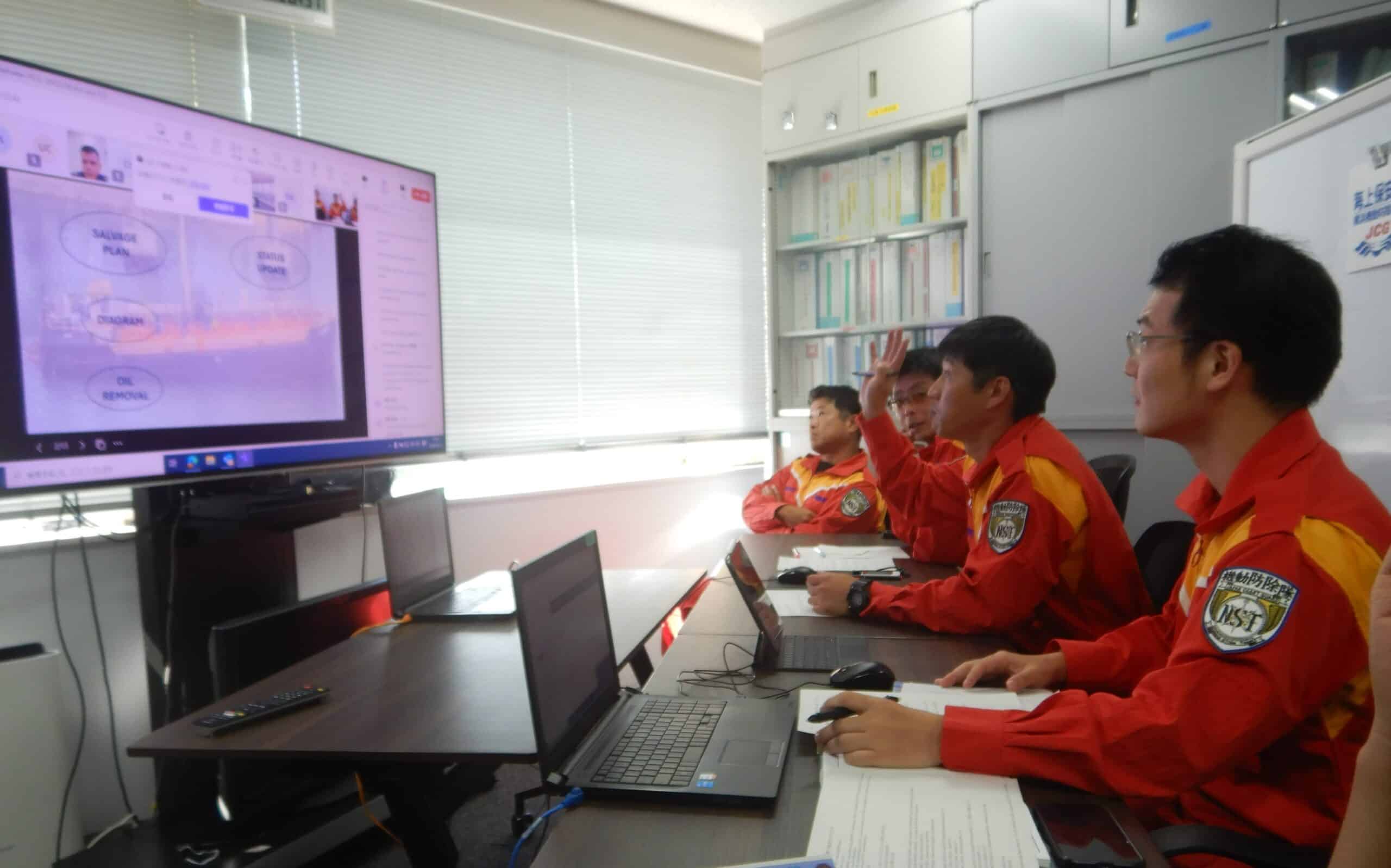
Why did it take so long to begin oil removal operations? Harbor Star didn’t start siphoning oil until August 13th – nearly three weeks after the sinking. The company used “hot tapping” to put pipes directly on the tank surface. Divers had to seal leaking valves underwater in dangerous conditions.
The delay seemed suspicious to many observers. Was someone trying to destroy evidence? The longer oil remained in the water, the harder it became to trace its exact source and composition. Chemical fingerprinting could have revealed if the cargo matched the ship’s manifest.
International help arrived from unexpected sources. Two NOAA oil spill specialists deployed from the United States for two weeks. They brought advanced modeling tools and training programs. NOAA’s Environmental Response Management Application helped track the spill’s movement. But why did foreign experts need to assist with a domestic disaster?
The economic damage was staggering. Over 28,000 fishermen lost their livelihoods overnight. Estimated losses reached 78.69 million pesos in just eight days. The spill threatened 60 migratory bird species, including 12 endangered varieties. Manila Bay’s ecosystem might take decades to recover fully.
The 2024 Manila Bay Oil Spill remains shrouded in mystery and suspicion. Three vessels sinking in the same area within a week defies coincidence. GPS tracking revealed suspicious movement patterns before the disasters. Government investigations continue, but many questions remain unanswered. Was this really an accident, or something more sinister? The truth may be as murky as the oil-stained waters of Manila Bay itself.
Related Posts
 January 2026 Solar Storm: The Celestial Event That Defied Scientific Predictions
 2025 Pn7 Quasi Moon: Earth’s Mysterious Shadow Companion That Shouldn’t Exist
 Operation Snow White: The Church of Scientology’s Massive Government Infiltration Conspiracy
 Slenderman Stabbing: When Internet Horror Became Deadly Reality