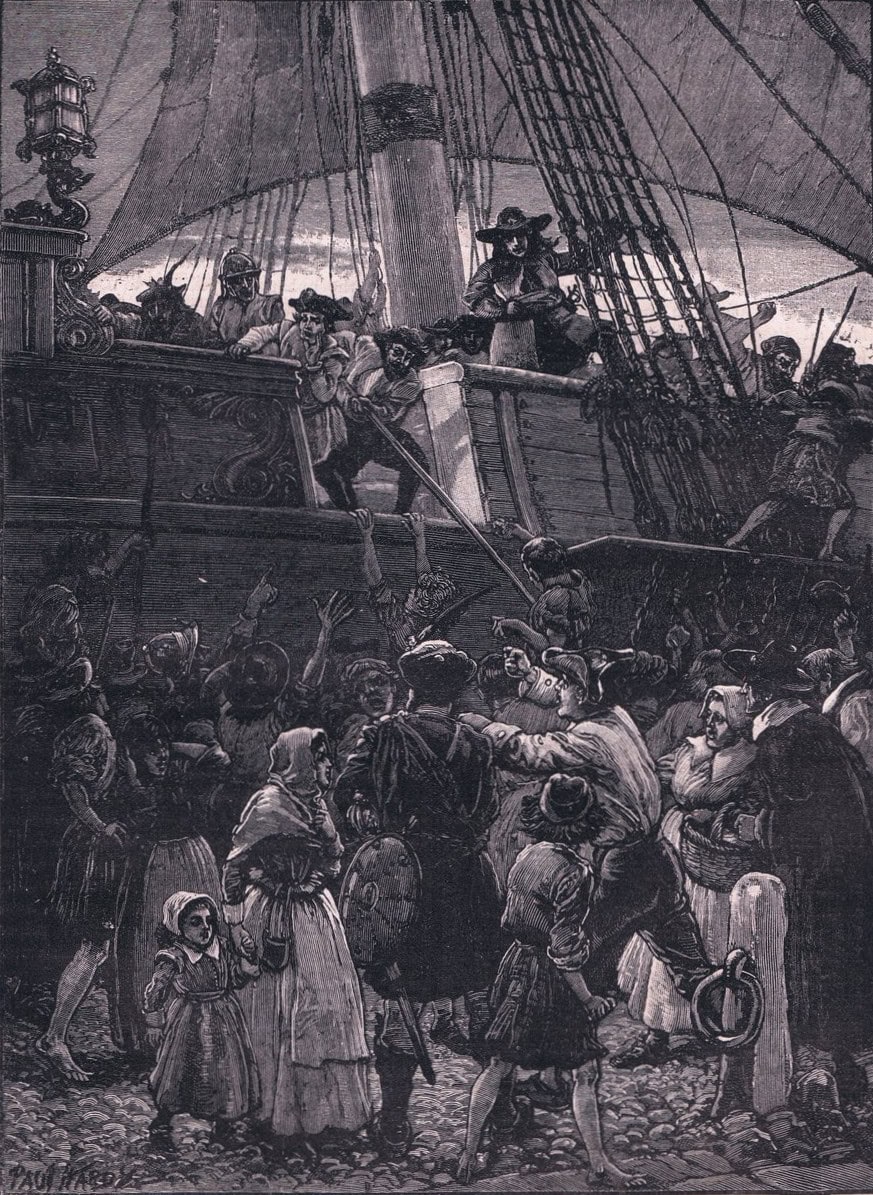
The Darien Scheme stands as one of history’s most catastrophic colonial ventures. Scotland’s ambitious plan to establish New Caledonia in Panama’s treacherous Darién Gap began in 1698. What followed was a nightmare of disease, death, and mysterious disappearances that would haunt the nation for generations.
Over 2,500 Scottish colonists sailed to establish this tropical outpost. Within two years, more than 80% were dead. The survivors abandoned their settlement twice, fleeing what they described as a cursed land. Strange reports emerged from the jungle colony before it vanished forever.
The expedition’s leader, William Paterson, watched helplessly as his wife and child perished in the steaming wilderness. His letters home described unexplained deaths and colonists who simply walked into the jungle never to return. Something sinister lurked in Panama’s green hell.
The Darien Scheme’s Mysterious Planning Failures
The most baffling aspect of the Darien Scheme was its complete lack of reconnaissance. No Scotsman had ever visited the Darién Gap before committing the nation’s entire treasury to the venture. This oversight defies explanation, especially given Scotland’s reputation for careful planning.
William Paterson promoted the location based solely on maps and secondhand accounts. He claimed the harbor would be perfect for trade ships. Reality proved devastatingly different. The harbor faced constant winds that trapped vessels for weeks. Ships couldn’t leave once they arrived.
Even more puzzling was the colonists’ failure to establish trade with local indigenous tribes. The Guna people controlled the region and could have provided crucial support. Instead, the Scots remained isolated in their jungle fortress. Recent archaeological excavations by Dr. Mark Horton from Bristol University have uncovered artifacts that suggest the colonists lived in constant fear.
Letters discovered in Scotland’s National Archives reveal colonists reporting strange sounds at night. George Douglas wrote of “unnatural screams” echoing from the jungle. He described colonists who ventured beyond the fort’s walls and returned speaking of ghostly figures in the mist.
Death and Disease Consume the Darien Scheme Colony
This event shares similarities with: Villa Epecuén: Argentina’s Lost Tourist Town Swallowed by Salt Water
Disease struck the colony with supernatural swiftness. Tropical fevers claimed dozens of lives weekly. But the colonists’ letters describe symptoms that don’t match known diseases. They wrote of victims who died with their eyes wide open, staring at something invisible to others.
The settlement’s physician reported cases of colonists who fell into deathlike trances. Some recovered after days of apparent death. Others never awakened. Bodies decomposed unusually quickly in the humid climate, forcing immediate burials.
Captain Charles Forbes documented the most disturbing incidents. He wrote of colonists who walked into the jungle as if summoned by unseen forces. Search parties found no trace of these missing people. Their footprints simply ended in the dense undergrowth.
The Spanish later claimed the region was cursed by ancient indigenous spirits. Local Guna legends spoke of vengeful ancestors who protected their land from invaders. Whether supernatural or natural, something was systematically destroying the Scottish colony.
Food supplies rotted faster than expected. Wells dug by the colonists produced brackish water despite being far from the sea. Even their livestock died mysteriously, often found dead without signs of injury or disease.
The Darien Scheme’s Final Abandonment and Strange Survivors
By July 1699, the first wave of colonists abandoned New Caledonia. Those who survived the journey home told horrifying tales. They described nights filled with inhuman wailing from the jungle. Some claimed to have seen the ghosts of dead colonists wandering the settlement.
A second expedition arrived in November 1699, unaware of the first colony’s fate. These 1,300 fresh colonists found the abandoned settlement overgrown with vegetation. Buildings had deteriorated as if decades had passed, not months.
The second group lasted only three months before fleeing in February 1700. Their leader reported that colonists began disappearing within days of arrival. Unlike the first expedition, these vanishings happened inside the fort itself.
Survivors described waking to find empty beds with no signs of struggle. Personal belongings remained untouched. It was as if people had simply evaporated during the night. The National Museums Scotland displays artifacts from these final days, including personal items found scattered throughout the abandoned settlement.
The few who made it back to Scotland were forever changed. Many refused to speak of their experiences. Others told wild stories of supernatural encounters that were dismissed as fever dreams.
Legacy of Scotland’s Lost Colony
The financial disaster of the failed colony bankrupted Scotland. The nation lost nearly 25% of its total wealth to the doomed venture. This economic catastrophe directly led to Scotland’s union with England in 1707.
Today, the Guna people control the land where New Caledonia once stood. They call the area Puerto Escocés, acknowledging the Scottish attempt. Local Guna elders still tell stories of the pale strangers who came from across the sea and vanished into the jungle.
Recent archaeological work has uncovered the remains of Fort St. Andrew and a shipwreck in Caledonia Bay. Artifacts suggest the colonists lived in constant terror. Weapons were found clutched in skeletal hands, as if the dead had been defending against an unknown threat.
The Darien Scheme remains one of history’s most mysterious colonial failures. Modern historians struggle to explain how such a well-funded expedition could fail so completely. The jungle has reclaimed most traces of New Caledonia, but the mystery of what really happened in those deadly months continues to haunt Panama’s misty mountains.