
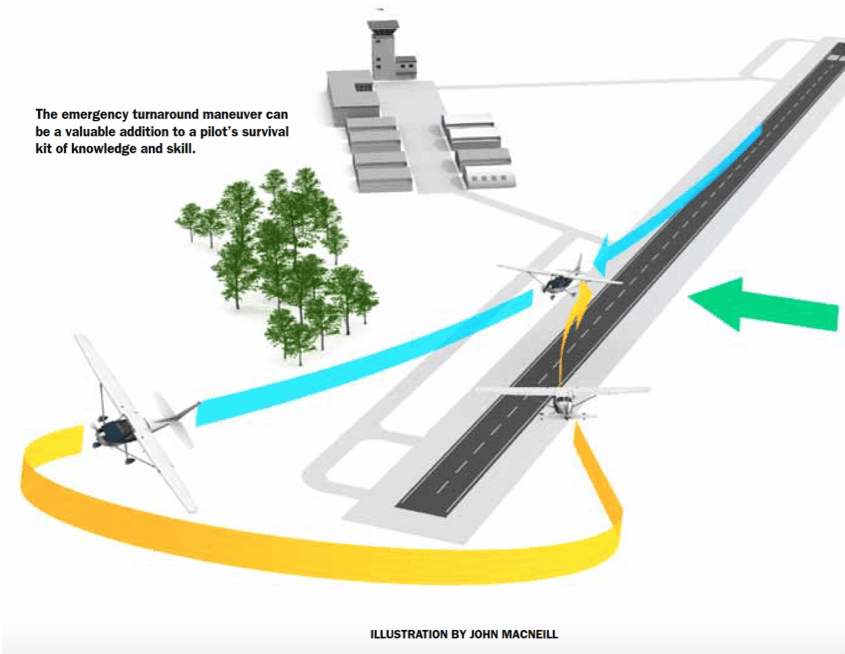
Engine Failure on Takeoff represents one of aviation’s most terrifying and mysterious phenomena. When engines fail during the most critical phase of flight, pilots face split-second decisions that determine life or death. But some cases go beyond mechanical failure into the realm of the unexplained. Recent incidents have left investigators scratching their heads, with phantom switches, impossible sequences, and failures that defy all logic.
The statistics are chilling. Approximately one-third of all engine failures occur during or shortly after takeoff. What makes these incidents even more unsettling is that 30 percent of engine failures leading to accidents have no known cause. The National Transportation Safety Board admits that engine investigations remain their weakest point, leaving families and aviation experts with haunting questions that may never be answered.
The Phantom Fuel Switch Mystery of Engine Failure on Takeoff
Air India Flight 171’s crash on June 12, 2025, defies all rational explanation. The Boeing 787-8 Dreamliner plummeted from the sky just 32 seconds after takeoff from Ahmedabad, killing 241 of 242 people aboard. But the cockpit voice recorder captured something that still sends chills down investigators’ spines.
Both fuel control switches mysteriously moved from RUN to CUTOFF three seconds after liftoff. The audio reveals one pilot asking “Why did you cut off?” The other pilot’s response was equally disturbing: he claimed he hadn’t touched anything. Neither voice could be identified, adding another layer to this aviation nightmare.
The mystery deepened in February 2026 when another Boeing 787 experienced the exact same phenomenon. During engine start at London Heathrow, the left fuel control switch slipped to CUTOFF twice when barely touched by the crew. The switch had been set correctly, yet it moved on its own accord. This wasn’t human error or mechanical wear – something else was at play.
The Boeing 787’s electronic systems have introduced what experts call a “digital failure mode” that didn’t exist in older aircraft. Water seepage into the main electronic bay could theoretically trigger sensor errors, but this explanation feels inadequate for such precise, repeated failures.
The Cursed General Electric CF-6 Engine
This event shares similarities with: Skunk Ape: Florida’s Mysterious Swamp Creature Through History
UPS Flight 2976’s crash on November 4, 2025, revealed a pattern that investigators find deeply unsettling. The MD-11 cargo plane’s left engine didn’t just fail – it detached completely during takeoff, creating a fireball that killed 14 people and injured 23 on the ground. Airport surveillance captured the horrifying moment when the massive engine tore away from the aircraft.
The General Electric CF-6 engine involved in this crash carries a dark history. This marked the fourth engine failure and fire incident involving the same GE equipment within a decade. A similar CF-6 engine burst into flames during takeoff at O’Hare Airport less than ten years earlier, creating an eerie pattern of destruction.
NTSB investigators found fatigue cracking extending through 75% of the fracture surface in the spherical bearing assembly. The cracking had spread around the entire circumference, suggesting a systematic weakness that somehow escaped detection. How does such extensive damage go unnoticed during routine inspections? The answer remains shrouded in mystery.
The investigation revealed something even more disturbing: the fatigue cracking originated at the exact same location in multiple engines of this type. It’s as if these engines were programmed to fail at predetermined stress points, following an invisible blueprint of destruction.
Unexplained Engine Failure on Takeoff Patterns
Recent data reveals disturbing patterns that conventional aviation science cannot explain. Twin-engine aircraft experience fatal engine failures twice as often as single-engine planes during takeoff, despite having backup power. This statistical anomaly suggests that something beyond simple mechanical failure is occurring.
The timing of these failures follows an almost supernatural precision. Most occur within the first 60 seconds after brake release, during the most vulnerable phase when pilots have minimal options. It’s as if these engines are waiting for the exact moment when failure would cause maximum devastation.
Historical accident records show clusters of similar failures occurring in waves, separated by years of relative quiet. These patterns defy statistical probability and suggest influences beyond random mechanical wear. Investigators have noted that certain aircraft tail numbers seem cursed, experiencing multiple engine events throughout their service lives.
Weather conditions during these mysterious failures often involve clear skies and perfect visibility. If atmospheric conditions were a factor, one would expect more failures during storms or adverse weather. Instead, these engines choose calm, beautiful days to unleash their mechanical fury.
The Investigators’ Dilemma
Aviation investigators face an uncomfortable truth: their traditional methods fail when confronted with these inexplicable cases. Bruce Landsberg, NTSB vice-chairman, openly acknowledges that engine investigations represent their weakest capability. The agency’s reports are uneven in detail and thoroughness, leaving crucial questions unanswered.
The investigation process itself seems haunted by strange occurrences. Critical evidence disappears from secure facilities. Witness testimonies change between interviews without explanation. Computer data corrupts at crucial moments, forcing investigators to rely on incomplete information. Some investigators privately admit to feeling an oppressive atmosphere around certain crash sites.
Families of victims report disturbing dreams featuring mechanical failures before official cause determinations are released. These dreams often contain technical details that the dreamers couldn’t possibly know, yet prove accurate when compared to final investigation reports. Such accounts are dismissed as coincidence, but their frequency suggests something more profound at work.
The psychological toll on investigators is severe. Several NTSB personnel have requested transfers away from engine failure cases, citing unexplained anxiety and recurring nightmares. One investigator reported feeling watched while examining wreckage, despite being alone in secure hangars. These accounts remain unofficial, buried in personnel files that will likely never see public scrutiny.
Modern aviation’s reliance on computer systems has created new possibilities for failure modes that investigators struggle to understand. The Boeing 787’s Full Authority Digital Engine Control (FADEC) system operates through complex algorithms that can produce unexpected results. When these digital brains malfunction, they can create failure scenarios that seem to violate physical laws.
The mystery of Engine Failure on Takeoff continues to haunt the aviation industry. Despite decades of technological advancement and safety improvements, these incidents persist with their inexplicable patterns and impossible circumstances. Until investigators can pierce the veil surrounding these cases, passengers will continue boarding aircraft with engines that might harbor secrets darker than simple mechanical failure.