
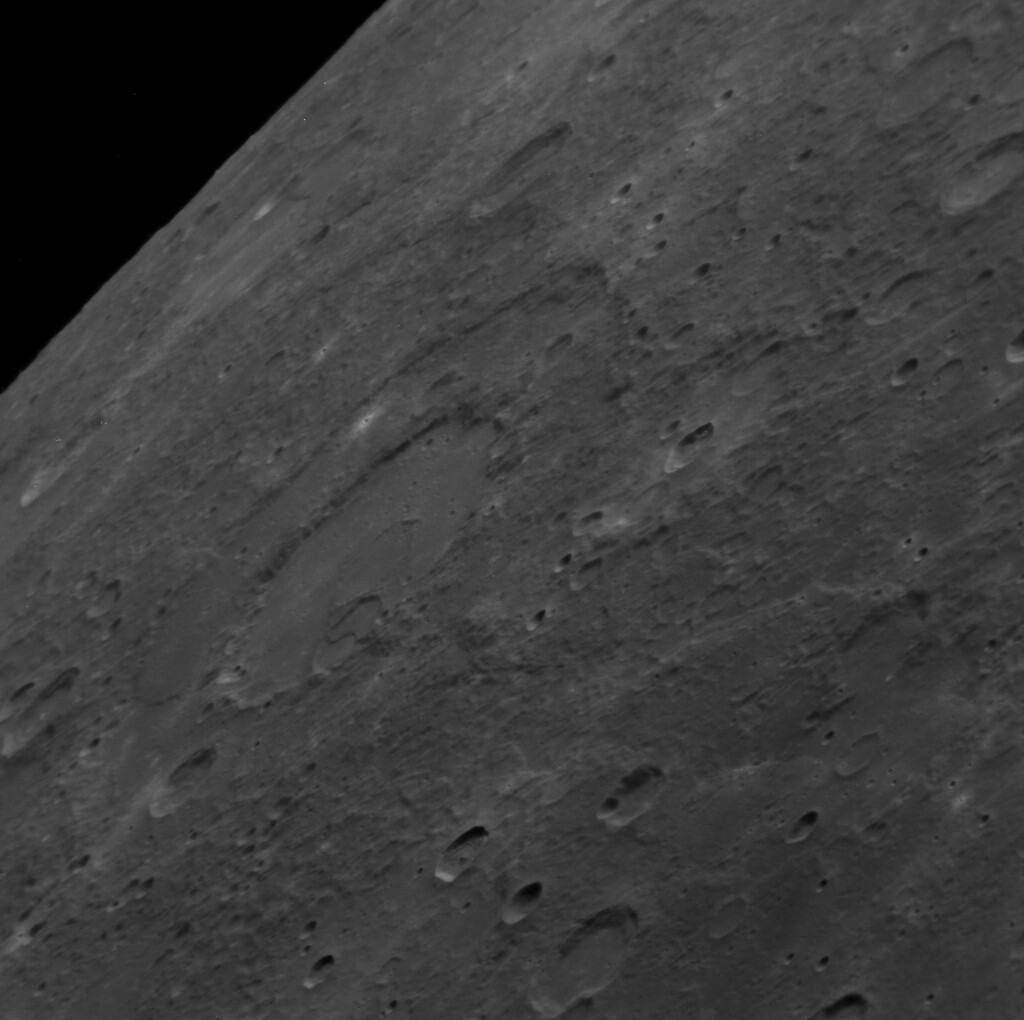
Imagine standing on the frozen Siberian tundra. The ground beneath you suddenly erupts. Soil, ice, and rock blast hundreds of feet into the air. When the dust settles, a massive pit , sometimes 165 feet wide and 100 feet deep , stares back at you like a wound in the earth. This is what a gas emission crater looks like. And scientists are still struggling to fully explain why they keep appearing. These mysterious craters have baffled researchers, terrified locals, and sparked wild theories ranging from alien activity to secret military testing. The truth, it turns out, is almost stranger than fiction.
The Gas Emission Crater That Shocked the World
The first confirmed gas emission crater appeared in Siberia in 2013. Satellite analysis later pinpointed its formation to sometime between October 9 and November 1 of that year. But the world didn’t really notice until 2014.
That year, a massive crater was discovered on the Yamal Peninsula in northwestern Siberia. The name “Yamal” translates from the local Nenets language as “End of the World.” That name suddenly felt very appropriate.
Helicopter crews spotted the crater from the air. News spread fast. Photos went viral almost immediately. The hole was enormous , dark, perfectly round, and seemingly bottomless. It looked like something had punched through the earth from below.
The international media went into a frenzy. Theories flew in from every direction. Some people suggested a meteorite strike. Others whispered about UFOs. There were claims of secret underground military facilities exploding. A few voices even floated the idea of a supernatural event.
Scientists scrambled to investigate. What they found was deeply unsettling , not because of anything paranormal, but because of what it said about our planet’s future.
The Yamal Peninsula sits atop some of the world’s largest natural gas reserves. Beneath its frozen surface, enormous pockets of methane had been building pressure for years. When the permafrost weakened enough, the gas exploded outward , violently and without warning.
What Actually Causes a Gas Emission Crater?
This event shares similarities with: Tunguska Event: The Mysterious Siberian Explosion That Defies Explanation
The science behind these craters reads like a horror story for climate scientists.
Deep underground, methane gas seeps upward from massive natural reserves. It travels through geological faults. Eventually, it reaches the bottom of the permafrost layer , the thick, frozen ground that covers much of Siberia.
Normally, the permafrost acts like a lid. It traps the gas beneath it. Pressure builds slowly over time. But Siberia’s climate has been warming at an alarming rate. The permafrost softens. The lid weakens.
Then comes the explosion.
When reservoir pressure exceeds the weight of the rock and soil above it, the gas erupts in an avalanche-like burst. Everything above gets ejected , soil, ice chunks, rock fragments , sometimes thrown hundreds of meters away from the crater’s edge. Witnesses have described finding debris scattered in a wide ring around the holes.
Researchers from Moscow State University made an even more dramatic claim in 2018. They published an article in the journal Scientific Reports arguing that the Yamal crater was actually the first known cryovolcano discovered on Earth. A cryovolcano , or ice volcano , erupts with frozen materials rather than molten lava. The idea that Earth had joined icy moons like Europa and Enceladus in hosting such a feature was staggering.
The scientific community later settled on a slightly different explanation. But the cryovolcano theory shows just how strange and unprecedented these events truly are.
There’s another unsettling twist. Some research suggests that surface ice-melt water can migrate downward through osmotic pressure. It interacts with pockets of extremely salty water called cryopegs trapped below. This process can help build the overpressure that eventually triggers an explosion. The earth, it seems, has its own internal plumbing , and it’s misfiring.
The Growing Number of Gas Emission Crater Sites
The Yamal crater was not a one-time event. Not even close.
As of 2020, scientists had confirmed 17 known craters. Every single one sits in the circumpolar regions of Western Siberia. They cluster on the Yamal Peninsula and the neighboring Gydan Peninsula. Both regions float above enormous underground methane reserves.
The craters don’t just appear on land. Some have been found at the bottoms of rivers and lakes. This means the explosions happen underwater too , silently, invisibly, without any witness except the water above.
NASA’s Earth science division has been monitoring Arctic methane release as part of broader climate research. The concern is real. Every explosion releases previously trapped methane directly into the atmosphere. Methane is a powerful greenhouse gas , far more potent than carbon dioxide over short timescales. Each crater that opens up potentially accelerates the very warming that caused it. Scientists call this a feedback loop. It’s a cycle that feeds itself.
The craters form, release gas, warm the planet, weaken more permafrost, and create conditions for more craters. The Yamal Peninsula alone may be hiding dozens of future explosion sites , mounds of heaving earth called pingos that bulge upward before eventually bursting.
Local reindeer herders have reported strange sounds from the ground. Rumbling. Hissing. The earth groaning before it gives way. These accounts add an eerie, almost supernatural quality to an already unsettling phenomenon.
The Feedback Loop Nobody Wants to Talk About
Here’s the part that keeps climate scientists awake at night.
The methane released by each explosion doesn’t just disappear. It rises into the atmosphere. It traps heat. It accelerates global warming. Warmer temperatures then melt more permafrost. More permafrost melts, more gas builds up, and the cycle continues.
Scientists estimate that Arctic permafrost contains roughly 1.5 trillion tons of frozen organic carbon. If even a fraction of that escapes as methane, the consequences for global climate would be severe. The craters we’ve found so far may be just the beginning.
The Nenets people , indigenous reindeer herders who have lived on the Yamal Peninsula for centuries , have their own understanding of the land. They’ve watched these strange holes appear with a mixture of fear and resignation. To them, the “End of the World” peninsula is living up to its name.
Historical scientific records show no accounts of such explosions before 2013. This is a new phenomenon. Something that has never happened in recorded human history is now happening with increasing frequency.
The gas emission crater remains one of the most genuinely alarming mysteries of the modern age. It blurs the line between natural disaster and slow-motion catastrophe. The earth is literally exploding beneath our feet in one of the most remote places on the planet. And nobody can say with certainty when , or where , the next one will go off.
Related Posts
 January 2026 Solar Storm: The Celestial Event That Defied Scientific Predictions
 2025 Pn7 Quasi Moon: Earth’s Mysterious Shadow Companion That Shouldn’t Exist
 Tunguska Event: The Mysterious Siberian Explosion That Defies Explanation
 Ivermectin During the Covid-19 Pandemic: The Strange Saga of a Deworming Drug That Divided the World