
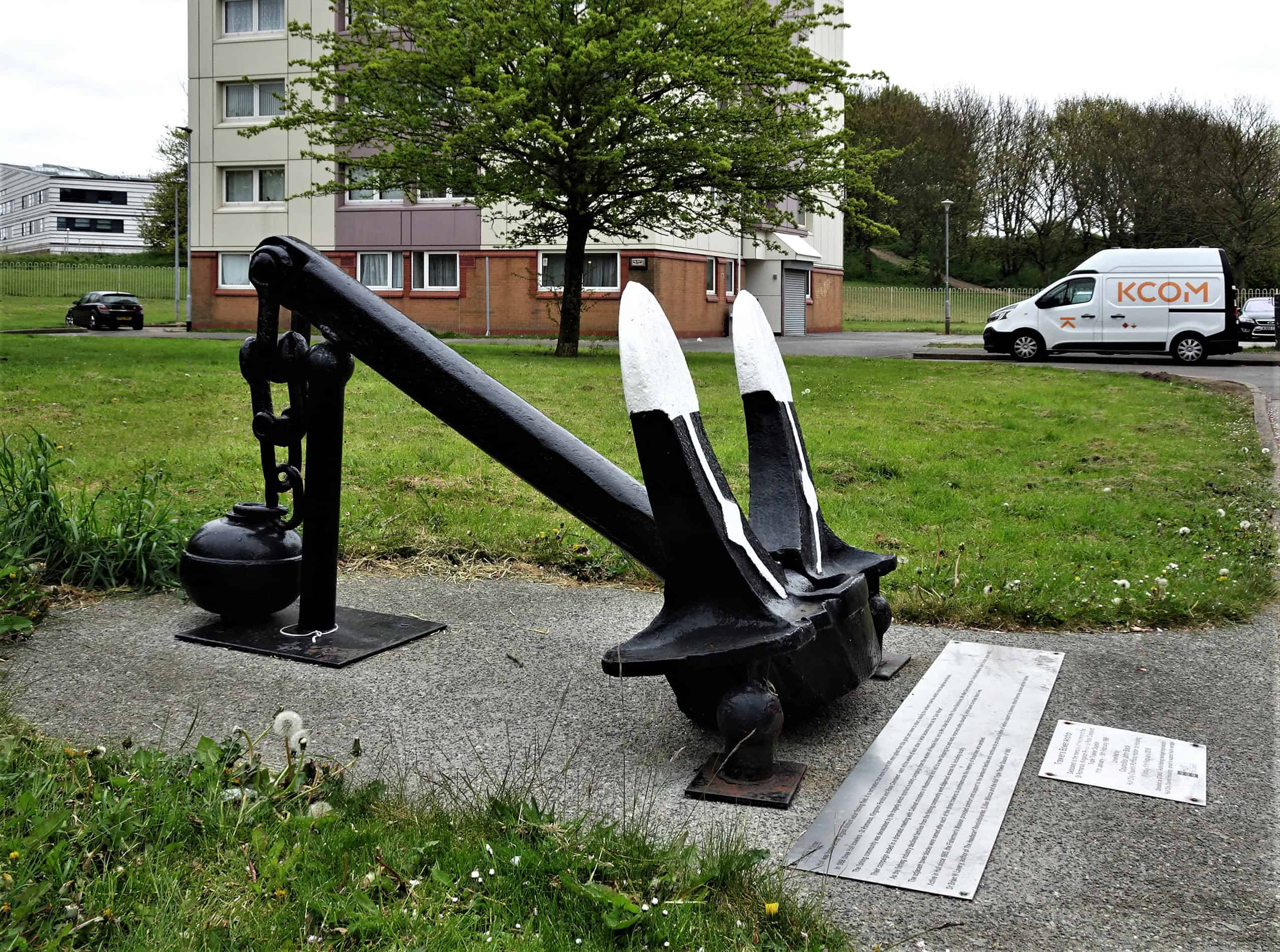
The Hull Triple Trawler Tragedy is one of the most haunting maritime disasters in British history. In just a few weeks during early 1968, three fishing vessels vanished into the icy North Atlantic. Fifty-eight men died. Only one survived. The losses came so fast, so brutally, that the fishing community of Hull barely had time to grieve one crew before another was gone. But beyond the raw numbers lies something far more disturbing , a web of missed warnings, ghostly radio silences, and a final transmission so heartbreaking it still echoes today. This wasn’t just a disaster. It was a slow-motion nightmare that nobody stopped in time.
The Hull Triple Trawler Tragedy Begins: Three Ships, Three Disappearances
The first ship to vanish was the St Romanus. She sailed from Hull on January 10, 1968. That same evening, her crew made radio contact. Then silence.
What makes this disappearance so chilling isn’t just the loss. It’s the delay. Despite a company policy requiring daily position reports, nobody raised the alarm until January 26. That’s over two weeks of silence. Two weeks where families waited. Two weeks where nothing was done.
Then came a grim discovery. A liferaft found floating on January 13 , thirteen days before the alarm was even raised , had come from the St Romanus. The ship was already gone. Her crew of 20 were already dead. And nobody knew.
Worse still, an official inquiry later revealed that another ship had heard a mayday call from the St Romanus on January 11. One day after she sailed. That ship never passed the message on.
Twenty men. A mayday call heard and ignored. A liferaft drifting for days before anyone connected the dots.
The second vessel, the Kingston Peridot, also left Hull on January 10. By late January she was fishing off north-east Iceland in brutal weather. She radioed another trawler to report dangerous ice build-up on her hull and superstructure. She said she was moving east to join them. That was her last transmission. One of her liferafts washed ashore on January 29. She had likely sunk on January 27. News of her loss reached Hull on January 30 , the same day hope finally died for the St Romanus.
Two ships. Forty men. Gone within weeks of each other.
The Hull Triple Trawler Tragedy’s Most Terrifying Night
This event shares similarities with: Soviet evacuation of Tallinn: The Tragic Naval Disaster of August 1941
The third loss was the one that burned itself into history.
The Ross Cleveland sailed on January 20, before the first two losses were even confirmed. She carried 19 men north toward Iceland. By early February, a ferocious storm was building. Hurricane-force winds. Blizzards. Ice forming so fast on the superstructure that ships became top-heavy and unstable.
The Ross Cleveland sheltered in a narrow inlet called Grænahlíð on Iceland’s north-west coast. Several other ships waited there too. The storm was described as exceptionally severe. Ice clung to radar equipment and masts. The vessels groaned under the weight.
On the evening of February 4, Captain Phil Gay attempted to move the Ross Cleveland from a dangerous position to a safer one. It was a desperate gamble. The storm won.
The ship was overwhelmed. She capsized and sank.
Her last radio message is one of the most haunting final transmissions ever recorded:
“I am going over. We are laying over. Help me. I am going over. Give my love and the crew’s love to the wives and families.”
Those words , spoken as a man and his crew were pulled under , were heard by other ships who could do nothing. The storm defeated every rescue attempt. That same terrible night, two more vessels were wrecked nearby. One was lost with all hands.
For a brief, terrible moment, it seemed nobody from the Ross Cleveland had survived. Then on February 6, mate Harry Eddom was found alive. He had washed ashore in a liferaft. Two other men had been in that raft with him. Both died of exposure before reaching land.
One survivor. Fifty-eight dead.
The Women Who Fought Back: Legacy of the Hull Triple Trawler Tragedy
Hull’s fishing community was tight-knit. The losses hit like a physical blow. But grief quickly turned into fury.
A fisherman’s wife named Lillian Bilocca refused to stay quiet. She organized meetings between trawlermen’s wives and vessel owners. She arranged for women to picket the docks. They demanded radio operators on every departing ship. They demanded safety reforms. They demanded that men stop dying in silence.
The national press called it the “Headscarf Campaign.” The name came from the headscarves worn by working women of the era. It sounds quaint. It wasn’t. These women were fierce, organized, and effective.
On February 5 , the very day the wives arrived at the dock to meet trawler owners , news broke of the Ross Cleveland sinking. The timing was devastating. And galvanizing. Bilocca and the women traveled to London the next day and met with government ministers directly. Trawler owners were instructed to implement new safety measures immediately.
The women of Hull changed an industry. They did it while still burying their dead.
Unanswered Questions and Lingering Shadows
Official inquiries were held into each sinking. The conclusions were unsatisfying. The St Romanus was lost on January 11 for reasons officially listed as “unknown.” The Kingston Peridot probably capsized around January 26 or 27. The Ross Cleveland was overwhelmed by storm and ice.
But the questions that linger are harder to answer.
Why was the mayday from the St Romanus never passed on? Who heard it and stayed silent? Why did it take sixteen days to raise the alarm for a ship that was already gone? How many men might have been saved if someone had acted faster?
The inquiries led to real changes. Safety requirements were tightened. Radio operators became mandatory. Working conditions in the British fishing industry were overhauled. An official committee led by Admiral Sir Deric Holland-Martin examined the entire industry.
But fifty-eight men were already dead. Their names are carved into Hull’s maritime history. Captain Phil Gay’s last words still hang in the cold air over the North Atlantic. Harry Eddom, the sole survivor, carried the weight of that night for the rest of his life.
The Hull Triple Trawler Tragedy didn’t just reshape fishing regulations. It exposed something darker , a system that treated men as expendable, that ignored distress calls, that waited sixteen days before asking where a ship had gone. Maritime safety records from the era show just how common such negligence was before 1968.
The sea took those fifty-eight men. But the silence of the people onshore? That’s the part that still haunts.
Related Posts
 Detroit Wayne (1919 Ship): The Cursed Freighter That Met Its Doom in the Graveyard of the Atlantic
 French Destroyer Framée: The Doomed Warship That Vanished in Minutes
 Women and Children First: The Deadly Maritime Code That Failed When It Mattered Most
 The Captain Goes Down with the Ship: The Eerie Code That Haunts Maritime History