
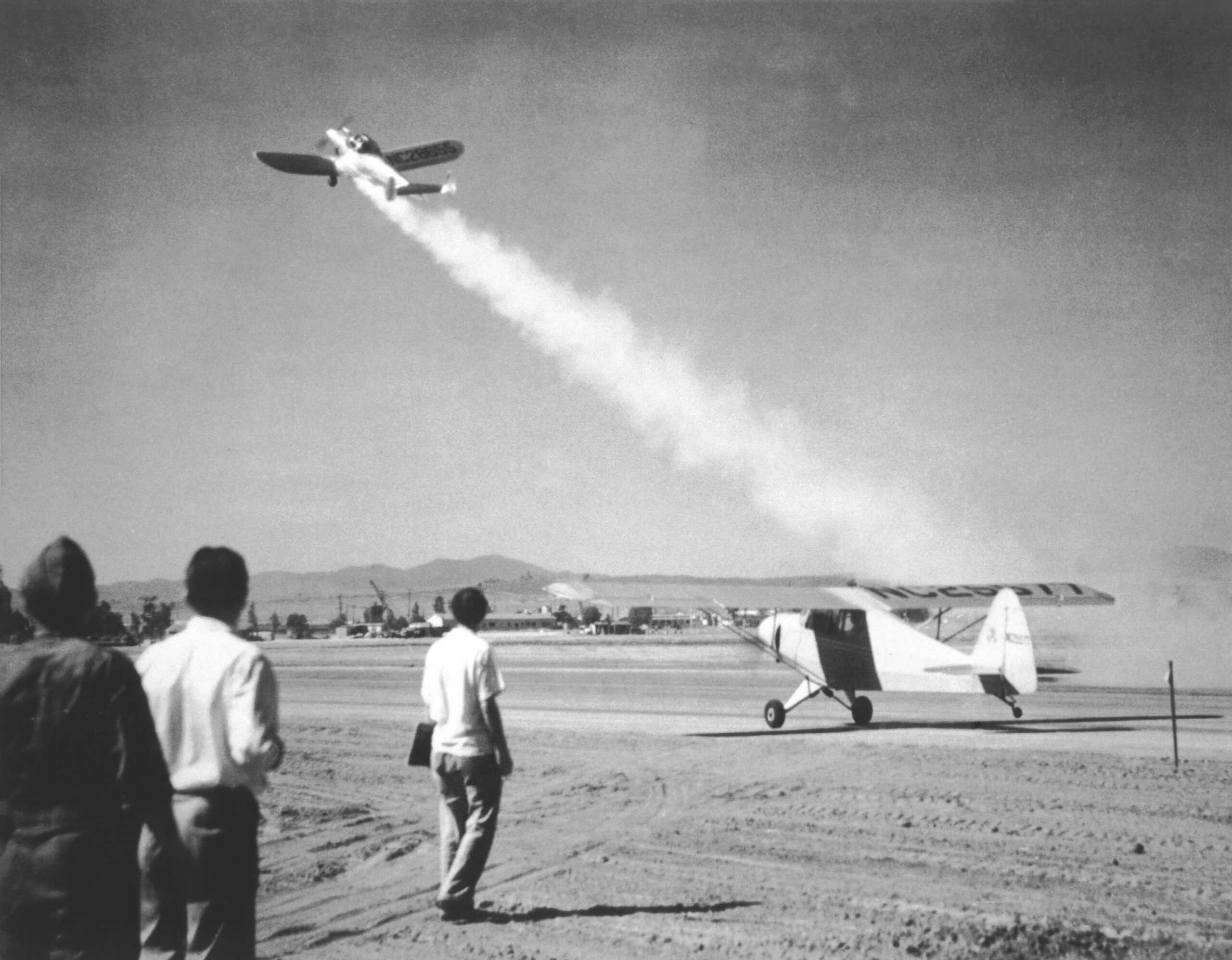
The Jato Rocket Car story stands as one of the most compelling urban legends ever to grip the American imagination. According to the tale, an unnamed Arizona man supposedly strapped a military jet-assisted takeoff unit to his 1967 Chevrolet Impala. The result? A spectacular death that would become the stuff of internet folklore. But this wasn’t just any ordinary hoax – it was a masterpiece of creative fiction that fooled millions.
The story first surfaced in the early days of the internet. It spread like wildfire through email chains and Usenet newsgroups. People couldn’t resist sharing this bizarre tale of automotive stupidity gone wrong. The legend claimed that Arizona Highway Patrol officers discovered a pile of smoldering metal embedded in a cliff face. What they found defied explanation.
The Jato Rocket Car Legend Unfolds
The detailed account reads like a forensic nightmare. According to the story, investigators found scorched asphalt three miles from the crash site. This marked where the driver ignited his makeshift rocket system. The JATO unit would have generated maximum thrust within five seconds. The Chevy would have reached speeds exceeding 350 miles per hour.
The fictional report described the driver experiencing G-forces “usually reserved for dog-fighting F-14 jocks.” He would have become “insignificant for the remainder of the event.” The car supposedly stayed on the straight highway for 2.5 miles before the driver applied the brakes. The brakes melted completely. The tires exploded. Thick rubber marks scarred the road surface.
Then came the most dramatic part. The vehicle became airborne for 1.4 miles. It slammed into the cliff face at 125 feet high. The impact created a blackened crater three feet deep in solid rock. The Arizona Department of Public Safety eventually had to issue an official statement debunking the tale.
How the Jato Rocket Car Hoax Spread
This event shares similarities with: Spook Hill: Florida’s Mysterious Gravity-Defying Road That Captivated America
Paul Vixie played a crucial role in the legend’s creation. He wrote the introduction that first mentioned “Darwin Awards.” This was 1990, long before the Darwin Awards became a real internet phenomenon. Vixie credited Charles Haynes with the nomination. But it was Vixie’s specific wording that went viral.
The story remained dormant for years. Then in 1995, it resurfaced on rec.pyrotechnics. Someone had stripped away the email headers. Three days later, the introduction merged completely with the main story. It appeared on rec.humor in its most infectious form.
The timing was perfect. The internet was expanding rapidly. Email was becoming mainstream. People loved sharing outrageous stories. Within a month, the tale appeared on Usenet 24 times. By 1996, someone added even more details. They specified the car’s year of manufacture. They included technical data about G-forces.
The Cult of the Dead Cow hacker group published an elaborate backstory in 1998. They claimed four young men found JATO units in a junk pile. The story described “scouting, welding, drinking, and Rube Goldberg engineering.” This version attempted to explain how the rocket car came to be.
MythBusters Takes on the Rocket Car Story
The legend reached its peak when MythBusters decided to test it. Their pilot episode in 2003 was titled “Jet Assisted Chevy.” Adam Savage and Jamie Hyneman wanted to see what would really happen. They obtained actual JATO units from the military. They found a 1967 Chevrolet Impala to match the story.
The results were far less dramatic than the legend claimed. The car accelerated quickly but didn’t reach anywhere near 350 mph. It didn’t become airborne for miles. There was no spectacular cliff impact. The MythBusters team concluded the story was “busted.” Their scientific approach finally put the legend to rest for many believers.
But the show’s debunking didn’t kill the story entirely. It continued circulating through email chains. New internet users discovered it regularly. The tale had achieved something remarkable – it had become a permanent part of digital folklore.
The Psychology Behind the Legend
Why did this particular story capture so many imaginations? The Jato Rocket Car combined several irresistible elements. It featured spectacular destruction. It involved cutting-edge military technology. It told of one man’s ultimate folly. The story felt plausible enough to believe but crazy enough to share.
The legend also arrived at the perfect moment in internet history. Email forwarding was new and exciting. People hadn’t yet developed skepticism about viral content. The story’s technical details made it seem authentic. References to specific speeds, distances, and G-forces gave it credibility.
The tale tapped into deep American fascinations. We love stories about automotive excess. We’re drawn to tales of spectacular failure. The idea of someone strapping a rocket to a car appeals to our sense of rebellious innovation. Even knowing it’s false, the story remains entertaining.
Fact-checking websites like Snopes have thoroughly documented the story’s fictional nature. But the Jato Rocket Car refuses to die completely. It represents something larger than itself – our willingness to believe in the extraordinary, even when logic suggests otherwise.
The Jato Rocket Car story remains one of the internet’s most successful hoaxes. It fooled government agencies, inspired television shows, and entertained millions. In an age of instant fact-checking, it serves as a reminder of how easily compelling fiction can masquerade as truth. The legend lives on, not because people believe it happened, but because they wish it could have.
Related Posts
 Alligator Bait: The Disturbing Racist Imagery That Haunted American Popular Culture
 De Grote Donorshow: The Dutch Television Hoax That Sparked Global Outrage
 Dancing Plague of 1518: When Hundreds Danced Themselves to Death in Medieval Strasbourg
 Folkton Drums: The Mysterious Neolithic Objects That May Have Measured Ancient Britain