
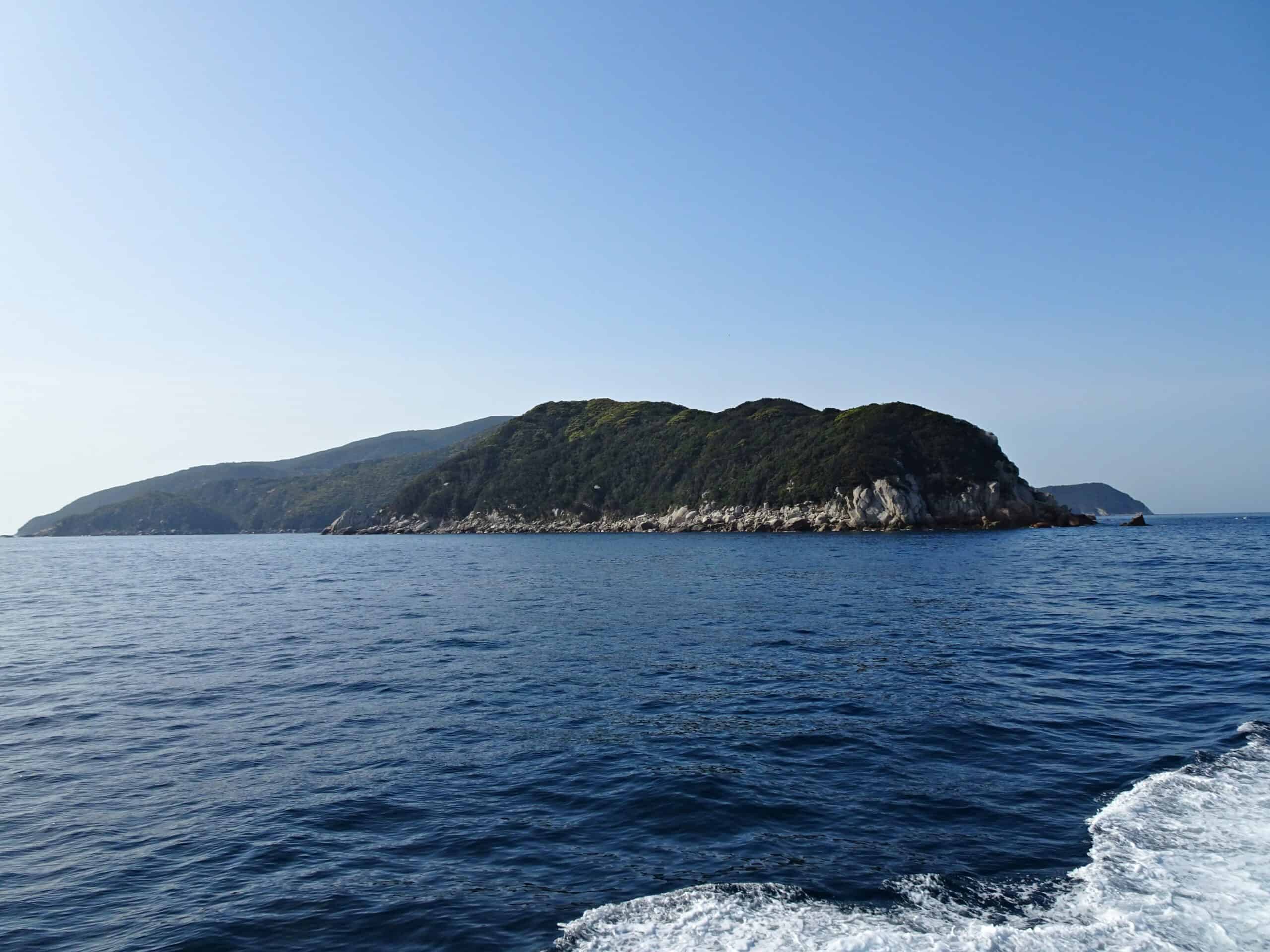
Okinoshima stands as Japan’s most enigmatic and terrifying sacred island, where ancient gods allegedly dwell and women face a complete ban that has lasted over 1,000 years. This remote outcrop in the Sea of Japan has earned chilling nicknames like “The Unspoken One” and “Island of Mystery.” For centuries, visitors have reported supernatural encounters, unexplained phenomena, and deadly consequences for those who dare violate its sacred taboos.
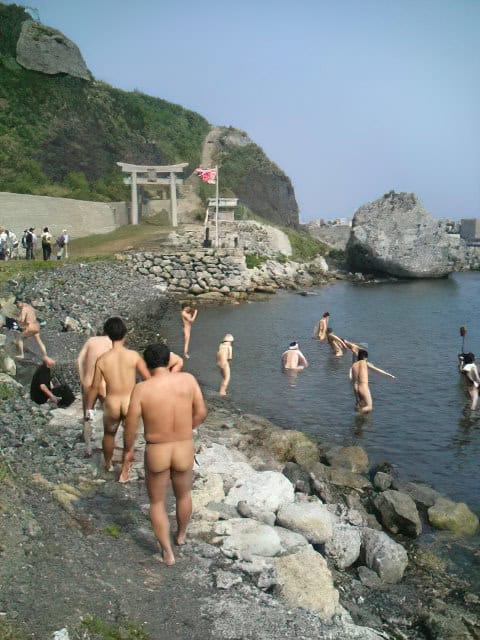
The island’s reputation for supernatural terror stems from strict religious prohibitions that seem almost otherworldly in their severity. Men must perform naked water purification rituals in freezing ocean waters before setting foot on the island. Nothing can be removed from Okinoshima – not even a single pebble or blade of grass. Most unsettling of all, visitors cannot speak about their experiences on the island to anyone, ever.
The Kuroda Nagamasa Curse and Supernatural Retribution on Okinoshima
The most chilling tale from Okinoshima involves feudal lord Kuroda Nagamasa in the early 1600s. Defying sacred taboos, he collected precious offerings from the island’s shrine and displayed them in his castle tower. What happened next terrified an entire region and cemented the island’s reputation for supernatural vengeance.
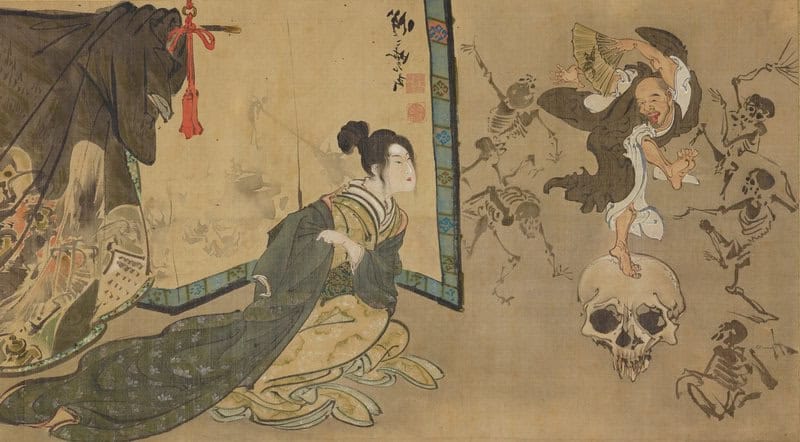
According to historical accounts, Nagamasa’s castle tower began shaking violently without explanation. Bright, mysterious objects streaked across the sky above his domain. Diseases swept through his people like a biblical plague. The supernatural assault continued relentlessly until Nagamasa, desperate and terrified, returned every stolen artifact to Okinoshima. Only then did the paranormal attacks cease.
This legend established a pattern of supernatural retribution that locals still fear today. The island’s gods don’t forgive transgressions lightly. They demand absolute respect and exact terrible prices from those who violate sacred laws.
Archaeological Mysteries and Unexplained Discoveries on Okinoshima
Another fascinating historical case is: Tunguska Event: The Mysterious Siberian Explosion That Defies Explanation
Modern archaeological investigations have only deepened Okinoshima’s mysteries rather than solving them. Over 80,000 ancient artifacts have been discovered on the island, creating what experts call an “impossible” archaeological site. These treasures span centuries and include items from across Asia, suggesting international religious significance that historians can’t explain.
Recent discoveries have baffled researchers even further. In 2025, scientists documented over 4,200 metal objects using advanced X-ray analysis. They found a gold-inlaid spear sheath featuring phoenix motifs and tortoise-shell geometry – the earliest such artifact in East Asia. But who brought these treasures across dangerous waters? Why were they abandoned for centuries?
The island’s archaeological record raises disturbing questions that remain unanswered. How did such an extensive cache of international treasures end up on this remote island? What rituals required such elaborate offerings? Most unsettling of all – why did these practices suddenly stop in the 9th century, leaving the treasures forgotten until modern times?
The Complete Ban on Women and Ancient Taboos of Okinoshima
Perhaps no aspect of Okinoshima is more mysterious than its absolute prohibition against women. This ban has persisted for over 1,000 years, with locals claiming that female presence would enrage jealous goddess spirits who inhabit the island. These divine entities allegedly cause natural disasters, diseases, and death when their domain is violated by women.
The taboos extend far beyond gender restrictions. Only one Shinto priest can inhabit the island at any time, serving ten-day rotations in complete isolation. Visitors must undergo ritual purification and can never speak about their experiences. Even looking back at the island while departing is considered dangerous.
Female researchers have been forbidden from setting foot on Okinoshima, with one academic only permitted to observe from two kilometers away in 2017. Popular belief holds that women’s “bodily impurities” upset the local deities, who respond with calamitous supernatural punishment. These restrictions have intensified since UNESCO granted the island World Heritage status in 2017.
Modern Encounters and Continuing Supernatural Phenomena
Even today, Okinoshima continues to generate reports of unexplained phenomena and supernatural encounters. The island’s lone priest inhabitants describe strange experiences during their isolated vigils, though sacred oaths prevent them from sharing details with outsiders.
Wildlife on the island behaves unusually, with approximately 150,000 Streaked Shearwaters nesting there despite a severe rat infestation that should drive them away. This ecological anomaly has puzzled scientists who can’t explain why the birds remain in such hostile conditions.
Recent tightening of access restrictions has only added to the island’s mystique. The annual visit by 200 men to commemorate the 1905 Battle of Tsushima was canceled after UNESCO designation, leaving the island more isolated than ever. Historical newspaper accounts from the mid-20th century describe the island as a place where “gods and mortals should not meet.”
The mysteries of Okinoshima remain as impenetrable today as they were centuries ago. Its supernatural reputation continues to grow, fueled by unanswered questions and unexplained phenomena. This forbidden island stands as a testament to Japan’s most ancient and terrifying spiritual traditions, where breaking sacred taboos can still unleash consequences that defy rational explanation.
Related Posts
 Longyou Caves: China’s 2,000-Year-Old Underground Mystery That Defies Explanation
 Phaistos Disc: The Mysterious Clay Artifact That Defies All Attempts at Translation
 Biblical Conspiracy Theory: The Hidden Truth About Sacred Texts and Secret Societies
 Llangaffo: The Welsh Village Where Ancient Rituals Meet Modern Earthquakes