
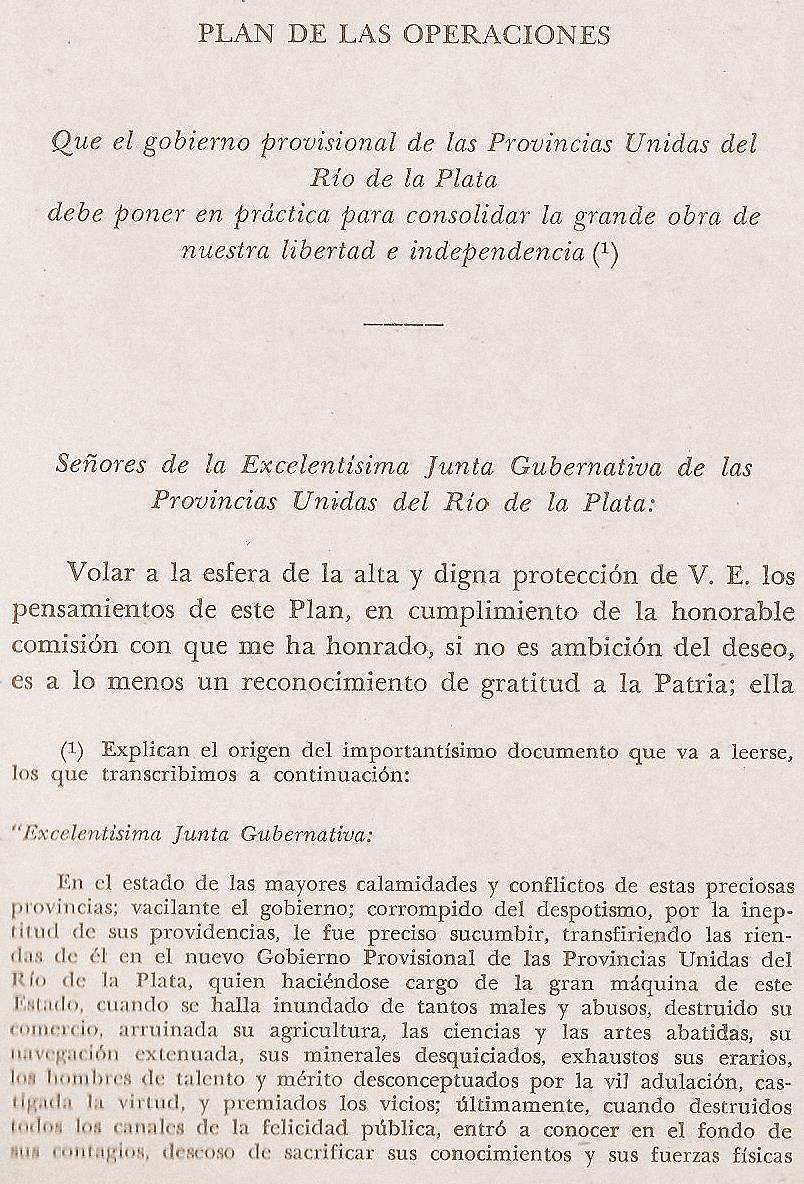
The Operations Plan emerged from the shadows of Argentina’s revolutionary period as one of history’s most controversial secret documents. Attributed to Mariano Moreno in 1810, this sinister blueprint allegedly outlined ruthless tactics for the Primera Junta to crush their enemies. Yet the document’s very existence remains shrouded in mystery. Some historians dismiss it as an elaborate literary forgery, while others believe it reveals the dark heart of revolutionary Argentina.
The plan’s origins are as murky as its content is chilling. According to believers, the document arose from a clandestine meeting between Moreno, Manuel Belgrano, and Juan José Castelli. The latter two supposedly requested that Moreno craft this revolutionary roadmap. By August 31, 1810, he had presented his terrifying vision to the entire Junta.
The Operations Plan’s Reign of Terror Strategy
The document reads like a handbook for revolutionary terror. It explicitly rejected political moderation as dangerous during revolutionary times. Instead, it embraced the brutal methods of the French Revolution’s Jacobins during their Reign of Terror. The plan divided society into three groups: loyalists, open enemies, and neutrals. Each category faced a different fate under this revolutionary scheme.
Loyalists would receive privileges and state positions, though the document warned against rushed promotions. Peninsulars,Spanish-born residents,faced a far grimmer destiny. The Operations Plan called for their careful surveillance and swift punishment. Wealthy or influential Peninsulars were to be executed upon the slightest proof of opposition. This policy eerily mirrored the actions taken against the Liniers counter-revolution and foreshadowed similar tactics later employed by Simón Bolívar.
The plan also demanded the creation of an extensive espionage network. Top enemy military and political figures faced immediate execution after capture. The Argentine War of Independence would be fought not just on battlefields, but in the shadows through surveillance and terror.
Media Control and the Operations Plan’s Propaganda Machine
For more strange history, see: Lead Masks Case: Brazil’s Most Baffling Unsolved Death Mystery
The document revealed a sophisticated understanding of information warfare. It proposed giving broad press coverage to news benefiting the government while concealing harmful information. This media manipulation strategy showed remarkable foresight for its time. The plan recognized that controlling public perception was as crucial as controlling territory.
The Operations Plan also outlined military strategies beyond terror tactics. It dismissed a blockade against Montevideo as ineffective due to their naval supremacy. Instead, it proposed weakening the city by winning support from surrounding towns and villages. The document identified José Gervasio Artigas and José Rondeau as invaluable potential allies worth any resource to recruit.
Once Montevideo fell, the plan called for confiscating royalist ships and properties. Anyone unable to prove loyalty faced banishment to the Malvinas or Carmen de Patagones, or fifteen years of military service. The elderly would be spared hard labor but still faced exile. The document even addressed slavery, proposing to end the slave trade and emancipate slaves with Peninsular masters.
International Intrigue in the Operations Plan
The document’s international vision was equally ambitious and disturbing. It proposed destabilizing Brazil through revolutionary propaganda. Large numbers of Gazeta de Buenos Aires newspapers, filled with libertarian ideas and translated into Portuguese, would be distributed. The plan even suggested providing military support to slave revolts in Brazil.
Moreno viewed Britain as a potential ally against Spanish restoration. During conflicts, Britain could supply weapons and goods not produced locally. Critics labeled Moreno an Anglophile for this proposal, though supporters argued it was merely pragmatic revolutionary strategy.
The Operations Plan also urged support for patriots in Chile and Paraguay against local royalists. This revealed a continental vision for revolution that extended far beyond Argentina’s borders. The document painted a picture of coordinated revolutionary warfare across South America.
The Enduring Mystery of Authenticity
The debate over the document’s authenticity continues to divide historians. Those who believe it’s genuine point to its consistency with known revolutionary actions of the period. The harsh treatment of Peninsulars and the creation of surveillance networks did occur during this era. The document’s sophisticated political analysis and strategic thinking also suggest genuine revolutionary planning.
Skeptics argue the Operations Plan is too convenient, too perfectly villainous to be real. They suggest it may have been created later to discredit Moreno or the revolutionary movement. The document’s dramatic language and comprehensive scope seem almost theatrical to some critics.
Historical archives contain similar disputed documents from revolutionary periods worldwide, making definitive authentication challenging.
The Operations Plan remains one of Argentina’s most enigmatic historical documents. Whether genuine revolutionary blueprint or elaborate forgery, it captures the paranoid atmosphere and brutal calculations of revolutionary warfare. Its pages reveal how quickly idealistic movements can embrace terror tactics when faced with existential threats. The document stands as a chilling reminder that even liberation movements can harbor dark secrets in their founding moments.
Related Posts
 Biblical Conspiracy Theory: The Hidden Truth About Sacred Texts and Secret Societies
 Mysterious Drone Incursions at Belgian Military Bases and Nuclear Facilities: Silent Watchers in the Night
 Beale Ciphers: America’s Greatest Unsolved Treasure Mystery
 Chiemsee Cauldron: The Nazi Gold Mystery Hidden Beneath Bavarian Waters