
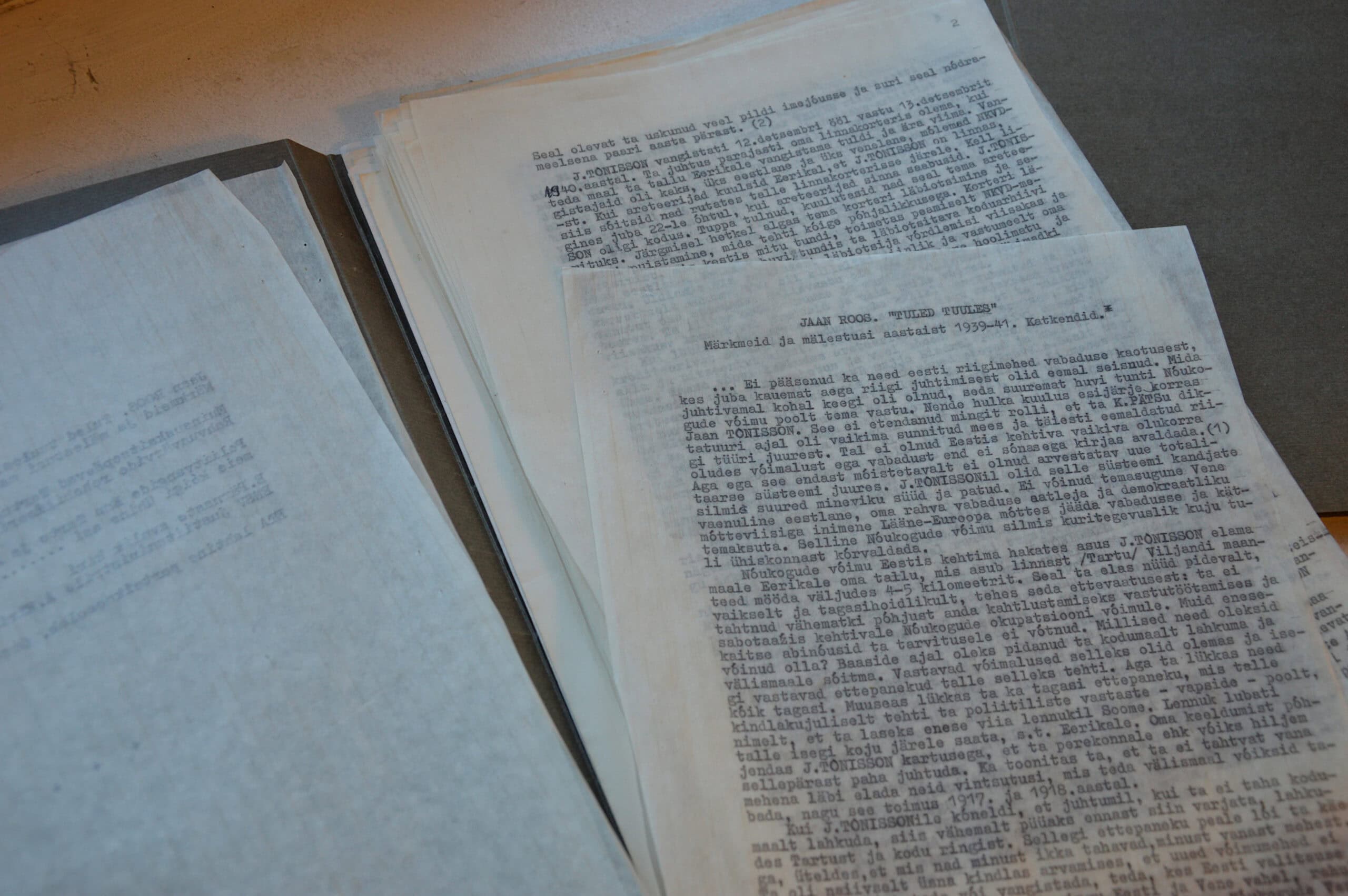
In 2004, a strange document emerged from the shadows of the tech world. Samizdat: and Other Issues Regarding the ‘source’ of Open Source Code landed like a grenade in the open-source community. Written by Kenneth Brown of the Alexis de Tocqueville Institution, it made a shocking claim. It accused Linus Torvalds , the creator of Linux , of stealing code. The report suggested that no mere student could have built an entire Unix-like kernel alone. It implied something darker was going on. The timing was suspicious. The methodology was questionable. And almost everyone named in the report immediately denied supporting its conclusions. This wasn’t just a tech dispute. It had the eerie hallmarks of a coordinated smear campaign , one that collapsed almost as soon as it was published. The story of this report is a strange chapter in computing history. It involves Soviet-era metaphors, denied quotes, secret code comparisons, and a document that essentially vanished before it ever truly existed.
What Was Samizdat: and Other Issues Regarding the ‘source’ of Open Source Code?
The title itself was a clue. Samizdat was a Soviet-era practice. Dissidents would secretly copy and pass around banned literature. The KGB hunted people who did it. Brown used this term deliberately. He compared open-source code sharing to underground Soviet document smuggling. That’s a loaded comparison. It painted Linux developers as operating in some kind of digital black market.
The report’s core argument was this. Torvalds was a young student in Finland in the early 1990s. He created Linux 0.01. Brown argued that was simply impossible without help , specifically, without copying code from Minix. Minix was a small Unix-like operating system created by Andrew Tanenbaum for teaching purposes. Brown claimed Torvalds must have lifted code from it. The implication was that Linux , the operating system powering millions of servers worldwide , was built on stolen foundations.
The report went further. It argued that the GNU General Public License was bad for the economy. It called for $5 billion in government funding to create an alternative “free source” program. It pushed for expanded patent protections. Critics immediately noticed something. These recommendations perfectly aligned with the interests of Microsoft and other proprietary software companies. The Alexis de Tocqueville Institution had received funding from Microsoft in the past. That detail didn’t escape anyone’s attention.
The Witnesses Against Samizdat: and Other Issues Regarding the ‘source’ of Open Source Code
Related article: List of Bridge Failures Throughout History: Lessons from Catastrophic Collapses
Here’s where things get genuinely strange. The report cited several prominent figures as sources. Those figures then came forward and denied supporting its conclusions. It was like watching a magic trick fall apart in slow motion.
Andrew Tanenbaum himself , the creator of Minix , publicly rejected the report’s claims. He stated clearly that Linux was not derived from Minix source code. This was devastating. Tanenbaum was the entire foundation of Brown’s argument. If the man who wrote Minix said there was no copying, the theory crumbled.
Dennis Ritchie, one of the original creators of Unix, also repudiated the report. Richard Stallman, founder of the GNU Project, did the same. Others named in the report said their quotes came from message board posts or unpublished journal papers , not from interviews with Brown’s institution as claimed.
Then came the most damning revelation. Brown had actually commissioned a researcher named Alexey Toptygin to compare the Minix and Linux 0.01 source code directly. Toptygin did the work. He found no evidence that Minix code had been copied into Linux. Brown never mentioned this in the report. He buried the finding that disproved his own thesis. That’s not sloppy research. That’s something else entirely.
The Strange Disappearance of Samizdat: and Other Issues Regarding the ‘source’ of Open Source Code
The report never received a proper commercial release. The prerelease PDF circulated online before the backlash hit. Then the distributor quietly delisted it. It vanished from official channels almost as quickly as it appeared. For a document making such explosive claims, it left almost no official trace.
This disappearing act gave the whole affair an unsettling quality. The open-source community had fought back hard and fast. Tech journalists dismantled the report’s arguments within days. The people quoted in it denied their quotes. The researcher hired to prove the thesis proved the opposite instead.
The Soviet-era framing of the title ended up being darkly ironic. Declassified CIA documents on Soviet society describe how suppressed information circulated underground precisely because official channels couldn’t be trusted. Brown tried to cast Linux developers as shadowy samizdat operators. But in the end, it was his own report that circulated only underground , passed around as a PDF curiosity, never legitimately published, never officially supported.
The report’s recommendations about government funding and patent expansion also went nowhere. The $5 billion open-source program never materialized. The calls for expanded intellectual property filings faded away. What remained was a cautionary tale about motivated reasoning and the dangers of burying inconvenient data.
Why This Strange Episode Still Matters Today
The story of this report matters beyond the technical debate. It reveals how easily credible-sounding accusations can spread , even when the evidence doesn’t exist. Brown used real names, real institutions, and real terminology. He created something that looked like scholarship. It took genuine experts stepping forward to dismantle it piece by piece.
The open-source community’s response was remarkably swift. Tanenbaum posted a detailed rebuttal online within days. Other named sources followed. The technical community fact-checked the report in real time. This was unusual for 2004. Social media didn’t exist in the way it does now. Yet the collective response moved fast enough to stop the report from gaining mainstream traction.
There’s also something haunting about Toptygin’s hidden study. He did the work. He found no evidence of copying. Brown knew this. He published the accusation anyway. That buried report , the one that proved nothing was stolen , is the ghost at the heart of this whole strange affair.
Linux, of course, survived. It runs the servers behind most of the internet today. Android devices run a Linux kernel. The report that tried to delegitimize it is now a footnote. But it’s a strange and unsettling footnote , a reminder that even foundational technologies can become targets of coordinated attacks dressed up as academic inquiry.
—
Samizdat: and Other Issues Regarding the ‘source’ of Open Source Code remains one of the strangest documents in computing history. It accused a student of theft. It cited sources who denied being sources. It buried the evidence that contradicted its own claims. And then it quietly disappeared. The whole episode reads less like a research report and more like something that deserved its own Soviet-era metaphor , a document that couldn’t survive contact with the truth.
Related Posts
 Buytigers.com: The Internet Hoax That Fooled PETA and Exposed the Dark Side of Exotic Animal Trade
 Japanese Paleolithic Hoax: The Divine Hand That Fooled a Nation for Decades
 Blue Star Tattoo Legend: The LSD Scare That Terrified Parents for Decades
 Acinonyx Kurteni: The Fake Fossil That Fooled the World