Charlie Charlie challenge
The Charlie Charlie challenge is a divination game in which the putative answer to a yes–no question is found by waiting for a balanced pencil to point towards the word “Yes” or “No” written on a shee


 The Ghost
The Charlie Charlie challenge is a divination game in which the putative answer to a yes–no question is found by waiting for a balanced pencil to point towards the word “Yes” or “No” written on a shee
Angikuni Lake, a remote body of water in the Canadian Arctic, has long been shrouded in mystery. In 1948, Canadian explorer Farley Mowat stumbled upon a peculiar cairn on the lake’s shore, sparking a flurry of speculation about its origins. The enigmatic monument, constructed in a style unfamiliar to the local Inuit, has become a fascinating footnote in the history of Arctic exploration.

Tarrare, a French showman and soldier, was known for his extraordinary appetite and eating habits, which earned him notoriety in 18th-century France. Born around 1772 near Lyon, Tarrare’s insatiable hunger led him to consume vast amounts of food, including live animals and unusual items. His condition has been the subject of much speculation and medical experimentation.
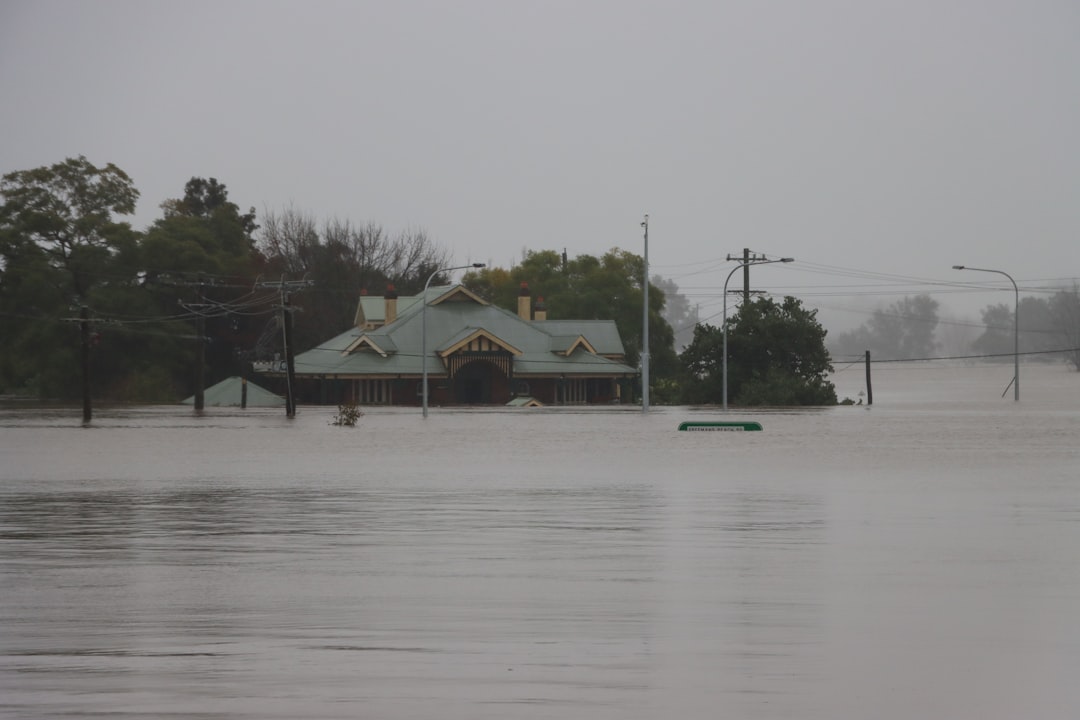
On a typical winter day in Boston’s North End, a storage tank containing over 2.3 million gallons of molasses burst, unleashing a giant wave of the sticky liquid into the streets. The Great Molasses Flood, as it came to be known, was one of the most bizarre and devastating industrial accidents in American history. The disaster occurred on January 15, 1919, and its impact was felt for years to come.
For centuries, the Curse of the Pharaohs has captivated the imagination of people around the world, sparking debate and fascination about the alleged supernatural consequences of disturbing the tombs of ancient Egyptian pharaohs. This legend has become an integral part of popular culture, with many believing that the curse is responsible for a string of mysterious deaths and misfortunes. But is there truth behind this enduring myth, or is it simply a product of folklore and superstition?

The exploding whale phenomenon, where a beached whale carcass bursts due to decomposition or explosives, has been a source of fascination and horror. One of the most widely reported cases occurred in Florence, Oregon, in 1970, when a sperm whale was intentionally blown up with dynamite. The resulting explosion sent whale flesh flying over 800 feet away, leaving a lasting impact on the community.
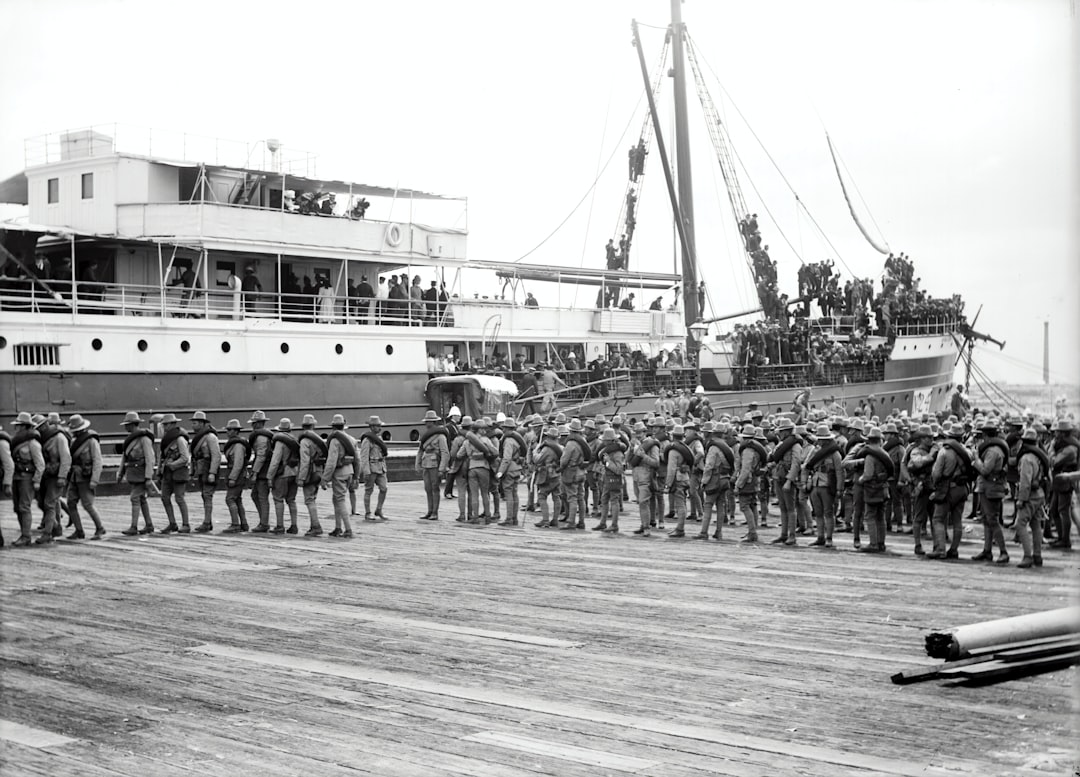
The Bone Wars: a Fossil Frenzy That Shaped Paleontology turned two respected scientists into bitter enemies who destroyed fossils and careers.

The Whole Stuffed Camel: a Satirical Dish with a Rich History exposed one of culinary history’s strangest deceptions and cultural myths.
On Christmas Eve, 1945, a fire destroyed the Sodder family’s home in Fayetteville, West Virginia. Five of the nine Sodder children were nowhere to be found, and despite a thorough investigation, no bodies were ever recovered. The Sodder children disappearance remains one of the most enduring unsolved mysteries in American history.
The Flannan Isles Lighthouse mystery is one of the most enduring unsolved enigmas in maritime history. In December 1900, three lighthouse keepers vanished without a trace from their remote outpost on the Flannan Isles, a rocky archipelago off the west coast of Scotland. The incident has sparked intense speculation and debate, with various theories attempting to explain the disappearance of James Ducat, Thomas Marshall, and Donald McArthur.