Eggnog Riot: The Christmas Mutiny That Nearly Destroyed West Point
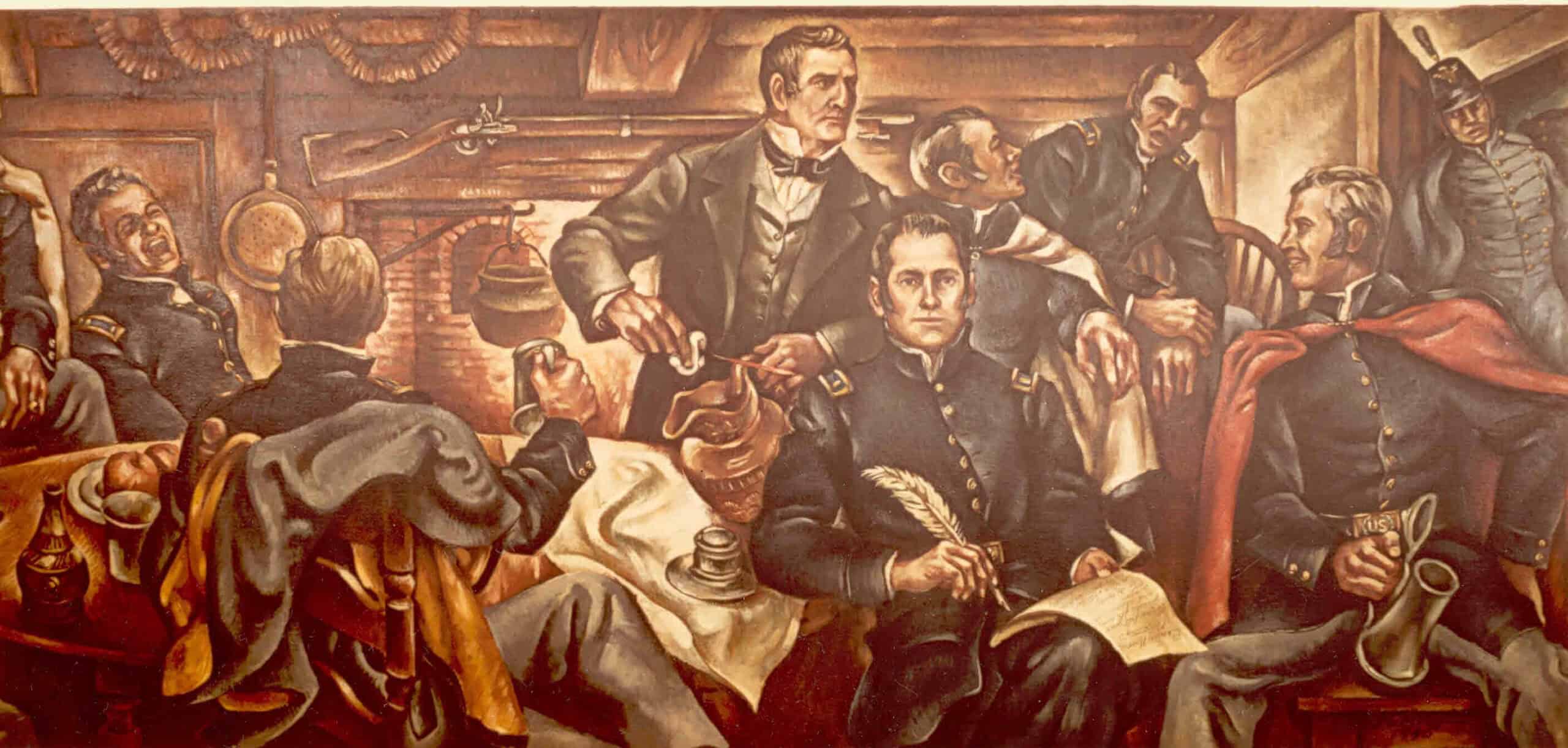
The Eggnog Riot of 1826 turned West Point’s Christmas into chaos when cadets smuggled whiskey, fired pistols, and battled officers.

Forgotten battles, mysterious military incidents, and wartime oddities.
The Eggnog Riot of 1826 turned West Point’s Christmas into chaos when cadets smuggled whiskey, fired pistols, and battled officers.
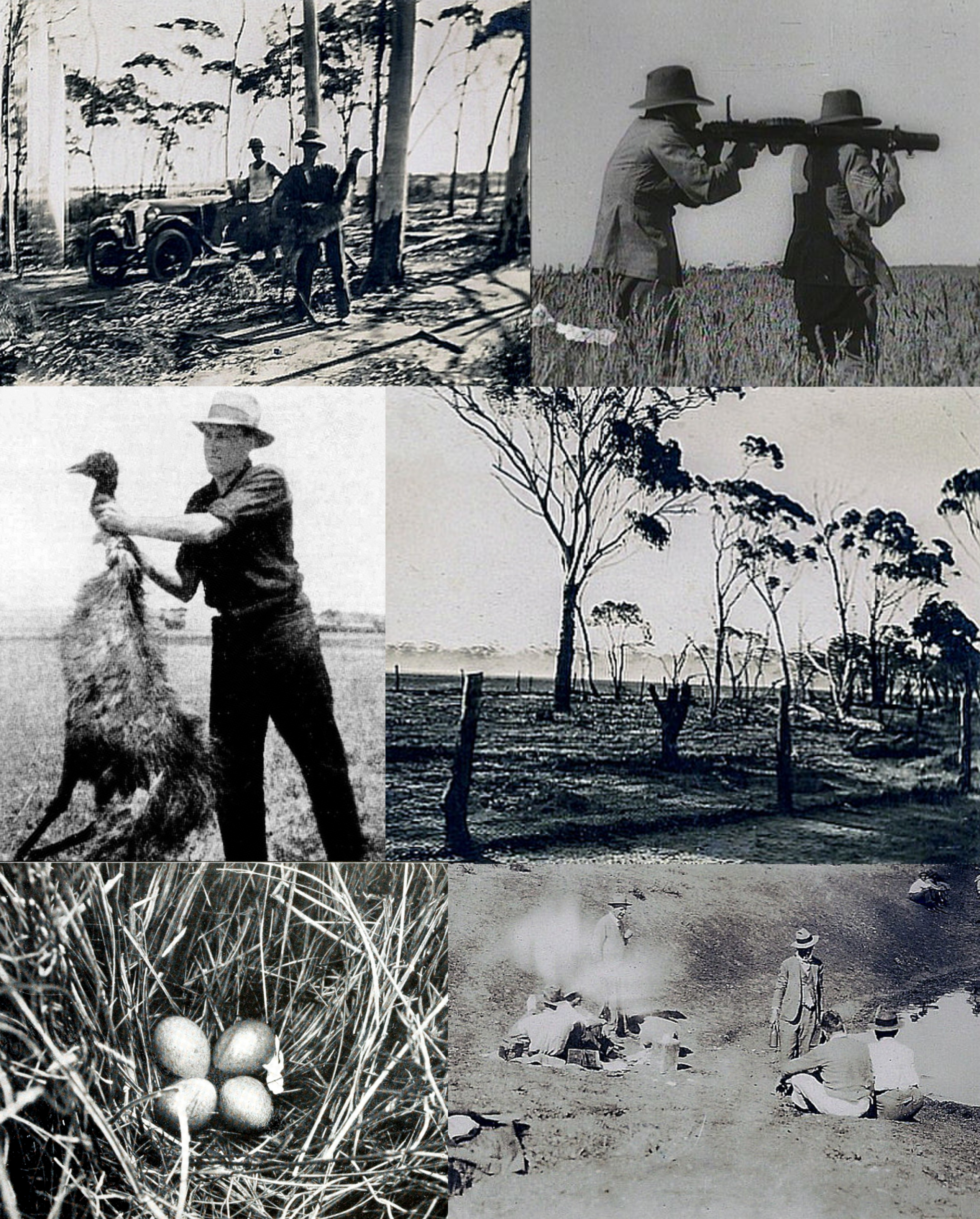
The Great Emu War of 1932 saw Australian soldiers with machine guns defeated by 20,000 emus in one of history’s strangest military failures.
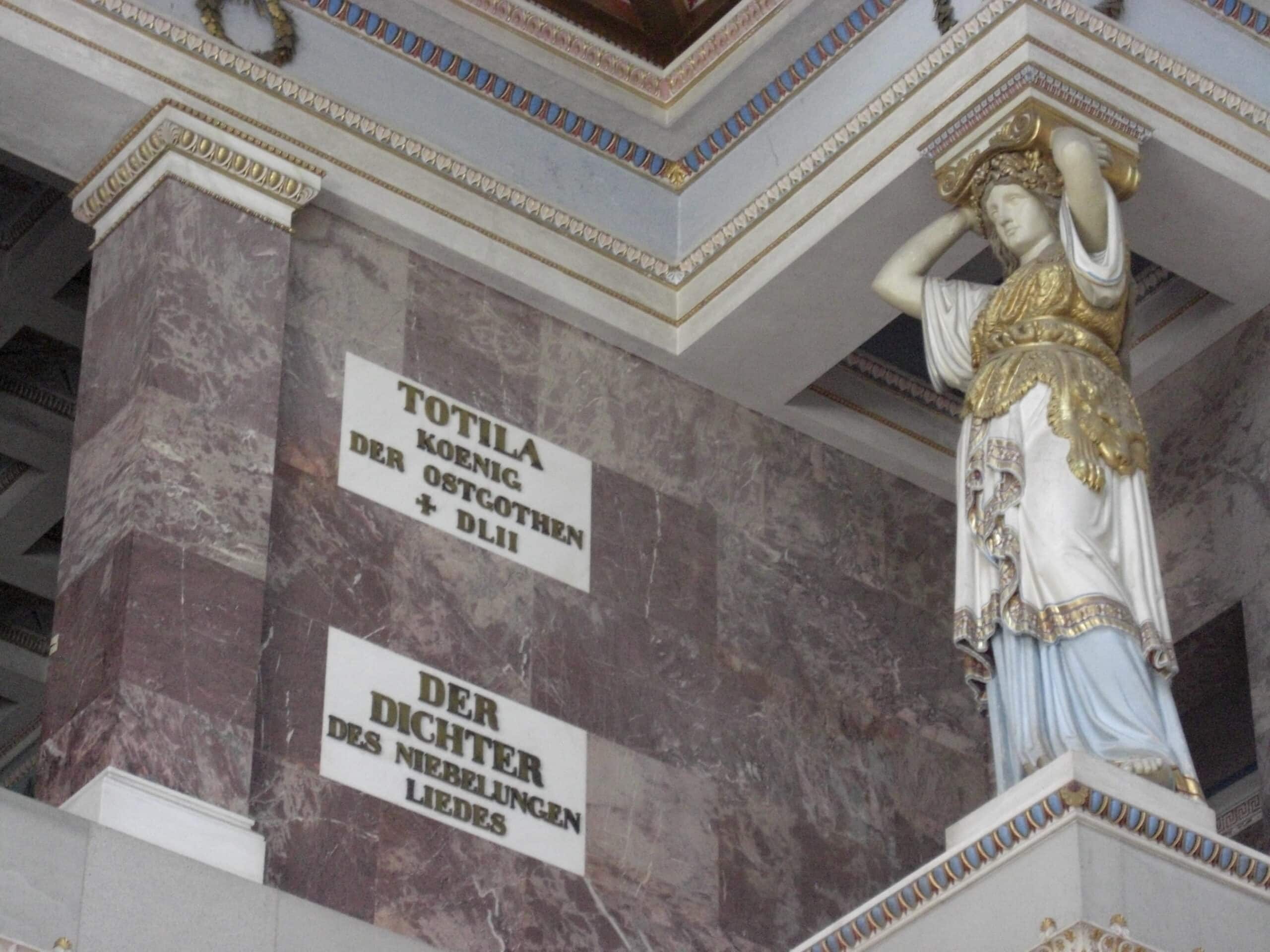
Ms Totila sank in 1944 during a desperate Nazi evacuation, killing up to 5,000 soldiers in one of WWII’s deadliest maritime disasters.
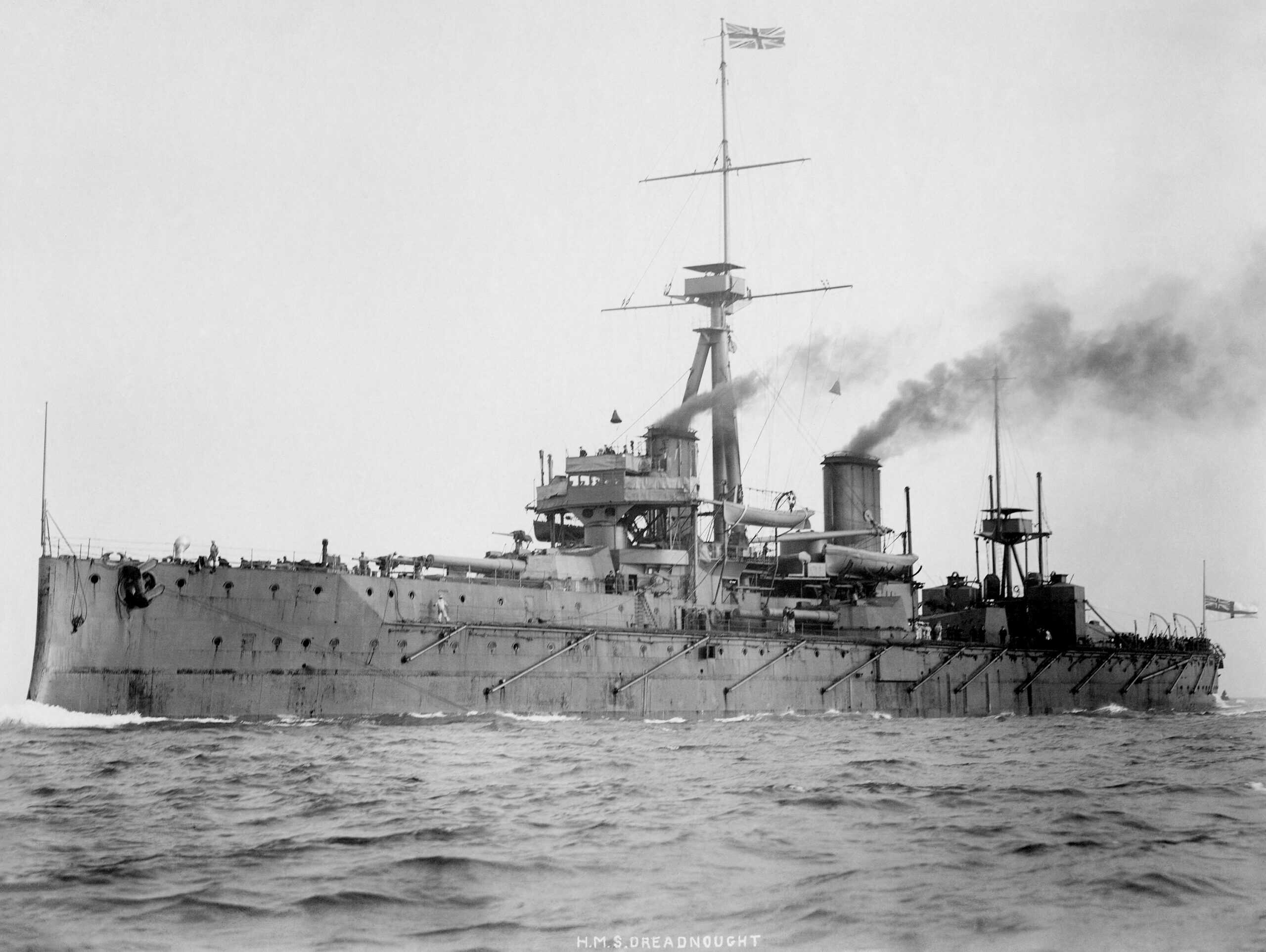
HMS Dreadnought (1660) mysteriously foundered off North Foreland in 1690, ending a career marked by bloody battles and strange omens.

Urban Riot incidents have shaped American cities since the 1860s. Explore the causes, consequences, and lasting impact of these explosive events.

András Toma was a Hungarian soldier captured in 1944 who spent 56 years in Soviet captivity, becoming likely the last WWII POW to return home.
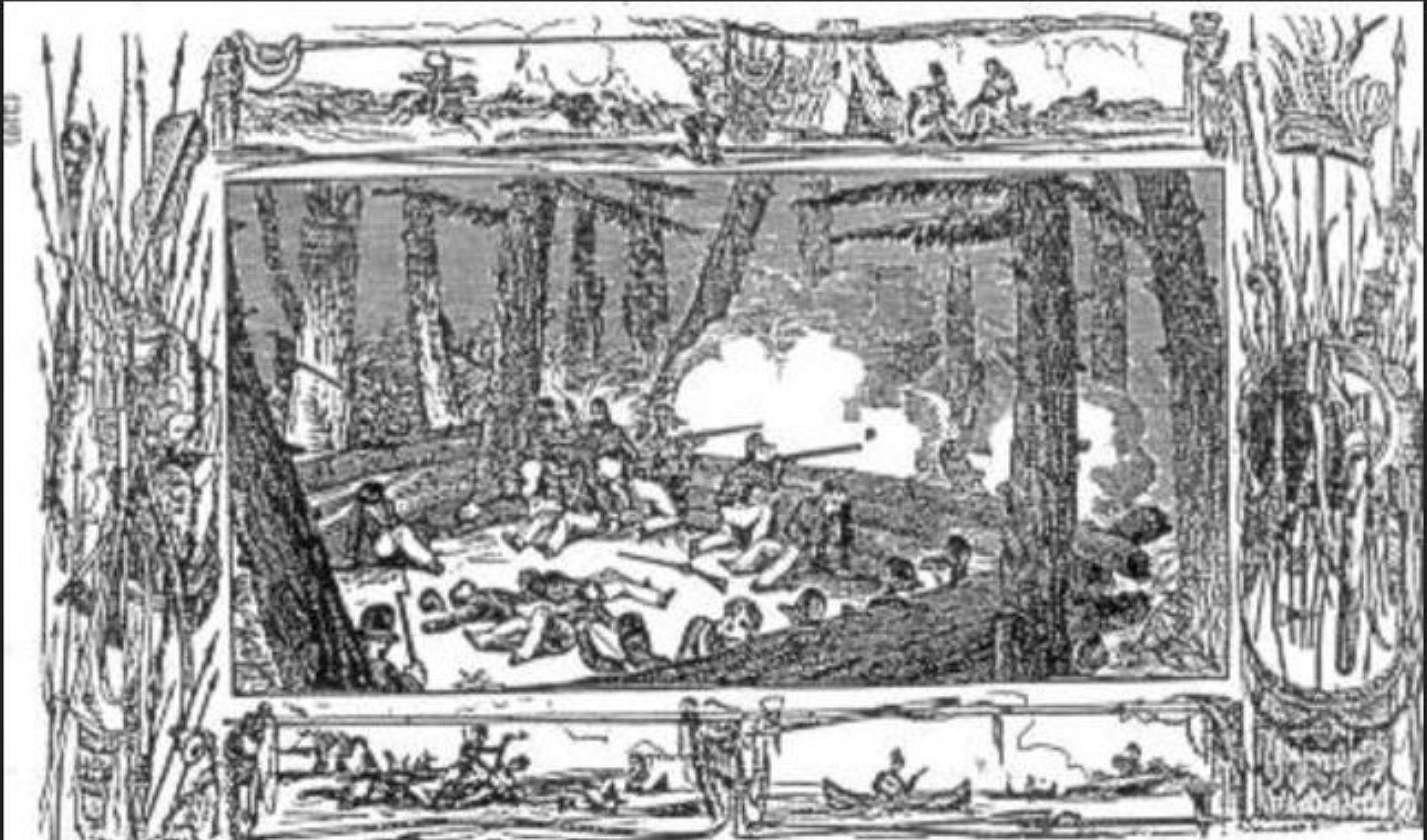
The Dade battle of 1835 was a devastating military defeat that killed 108 U.S. soldiers and ignited the Second Seminole War in Florida.
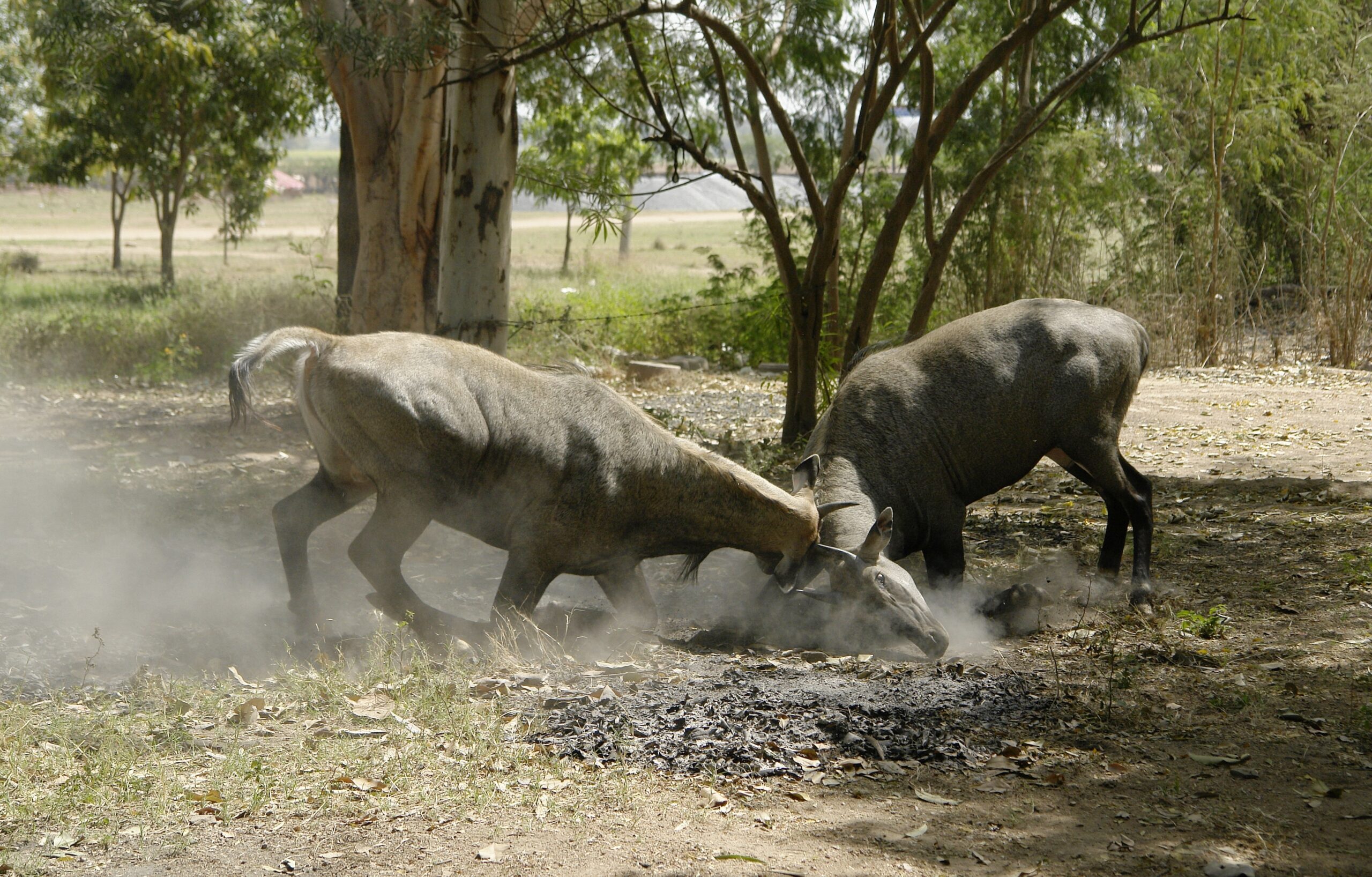
Street Fighting Throughout History: From Ancient Combat to Modern Urban Violence reveals the brutal gang wars that terrorized New York’s Five Points.
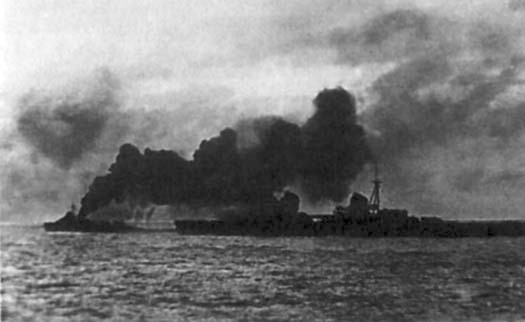
The Soviet evacuation of Tallinn in August 1941 became one of WWII’s deadliest naval disasters, with over 12,000 casualties during the Baltic Fleet’s escape.
The Philosophy of conspiracy theories is a fascinating branch of academic study that delves into the phenomenon and history of conspiracy theories. Conspiracy theories have been a staple of human curiosity, often providing alternative explanations for events or situations. The academic study of these theories has sparked a heated debate among philosophers, with some arguing that they should be treated with prima facie skepticism.