
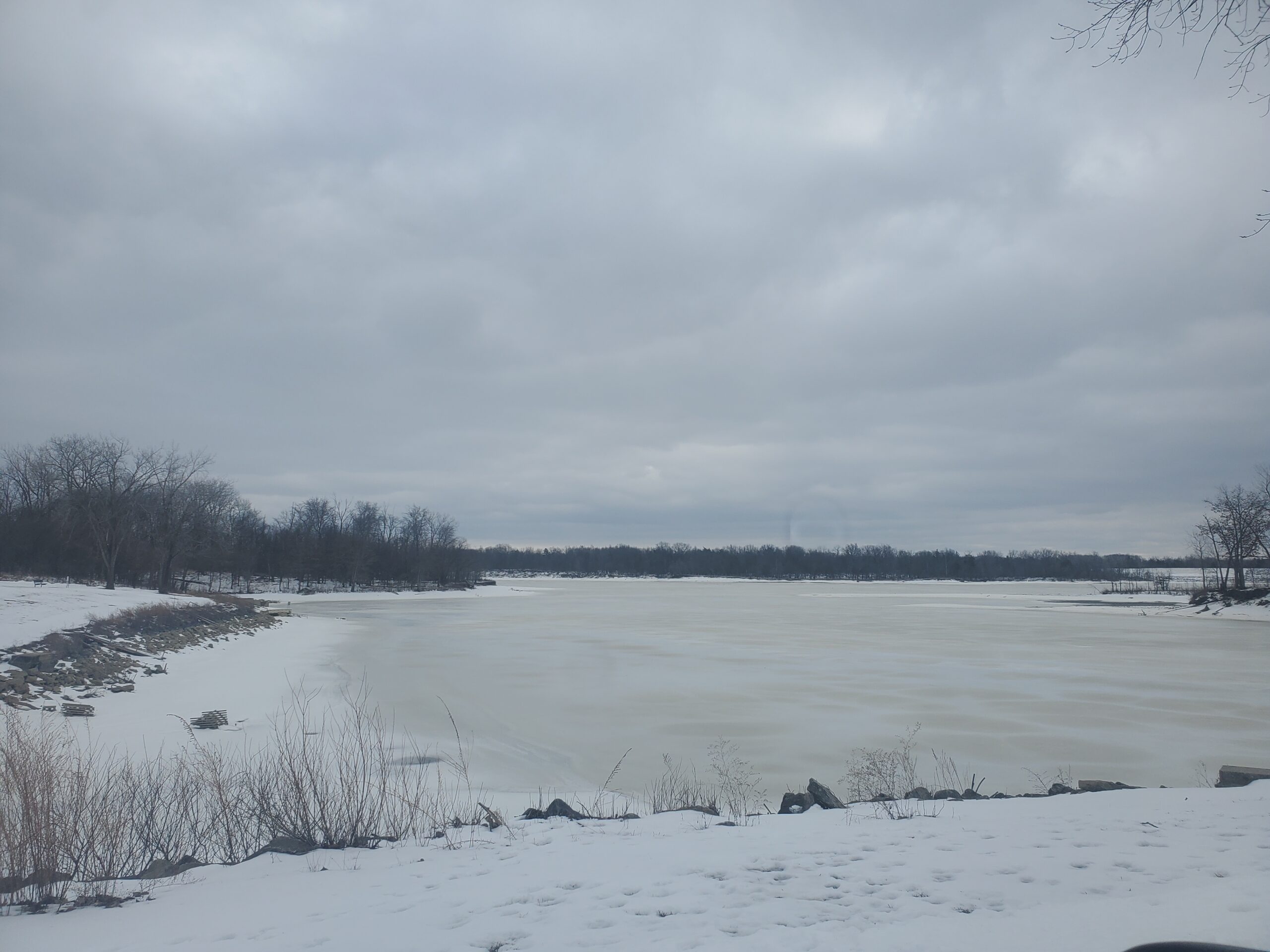
Coles Mills, Ohio stands as one of Delaware County’s forgotten ghost towns. This small settlement once thrived in the mid-1800s but disappeared into history. The town’s exact location remains unknown today, lost to time and development.
The community centered around the mills that gave it its name. Joseph C. Cole operated both a sawmill and gristmill here. These mills served the surrounding agricultural area during Ohio’s westward expansion period.
The Founding and Early Days of Coles Mills, Ohio
Coles Mills, Ohio began its brief existence in the 1840s. The settlement took shape around Joseph C. Cole’s industrial operations. Cole established his sawmill and gristmill to serve local farmers and settlers.
The sawmill processed timber from the heavily forested region. Delaware County contained vast woodlands during this period. Settlers needed lumber for homes, barns, and other structures. Cole’s sawmill met this crucial demand.
The gristmill ground grain into flour and meal. Local farmers brought their wheat, corn, and other grains here. This service was essential for frontier communities. Without nearby mills, farmers faced long journeys to process their crops.
A post office opened in Coles Mills in 1841. This marked the town’s official recognition by federal authorities. The Ohio History Connection documents many similar mill towns from this era. Post offices connected these remote settlements to the outside world.
Daily Life in the Historic Settlement of Coles Mills, Ohio
This event shares similarities with: The Oak Island Mystery: Unveiling the Enigmatic Treasure Hunt
Life in Coles Mills, Ohio revolved around the mills and farming. The community remained small throughout its existence. Most residents worked in agriculture or supported the mill operations.
The sawmill created jobs for local men. Workers cut logs, operated machinery, and loaded finished lumber. The work was dangerous and physically demanding. Mill accidents were common during this period.
Women in the community managed households and gardens. They preserved food, made clothing, and raised children. Some took in boarders who worked at the mills. This provided extra income for families.
Children helped with farm chores and mill work when old enough. Formal education was limited in such small settlements. Most learning happened at home or through apprenticeships.
The post office served as a community gathering place. Residents collected mail and shared news from other areas. This connection to the outside world was vital for isolated communities.
The Economic Decline and Abandonment
Several factors led to the decline of Coles Mills, Ohio. Railroad development changed transportation patterns across Ohio. New rail lines bypassed many small mill towns.
Larger mills in bigger towns offered more efficient operations. They could process greater volumes at lower costs. Small operations like Cole’s mills couldn’t compete effectively.
Agricultural patterns also shifted during the 1850s. Farmers began taking their grain to larger commercial mills. These facilities offered better prices and faster service.
The post office closed in 1856, marking the end of official recognition. This closure typically indicated a community’s abandonment or severe decline. Without postal service, remaining residents likely moved elsewhere.
The Mystery of Coles Mills, Ohio’s Exact Location
The precise location of Coles Mills, Ohio remains unknown today. The U.S. Geological Survey’s Geographic Names Information System lists it as historical but provides no specific coordinates. This mystery adds to the town’s ghostly reputation.
Delaware County experienced significant development over the past 170 years. Urban sprawl and agricultural changes erased many traces of old settlements. Roads, buildings, and field boundaries shifted repeatedly.
Local historians have attempted to pinpoint the site. They study old maps, land records, and family histories. Delaware County contains several other ghost towns with similar mysteries.
Archaeological evidence might still exist underground. Foundation stones, mill machinery, or household items could mark the location. However, no systematic search has been conducted.
Legacy and Historical Significance
Coles Mills, Ohio represents a common pattern in Ohio’s development. Hundreds of small mill towns appeared during the mid-1800s. Most disappeared as transportation and industry evolved.
These communities played crucial roles in settling the frontier. They provided essential services to scattered farming populations. Mills processed raw materials and connected rural areas to broader markets.
The story of Coles Mills reflects broader economic changes. The rise of railroads and industrial centers transformed rural Ohio. Small-scale operations gave way to larger, more efficient businesses.
Today, the memory of Coles Mills survives mainly in historical records. County histories and postal records preserve its brief existence. These documents help researchers understand Ohio’s settlement patterns.
Ghost towns like Coles Mills, Ohio remind us of the constant change in American communities. They show how economic forces can create and destroy settlements within decades. The town’s brief fifteen-year existence tells a larger story about frontier life and industrial development in 19th-century Ohio.
Related Posts
 2012 Phenomenon: When Ancient Maya Calendars Sparked Global Doomsday Panic
 James Bartley: The Sailor Who Allegedly Survived Being Swallowed by a Whale
 Longyou Caves: China’s 2,000-Year-Old Underground Mystery That Defies Explanation
 Disappearance of Owen Parfitt: The 1760s Mystery That Defied All Logic