
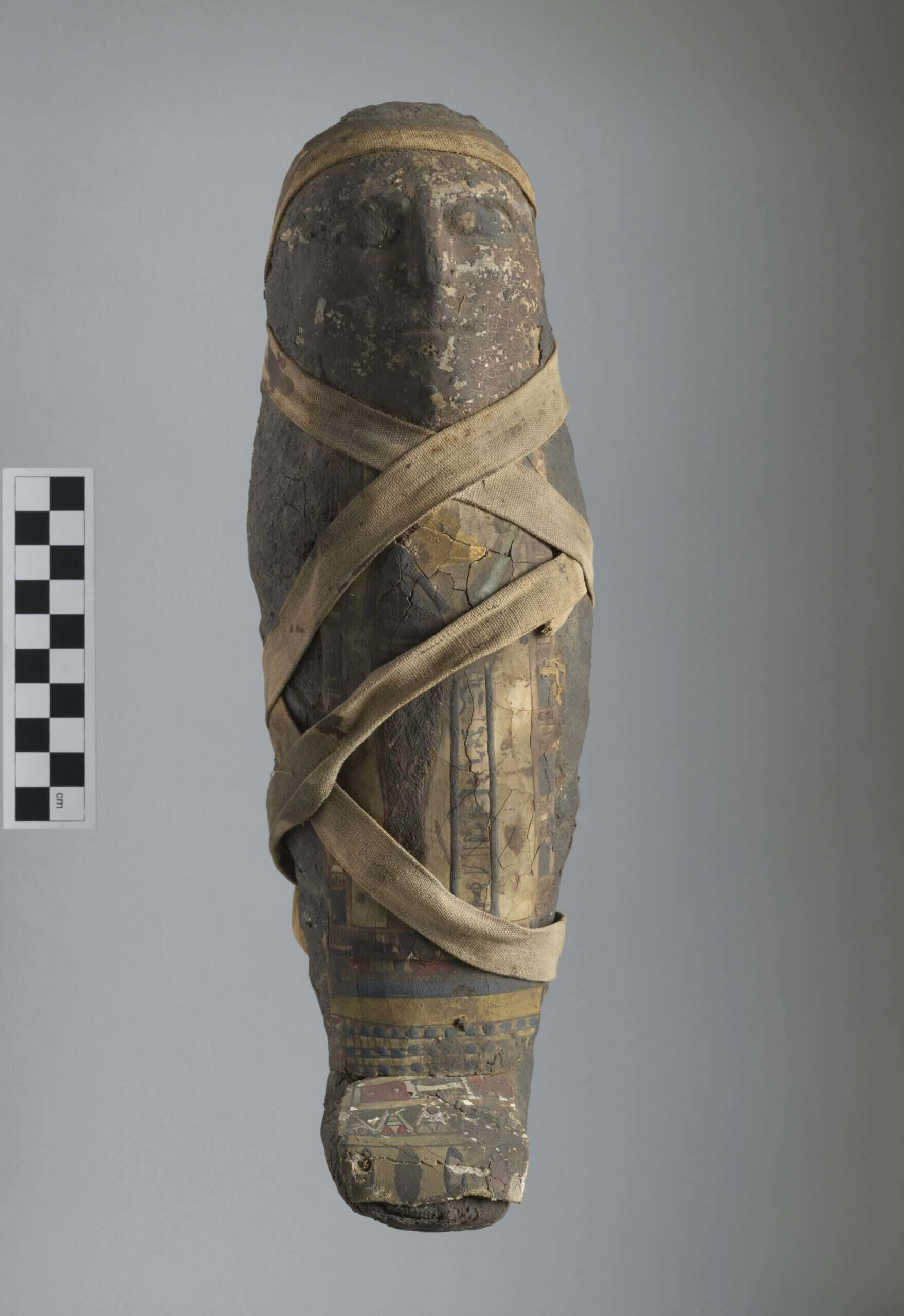
Mummy forgeries have haunted the world of archaeology for centuries. These elaborate fakes fooled museums, tricked collectors, and even became beloved public attractions. Some were made from papier-mâché and old newspaper. Others may have concealed actual crimes. The history of fake mummies is stranger and darker than most people realize. It’s a world of desperate con artists, gullible institutions, and crowds who desperately wanted to believe they were staring at something ancient and sacred. What makes these stories truly unsettling isn’t just the deception itself. It’s how long the lies lasted , and how deeply people fell in love with fakes.
Long before modern forensic science, the market for ancient mummies was booming. By the 18th century, European demand for mummia , a supposed medical cure-all made from ground mummy remains , had created a grotesque underground industry. Forgers dried fresh human corpses in ovens. They ground the results into powder and sold it as genuine ancient material. Nobody could tell the difference. The whole thing is deeply disturbing when you sit with it.
The Mummy Forgeries That Fooled New Jersey for 26 Years
In 1902, a local minister donated what he claimed was an Egyptian princess mummy to the Bergen County Historical Society in Hackensack, New Jersey. He said he’d acquired it in Europe. Nobody questioned him. The mummy was placed on display at the Johnson Public Library, where it sat proudly for over two decades.
Crowds came to see it. The community was proud of it. For 26 years, people stared at this supposed ancient princess and felt a connection to the distant past.
Then curator Frances Westervelt took a closer look.
What she found was humiliating. The “mummy” was nothing but rags stuffed inside a convincing exterior. There were no ancient remains. No Egyptian princess. Just cleverly arranged fabric and a very good bluff. In 1928, The Washington Post reported the story under the brutal headline: “Egyptian Princess Mummy Mere Rag-Stuffed Dummy.”
The fake was immediately removed from display and incinerated. Gone. No second chances, no museum storage. Just ash.
Think about what that means. For 26 years, an entire community celebrated something that didn’t exist. The minister who donated it either knew exactly what he was doing , or he’d been conned himself. We’ll never know which.
Mississippi’s Beloved Mummy Forgeries and the Student Who Exposed Them
For more strange history, see: Jameson Affair: The Horrific Cannibalism Scandal That Shocked Victorian Society
The Mississippi State Capitol story is even stranger. In the 1920s, the Mississippi Department of Archives and History purchased a large collection of Native American artifacts. The collection belonged to the estate of Colonel Brevoort Butler. Tucked among the genuine artifacts was something completely out of place , an Egyptian mummy.
Nobody asked too many questions. The mummy went on display in the State Capitol Building. It became a tourist attraction. A source of local pride. People loved it.
For decades, this thing sat there in plain sight.
Then in 1969, a 22-year-old medical student named Gentry Yeatman changed everything. He needed human remains to study for evidence of ancient disease. The museum gave him permission to examine the mummy. He sent it to the University of Mississippi Medical Center for a full autopsy and radiological examination.
The X-rays were damning. Instead of ancient bones, the scans revealed animal ribs. Square nails. A wooden frame. Investigators dug deeper and found the whole thing was primarily papier-mâché. German newsprint was packed inside. Most damning of all , an 1898 issue of the Milwaukee Journal was stuffed into the “ancient” body.
The Mississippi Department of Archives and History had been displaying a glorified papier-mâché sculpture for decades. The fake had been constructed sometime after 1898 at the very earliest. Yet it had fooled everyone for generations.
Here’s the twist though. The fake mummy didn’t disappear into shame. Instead, it became even more famous. Mississippi embraced it as a piece of folk history. The forgery itself became a beloved artifact.
The Persian Princess: Mummy Forgeries With a Dark Secret
The most disturbing case of all surfaced in October 2000 in Pakistani Baluchistan. A mummy appeared on the black market. It was wrapped in ancient-style bindings and came with a golden breastplate. Sellers claimed it was the mummy of a Persian princess. The asking price was enormous , reportedly around $11 million.
Pakistani authorities seized it before any sale could happen. The case made international headlines. Archaeologists were excited. Could this really be a royal Persian mummy?
Then the investigations began.
CT scans told a horrifying story. The woman inside the wrappings had not died thousands of years ago. Scientists estimated she had died sometime around 1996. She was roughly 21 to 25 years old. Her neck showed signs of trauma. This wasn’t just a forgery. This might have been a murder victim.
Someone had taken a recently deceased woman, mummified her body using artificial methods, and then dressed her up as an ancient princess to sell on the black market for millions. The full investigation was covered by Archaeology magazine and the Archaeological Institute of America, who called it one of the most disturbing archaeological frauds ever uncovered.
No one was ever charged with her murder. Her identity was never confirmed. She was eventually buried in Pakistan, her real story still unknown.
Why People Keep Falling for Fakes
The history of fake mummies reveals something uncomfortable about human nature. We want to believe. Museums wanted prestige. Communities wanted connection to ancient history. Collectors wanted status. That desire made them vulnerable.
Forgers understood this perfectly. They didn’t just create physical objects. They created stories. An Egyptian princess. A mysterious Persian royal. Ancient artifacts from exotic lands. The narrative did half the work.
Modern forensic science has made it much harder to pull off these deceptions. CT scanning, carbon dating, and advanced radiological tools can expose fakes within hours. But for most of history, a convincing story and a skilled hand were enough to fool almost anyone.
What’s truly eerie is how many of these fakes became beloved. Mississippi still celebrates its papier-mâché mummy. The Bergen County community mourned its rag-stuffed princess. People had formed real emotional bonds with objects that were entirely fake.
The long, strange history of mummy forgeries reminds us that the line between genuine history and invented history has always been blurry. Sometimes the forgery becomes the story. And sometimes, as in the case of the Persian Princess, the truth hiding beneath the wrappings is darker than anyone wanted to find. That mystery remains unsolved to this day.
Related Posts
 Museum of Hoaxes: The Website That Exposes History’s Most Shocking Deceptions
 Buytigers.com: The Internet Hoax That Fooled PETA and Exposed the Dark Side of Exotic Animal Trade
 Acinonyx Kurteni: The Fake Fossil That Fooled the World
 Humbug: The Dark and Mysterious History of History’s Greatest Word for Deception