
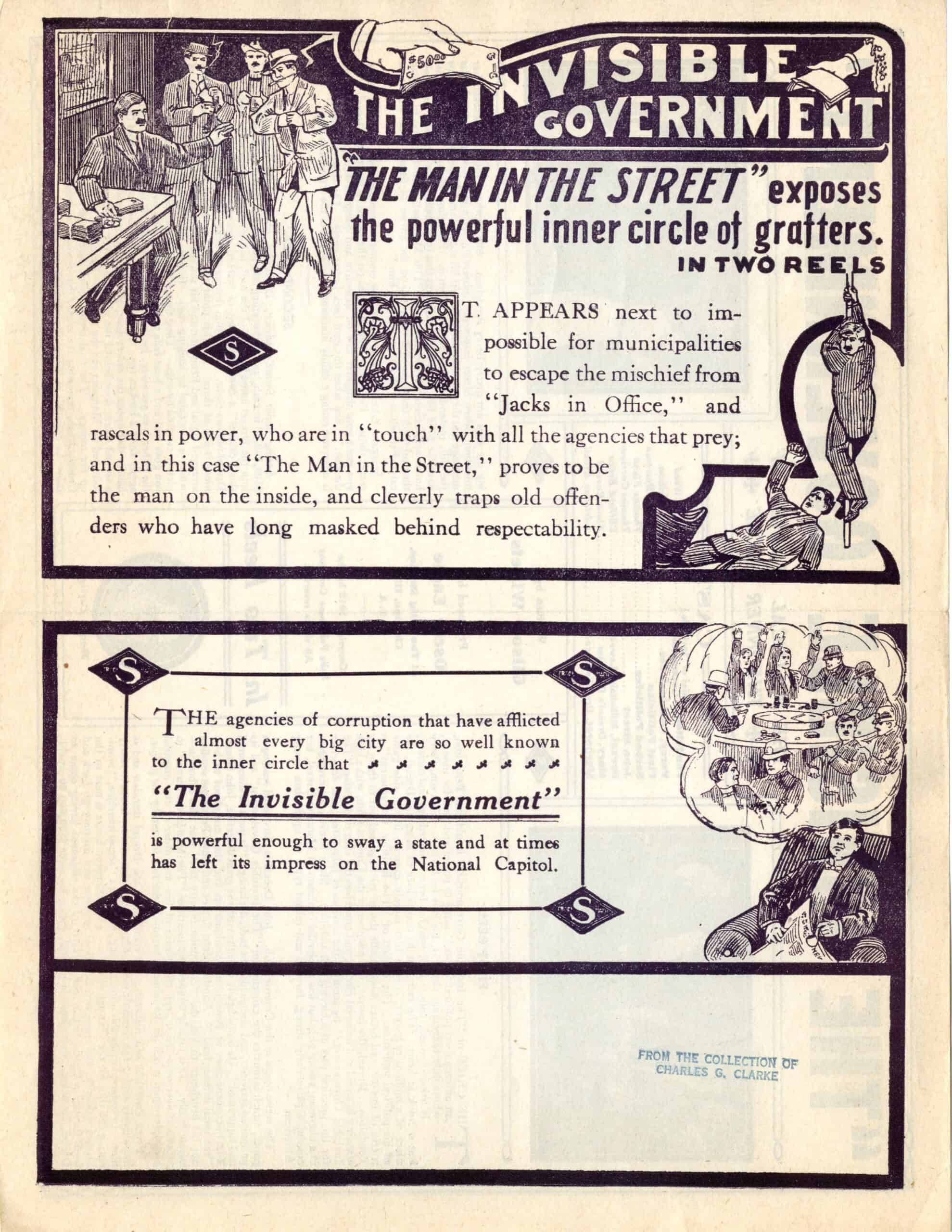
The Shadow Government (conspiracy theory) is one of the most enduring and unsettling ideas in modern history. It suggests that elected leaders are merely puppets. The real power, according to believers, lies with shadowy figures operating far beyond public view. Secret societies. Alien collaborators. Occult brotherhoods. The names change, but the fear stays the same. Someone , or something , is pulling the strings. And they don’t want you to know about it.
This isn’t just fringe internet chatter. These ideas have shaped political movements, inspired bestselling books, and even influenced how governments respond to public distrust. The theory taps into something primal. People sense that power is hidden. They want to name it. And for centuries, they’ve been trying.
The Shadow Government (Conspiracy Theory) and Its Dark Origins
The roots of this belief run surprisingly deep. Long before the internet, writers and thinkers were warning about secret rulers. During the American Revolution, something genuinely strange happened. Local Patriots formed what historians call Committees of Safety , shadow governments designed to wrest control from British royal officials. They operated in secret. They had real power. And they worked outside official structures.
That historical reality gave later theorists a blueprint. If shadow governance happened once, couldn’t it happen again?
By the 20th century, the idea exploded. Authors like Gary Allen, Jim Marrs, and Carroll Quigley wrote about secret networks steering world events. They pointed fingers at organizations like the Council on Foreign Relations, the Trilateral Commission, and the Bilderberg Group. These weren’t invented names. These groups exist. That’s what made the theories so sticky.
The Christic Institute, active from 1980 to 1991, even produced posters screaming “Stop the Shadow Government.” They weren’t cranks whispering in basements. They were a legitimate legal organization filing federal lawsuits. The line between conspiracy theory and documented covert action has always been blurry. And that’s exactly what makes this rabbit hole so terrifying.
Aliens, Illuminati, and the Shadow Government (Conspiracy Theory) Goes Cosmic
This event shares similarities with: Gospel of Jesus’ Wife: The Bizarre Forgery That Fooled Harvard and Hid a Pornographer’s Secret
Things got truly strange with Milton William Cooper. His 1991 book Behold a Pale Horse became a bible for UFO enthusiasts and militia groups alike. Cooper claimed he’d seen classified documents while serving in the Navy. Those documents, he said, proved the U.S. government had made a deal with extraterrestrials.
The year was 1954. President Dwight D. Eisenhower, Cooper alleged, secretly negotiated a treaty with alien beings. In exchange for advanced technology, the government allowed these entities to abduct humans for “research.” To manage this terrifying arrangement, an inner circle of Illuminati was formed. Their job was to keep the aliens’ presence hidden from the public forever.
Cooper went further. He claimed that aliens had manipulated human civilization for millennia. They worked through secret societies, occult rituals, and organized religion. Even the Illuminati themselves, he argued, were unwitting pawns. They thought they were in control. They weren’t.
Cooper later walked back some of these alien claims. But the damage , or the spark, depending on your perspective , was already lit. His ideas fed directly into the mythology of The X-Files, which brought shadow government paranoia into millions of living rooms throughout the 1990s. The show’s “Mythology” story arc depicted a secret cabal collaborating with alien colonizers. Fiction? Maybe. But the writers weren’t working in a vacuum.
Who Actually Pulls the Strings? The Shadow Government (Conspiracy Theory) Suspects
Every version of this theory needs villains. The cast of suspects is remarkably consistent across decades of literature. Central banks appear constantly. So do the Rothschilds, the Vatican, Freemasons, and Jesuits. Intelligence agencies like the CIA get named. So do think tanks and globalist organizations.
Authors like David Icke took things further still. Icke proposed that shape-shifting reptilian beings occupied positions of power worldwide. World leaders, royals, and bankers were all , secretly , not human. It sounds absurd. Yet Icke has sold millions of books. Clearly, something in this narrative resonates.
The more grounded theorists point to documented organizations. The World Bank. The International Monetary Fund. The Bank for International Settlements. These institutions make decisions affecting billions of people. They operate with limited democratic oversight. That’s not a conspiracy , it’s a fact. The leap comes in claiming they’re coordinated by a single hidden hand.
Historical publications from the 1970s show that suspicion of elite financial networks was already mainstream political conversation decades ago. The paranoia didn’t emerge from nowhere. It grew from genuine frustration with unaccountable power.
Why These Theories Never Die
There’s a reason the shadow government idea refuses to fade. It offers something deeply human. It offers an explanation.
When bad things happen , wars, economic crashes, pandemics , the human brain searches for cause. Random chaos is terrifying. A hidden enemy, at least, is something you can fight. Conspiracy theories provide narrative structure to a world that often feels senseless.
The groups accused shift with the times. In the 1950s, communists were the secret rulers. In the 1990s, it was globalist elites. Today, accusations fly at tech billionaires and pharmaceutical companies. The specific villains update. The underlying fear stays identical.
What makes this genuinely strange is how often reality blurs the line. The CIA did run secret mind-control experiments. Governments did hide UFO research programs. Corporate interests do shape legislation behind closed doors. Every confirmed cover-up feeds ten new theories.
The Shadow Government (conspiracy theory) endures because it asks a question that legitimate political science also asks. Who really holds power? And are they accountable to anyone at all? The terrifying possibility isn’t that the theory is entirely wrong. It’s that some version of it might be partially right , and we’d never be allowed to know.
Perhaps the most unsettling truth is this: the line between documented corruption and wild conspiracy has always been razor thin. And someone, somewhere, benefits from keeping it that way.
Related Posts
 Gang Stalking: The Dark Web Communities Behind Modern Paranoia and Violence
 Climate Lockdown: The Strange Birth of a Modern Conspiracy Theory
 Id2020: The Digital Identity Conspiracy That Sparked Global Fear and Death Threats
 Great Reset Conspiracy Theories: When Global Recovery Plans Become Sinister Plots