
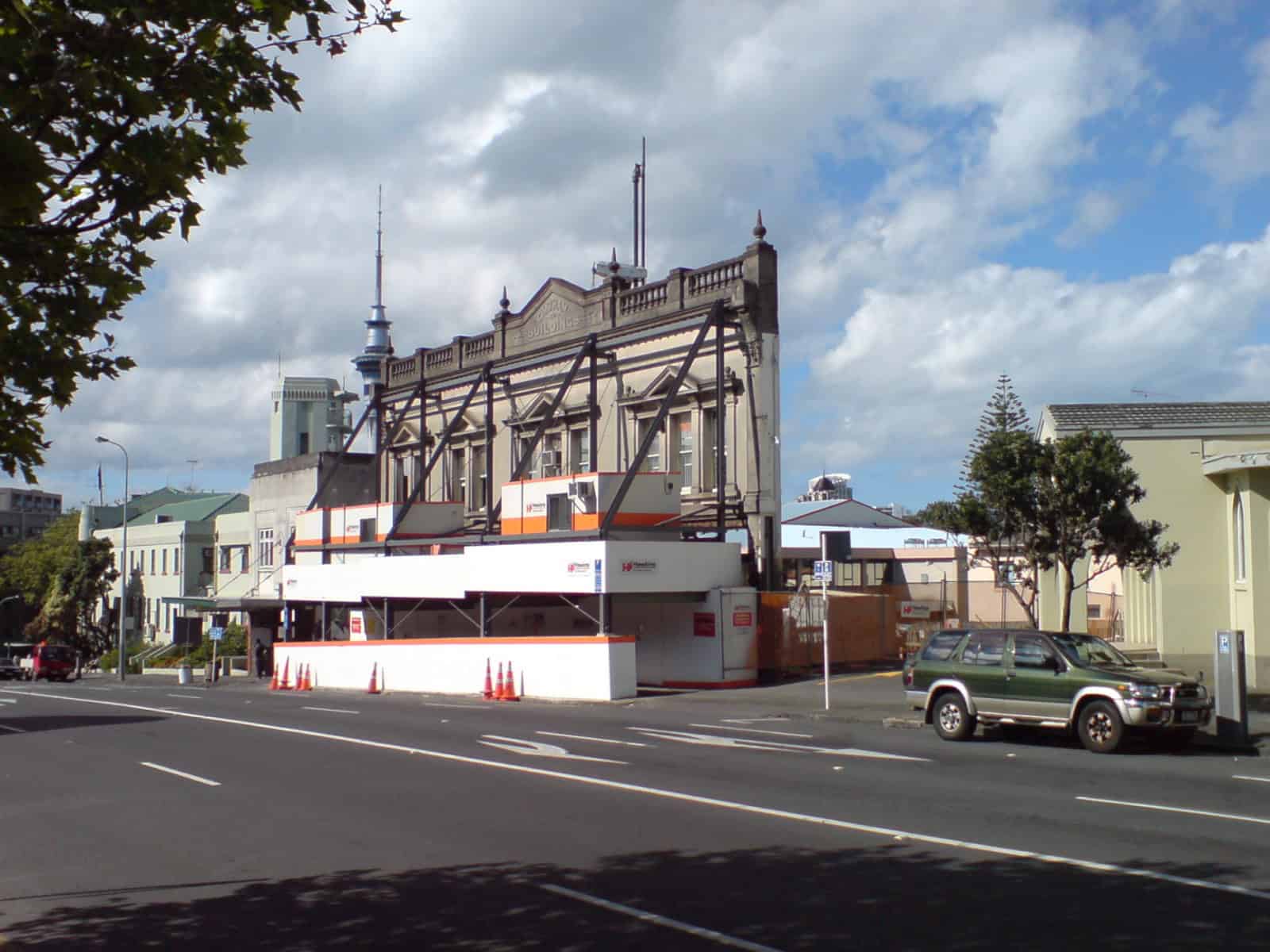
The story of the Potemkin Village is one of history’s most audacious deceptions. Fake towns. Painted facades. Actors dressed as happy peasants. All of it staged for a single powerful woman sailing past on a barge. But here’s what makes this tale truly strange: historians aren’t sure the deception ever happened at all. What we’re left with is a ghost story of sorts , a lie about a lie, echoing through centuries of political manipulation and imperial paranoia.
It was 1787. Russia had just seized Crimea from the Ottoman Empire. A new war was brewing. And Empress Catherine the Great was about to take the most elaborate sightseeing tour in history.
The Potemkin Village and the Empress Who May Have Been Fooled
Grigory Potemkin was no ordinary man. He was a field marshal, a governor, and Catherine’s former lover. Their relationship was intense and complicated. When Catherine decided to tour her newly conquered southern territories, Potemkin was responsible for making them look prosperous.
The region was anything but. Crimea had been devastated by war. The original Muslim Tatar population was viewed with deep suspicion. Russian settlers hadn’t yet transformed the land. The whole area was, by most accounts, a wreck.
So what did Potemkin allegedly do? He built fake villages along the banks of the Dnieper River. His men dressed as cheerful peasants. Fires burned warmly in the night. As Catherine’s barge drifted past, everything looked wonderful. Then, once she was gone, workers allegedly tore the whole thing down and rebuilt it further downstream , ready to fool her again.
It’s a breathtaking scheme. The sheer audacity of it staggers the imagination. You’re essentially running a theatrical production across hundreds of miles of river, with the Empress of Russia as your unwitting audience.
Grigory Potemkin remains one of history’s most fascinating and controversial figures , a man brilliant enough to conquer a region, and reportedly shameless enough to fake its recovery.
The Potemkin Village Myth: Was Any of It Real?
Related article: Deep State: The Hidden Networks That Shape Government Power Throughout History
Here’s where the story gets genuinely unsettling. The man who invented the term “Potemkin Village” was a Saxon diplomat named Georg Adolf Wilhelm von Helbig. He published his account between 1797 and 1799 , a full decade after the events. And he wasn’t even there.
Helbig compiled his story from court gossip in Saint Petersburg. He never visited Crimea. He never saw the villages. He was essentially writing tabloid history based on rumors from people who had political reasons to hate Potemkin.
Simon Sebag-Montefiore, Potemkin’s most comprehensive English-language biographer, calls the elaborate fake village story largely fictional. Russian scholar Aleksandr Panchenko went even further. After studying original correspondence and memoirs from the period, he concluded bluntly: “The myth of ‘Potemkin villages’ is exactly a myth, and not an established fact.”
What likely happened is both simpler and stranger. Potemkin did decorate existing towns and villages. He did stage impressive displays. But he made no real secret of it. Catherine wasn’t some naive tourist , she was one of the shrewdest rulers in European history. The idea that Potemkin could repeatedly fool her with cardboard towns is almost laughable.
The real targets of any deception were probably the foreign ambassadors traveling with her. They were the ones Russia needed to impress before the coming war with the Ottomans. The whole tour was essentially a military propaganda operation dressed up as a pleasure cruise.
So the great deception was itself a deception. A story invented by enemies to destroy a man’s reputation. And it worked so well that we still use his name today.
The Potemkin Village Lives On: Modern Echoes of an Ancient Trick
The concept didn’t die with Catherine’s barge. It spread. It mutated. It infected modern politics like a virus.
Consider North Korea’s Peace Village, sitting inside the Demilitarized Zone. It looks inhabited. It has buildings, lights, and an advertised population of two hundred families. The Library of Congress documents Korea’s complex history of political theater and propaganda. Observers say the village appears completely empty. Flags are raised and lowered by automatic timers. Nobody seems to actually live there. It’s a ghost town performing the role of a thriving community.
In America’s Old West, merchants built “false front” buildings. The wooden facades towered high above the actual structure behind them. They projected wealth and permanence. In reality, the buildings were cheap, temporary, and often abandoned within years. The whole frontier town was sometimes a performance.
Soviet Russia used the technique constantly. Factories that didn’t produce. Statistics that didn’t reflect reality. Model collective farms that existed purely for foreign visitors to photograph.
The pattern repeats across cultures and centuries. Build the facade. Control what powerful eyes can see. Hope nobody looks too closely at what’s behind it.
The Ghost of Deception That Never Goes Away
What makes the whole saga so haunting is its layers of unreality. There’s the alleged fake village. Then there’s the fake story about the fake village. Then there’s the real deception , which was the propaganda tour itself. Each layer peels back to reveal another performance beneath it.
Potemkin may have been framed. His enemies at court wanted him destroyed. Spreading rumors about elaborate fakery was a perfect weapon. It made him look both dishonest and foolish. The story stuck. His name became permanently attached to fraud.
But Potemkin’s legacy also reveals something deeply human. Every government, every ruler, every institution has its Potemkin moments. The desperate urge to show a better face to the world. To paper over the cracks before important visitors arrive. To paint the building front while the interior crumbles.
The Potemkin Village isn’t just a historical curiosity. It’s a warning. Beneath every gleaming facade, something is always hidden. The real question is whether the person sailing past on the barge ever truly wants to know what lies beyond the painted wood and cheerful actors.
History suggests they usually don’t. And that, perhaps, is the strangest and most unsettling truth of all.
Related Posts
 Russian Sleep Experiment: The Terrifying Creepypasta That Fooled the World
 Museum of Hoaxes: The Website That Exposes History’s Most Shocking Deceptions
 Humbug: The Dark and Mysterious History of History’s Greatest Word for Deception
 The Boiling Frog: The Creepy 19th-Century Experiment That Became History’s Most Disturbing Warning