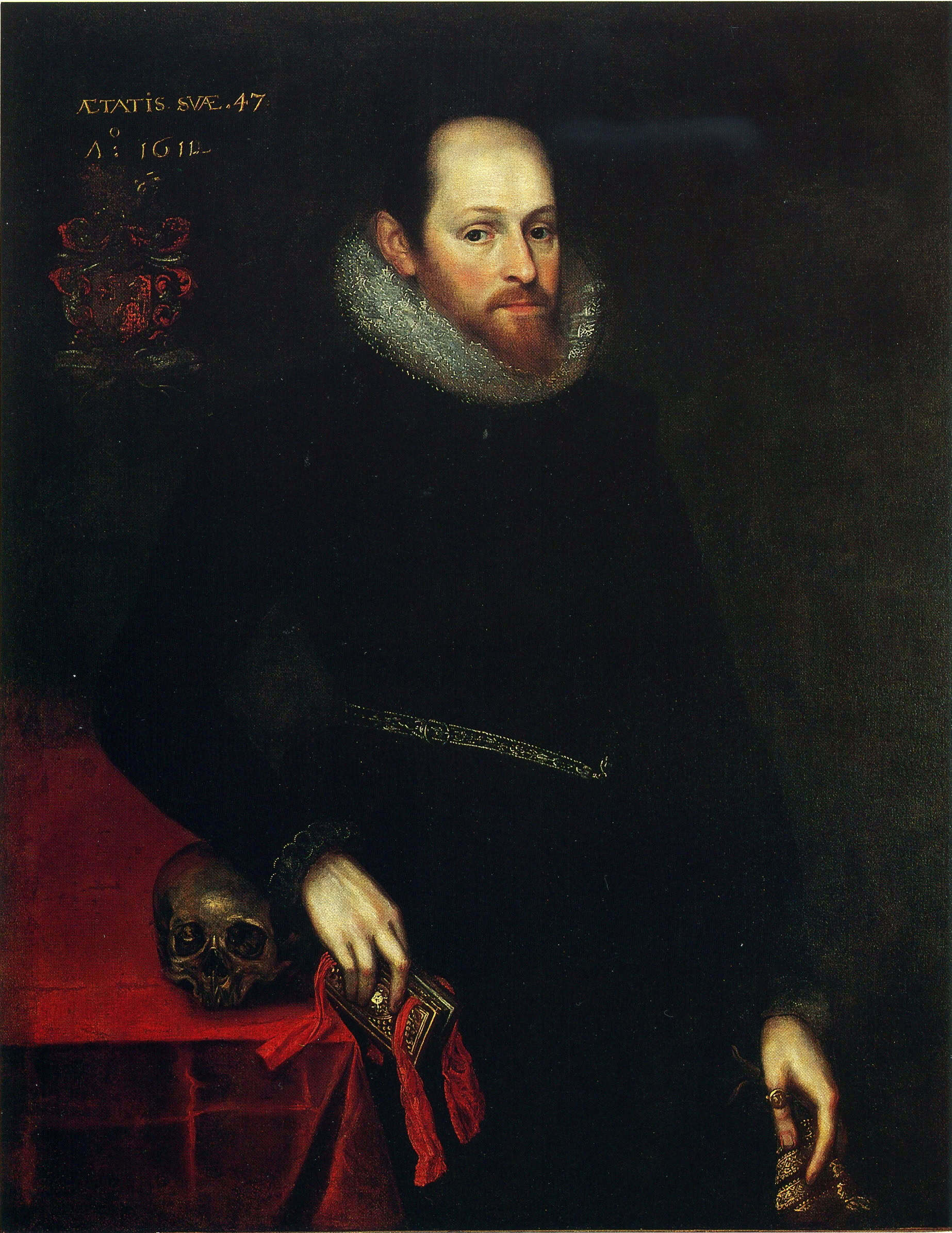
The Oxfordian Theory of Shakespeare Authorship is one of history’s most stubborn, tantalizing literary mysteries. Who really wrote Hamlet? Who crafted Macbeth’s witches and Lear’s madness? For centuries, most people accepted the obvious answer: William Shakespeare of Stratford-upon-Avon. But a rival theory refuses to die. It points instead to Edward de Vere, the 17th Earl of Oxford , a brilliant, troubled nobleman who some believe hid his greatest work behind a commoner’s name. The conspiracy runs deep. It involves forged records, secret identities, and a cover-up that allegedly lasted four centuries. Whether you believe it or not, the story is genuinely strange. And the questions it raises about identity, power, and authorship are ones that scholars still can’t fully silence.
The Oxfordian Theory of Shakespeare Authorship and Its Dark Origins
The idea that Shakespeare didn’t write Shakespeare didn’t start with Oxford. It started with suspicion.
By the mid-1800s, some readers felt uneasy. The plays showed deep knowledge of law, medicine, court life, and foreign travel. Yet William Shakespeare was the son of a glove-maker. He left no letters. No manuscripts. No books. His will didn’t mention a single play.
In 1857, American writer Delia Bacon published the first book challenging Shakespeare’s authorship. She pointed to Francis Bacon and a secret committee of aristocrats. Edward de Vere got a brief mention , just a name in a list of “high-born wits.” Nobody paid much attention to him yet.
That changed in 1920. A schoolteacher named J. Thomas Looney published Shakespeare Identified in Edward de Vere, 17th Earl of Oxford. Looney argued that the plays weren’t just brilliant , they were autobiographical. He matched scenes from Shakespeare’s works to events in Oxford’s life with eerie precision. Oxford had traveled to Italy. So had many Shakespeare characters. Oxford had a complicated relationship with Queen Elizabeth’s court. So did Hamlet with his king.
The theory gained serious traction almost immediately. By the mid-20th century, Oxford had become the most popular alternative Shakespeare candidate. Sigmund Freud believed it. So did Supreme Court justices. The idea spread like a ghost story , impossible to fully disprove, impossible to fully confirm.
The Oxfordian Theory of Shakespeare Authorship’s Most Disturbing Problem
This event shares similarities with: Etruscan Terracotta Warriors: The Metropolitan Museum’s Greatest Art Forgery Scandal
Here’s where things get genuinely creepy.
Edward de Vere died in 1604. That’s not disputed. But Shakespeare’s plays kept appearing after that date. Roughly twelve plays , including The Tempest, Macbeth, and King Lear , are generally dated to after Oxford’s death.
So how did a dead man keep writing?
Oxfordians have an answer. They claim Oxford wrote the later plays before he died. He stockpiled them. Other playwrights then revised and completed some works after his death. Oxfordians also point out something strange: the flood of “new” or “corrected” Shakespeare plays published annually stopped almost exactly in 1604. The year Oxford died.
Coincidence? Maybe. But Oxfordians go further. They argue the dedication in Shakespeare’s Sonnets, published in 1609, hints that the author was already dead. The language is oddly funerary. Mournful. Like an epitaph rather than a dedication.
The conspiracy they propose is breathtaking in scope. Oxford supposedly wrote the plays but couldn’t publish them under his name. Aristocrats didn’t write for public theaters. It was considered vulgar. So a deal was struck. William Shakespeare , an actor with a conveniently similar name , became the public face. He was either a willing front man or simply an actor misidentified as the playwright by early biographers in the 1700s.
The historical record, Oxfordians claim, was deliberately falsified. Documents were altered. Testimonies were manufactured. A vast conspiracy protected Oxford’s identity for over 400 years.
Mainstream scholars find this unconvincing. The documentary evidence , title pages, legal records, testimony from contemporaries , points solidly to Shakespeare of Stratford. Historical records, when properly examined, rarely support the kind of total falsification Oxfordians require.
Oxford’s Strange Life and the Oxfordian Theory of Shakespeare Authorship
Even skeptics admit Oxford’s life reads like a Shakespeare play.
He was brilliant and erratic. He killed a man in his youth , a servant stabbed in a dispute, ruled self-defense. He spent lavishly and went bankrupt. He fell in and out of royal favor. He had a disastrous marriage, accusations of adultery, and a long, bitter estrangement from his family.
He also wrote poetry. Scholars agree Oxford was a talented Elizabethan poet. His surviving verses show genuine skill. Oxfordians point to parallels between his poems and Shakespeare’s language , similar idioms, similar imagery, similar obsessions with time and decay.
Oxford’s personal Bible reportedly survives. Oxfordians claim it contains marked passages that correspond directly to Biblical references in Shakespeare’s plays. The markings line up. Dozens of them. Mainstream scholars argue this proves nothing , educated Elizabethans shared common Biblical references. But the coincidences pile up in ways that feel unsettling.
Oxford also traveled extensively in Italy. He visited Venice, Verona, and other cities that appear in Shakespeare’s plays with remarkable geographic accuracy. Shakespeare of Stratford, as far as anyone knows, never left England. Oxfordians find this gap suspicious. Critics say playwrights used travel guides and other sources , no passport required.
Why This Mystery Won’t Die
The Oxfordian case has real weaknesses. Oxford died too early. No document links him to Shakespeare’s works. The conspiracy required would be enormous , hundreds of people keeping a secret for centuries.
Mainstream historians and literary scholars overwhelmingly reject Oxford’s candidacy. They call Oxfordian methods an “autobiographical fallacy” , the mistake of assuming a writer’s work is a literal diary of their life. By that logic, every playwright who wrote a murder mystery was a killer.
Yet the theory persists. It attracts serious minds. It raises real questions about class, identity, and who gets credit for genius. The image of a dead earl’s words spoken on stage while another man took the bows , that’s a ghost story in itself.
Was Shakespeare a front man for a brilliant, hidden nobleman? Was he simply an actor whose name got confused with a playwright? Or was he exactly who history says he was , a glover’s son from Stratford who somehow produced the greatest literature in the English language?
The Oxfordian Theory of Shakespeare Authorship can’t fully answer those questions. Neither can its critics. And that unresolved tension , that persistent, maddening uncertainty , is exactly why this four-century-old mystery still haunts us.