An In-flight Breakup happens when an aircraft literally comes apart in the sky. No warning. No time. Just a sudden, violent end at cruising altitude. On the night of July 17, 1996, it happened to a Boeing 747 over the dark waters off Long Island. Two hundred thirty people died in seconds.
The story of TWA Flight 800 is more than a crash report. It’s a tale of fireballs in the sky, witnesses who swore they saw a streak of light, and a mystery that fueled conspiracy theories for decades. Even now, people argue about what really happened that night.
Flight 800 left New York’s JFK Airport bound for Paris. It was a warm summer evening. Families were heading to Europe. A group of high school students from Montoursville, Pennsylvania, sat aboard, ready for a French club trip. Twelve minutes after takeoff, the plane was gone. What followed was one of the strangest investigations in aviation history.
When an In-flight Breakup Turns the Sky Into Fire
At 8:31 p.m., Flight 800 climbed through 13,700 feet. The crew had just received a routine clearance to a higher altitude. Then the cockpit voice recorder captured a sudden, loud noise. Then nothing.
Witnesses on the ground and on boats saw something horrifying. A burning object streaked across the sky. Then a huge fireball erupted over the ocean. Hundreds of people along the Long Island shore watched the glow fall slowly into the sea.
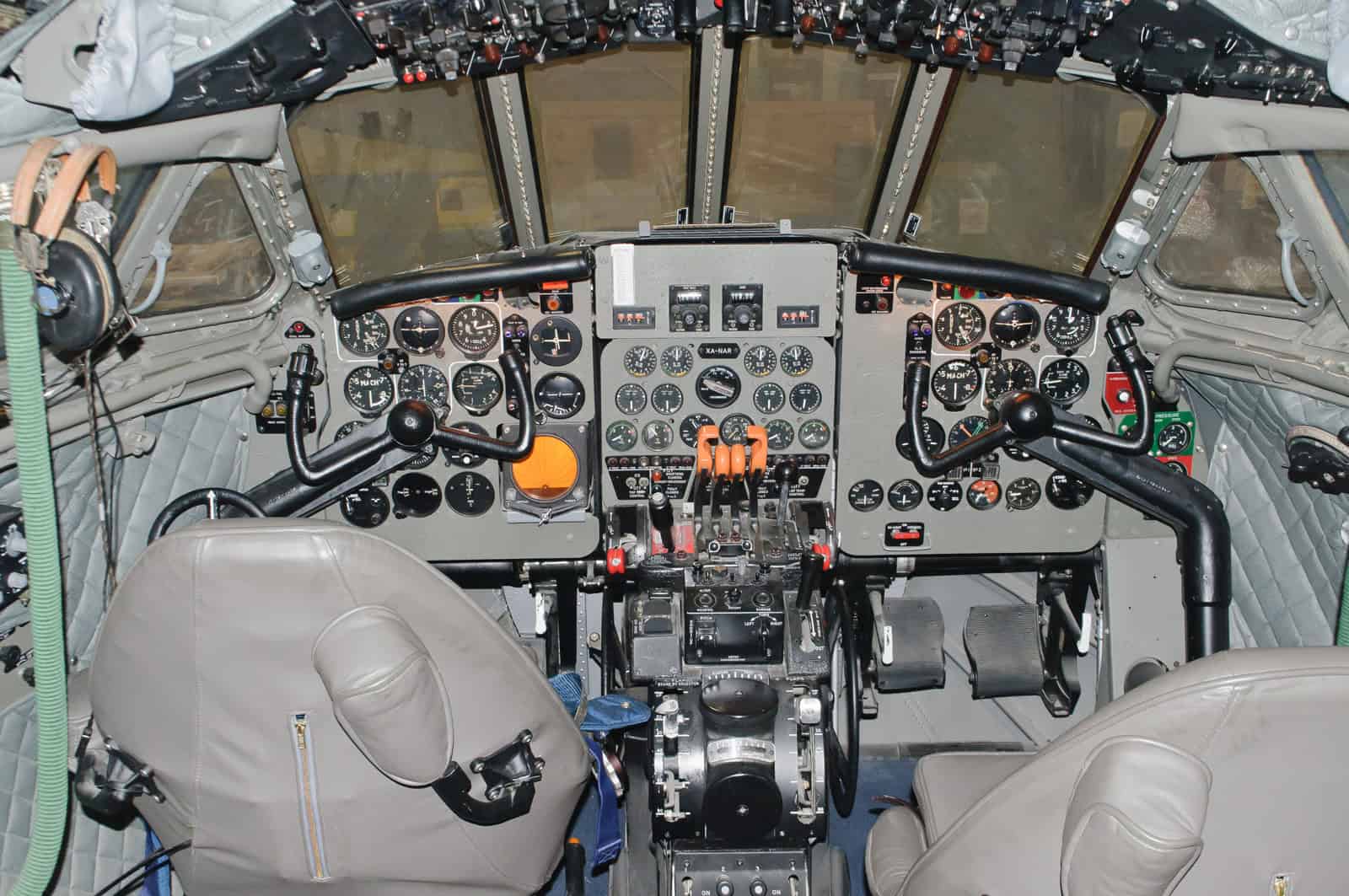
Here’s the eerie part. The front of the plane broke away first. The nose section tore off and fell separately. The rest of the aircraft, still full of fuel, kept climbing for a moment. It was a burning, headless wreck, still flying. Investigators later estimated it gained another 3,000 feet before it fell.
Think about that. A giant jet, missing its cockpit, climbing through the dark while engulfed in flames. Witnesses described that rising fire as a “missile” or a “flare.” Their stories would shape everything that came next.
Radar showed the plane vanishing from the screen. It broke into multiple targets. Air traffic controllers watched the blip split apart like a shattered mirror. Within moments, the water below was lit by burning jet fuel. Rescuers rushed out. They found almost no survivors.
The Witnesses Who Saw a Streak of Light
This event shares similarities with: Cleveland sports curse
More than 250 people told investigators they saw something odd before the explosion. Many described a bright streak rising from the surface toward the plane. Some said it zigzagged. A few compared it to fireworks or a flare gun.
One witness was a pilot flying nearby. He reported seeing an explosion and a fireball in the sky. Others, watching from the beach and from boats, gave similar accounts. Their words fed one explosive theory. Had someone shot the plane down?
The idea spread fast. The U.S. Navy had ships training offshore that night. Some people whispered that a stray missile hit the jet. Others pointed to terrorism. It was just months before the Atlanta Olympics, and fear was in the air.
Investigators took the claims seriously. The FBI ran a massive criminal probe. They tested the wreckage for explosive residue. They interviewed hundreds of witnesses. They looked for any sign of a bomb or missile.
They found none. Still, doubt lingered. Some witnesses never changed their story. They insisted they’d seen something rise from the water. The official explanation, they felt, didn’t match what their eyes told them.
That gap between memory and evidence is the heart of the mystery. People trust what they see. But the night sky can fool the mind in strange ways.
Rebuilding a Doomed Plane to Study the In-flight Breakup
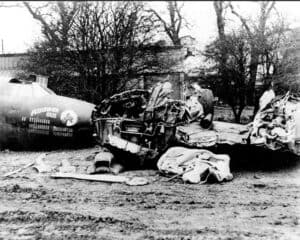
The wreckage came up from the ocean floor piece by piece. Divers and ships recovered most of the aircraft over many months. Then investigators did something remarkable. They hauled the pieces to a hangar on Long Island and laid them out on a giant wooden frame.
Slowly, they rebuilt the 747.
It was a haunting sight. A skeleton of a jumbo jet, stretched across an empty hangar floor. Families of the victims sometimes walked through it. Investigators crawled over every twisted panel, hunting for clues. They searched for the point where the In-flight Breakup began.
Tiny details told the story. Soot patterns showed where the fire spread. Bent metal showed which direction forces tore the plane apart. The pieces formed a kind of crime scene map. It pointed to one place: the center fuel tank, just below the passenger cabin.
That tank was nearly empty. But empty tanks aren’t really empty. They hold fuel vapor. On a hot day, with air conditioning units running right beneath it, that vapor can heat up. It becomes dangerously flammable. All it needs is a spark.
The investigators wanted to know where the spark came from. They found damaged wiring in the fuel gauge system. Old insulation had worn down on aging aircraft. A short circuit could have sent a small surge of electricity into the tank. That tiny spark may have been enough.
Why This In-flight Breakup Still Haunts Investigators
In 2000, the National Transportation Safety Board released its final report. The finding was clear. A fuel vapor explosion in the center wing tank destroyed Flight 800. No bomb. No missile. A spark in the wrong place at the wrong time.
You can read more about how such investigations work on the National Transportation Safety Board’s official site, which keeps records of major U.S. accident probes.
But did the answer satisfy everyone? Not even close.
Some retired investigators and witnesses refused to accept it. A documentary in 2013 claimed the evidence had been mishandled. Critics pointed to the streak-of-light accounts. They argued the official story ignored too much testimony. The government stood by its findings.
The truth might be simpler and more unsettling. A routine flight. A hot day. An aging plane with worn wires. Nothing sinister, just a chain of small failures. That’s almost scarier. It means no villain was needed.
The disaster did change aviation. Regulators ordered fuel tank safety upgrades. New systems now pump inert nitrogen gas into tanks, pushing out the oxygen that fuels explosions. Wiring inspections became stricter. Thousands of future flights are safer because of what happened that night.
Still, the images stay with people. The glowing arc in the sky. The burning wreck climbing in the dark. The quiet hangar full of rebuilt wreckage.
Every In-flight Breakup leaves questions behind. Some get answers in time. Others hang in the air like smoke over the water. Flight 800 sits somewhere in between: explained by science, yet never fully laid to rest in the minds of those who watched it fall.
Next time you look up at a jet’s blinking lights, remember the night the sky caught fire off Long Island.