
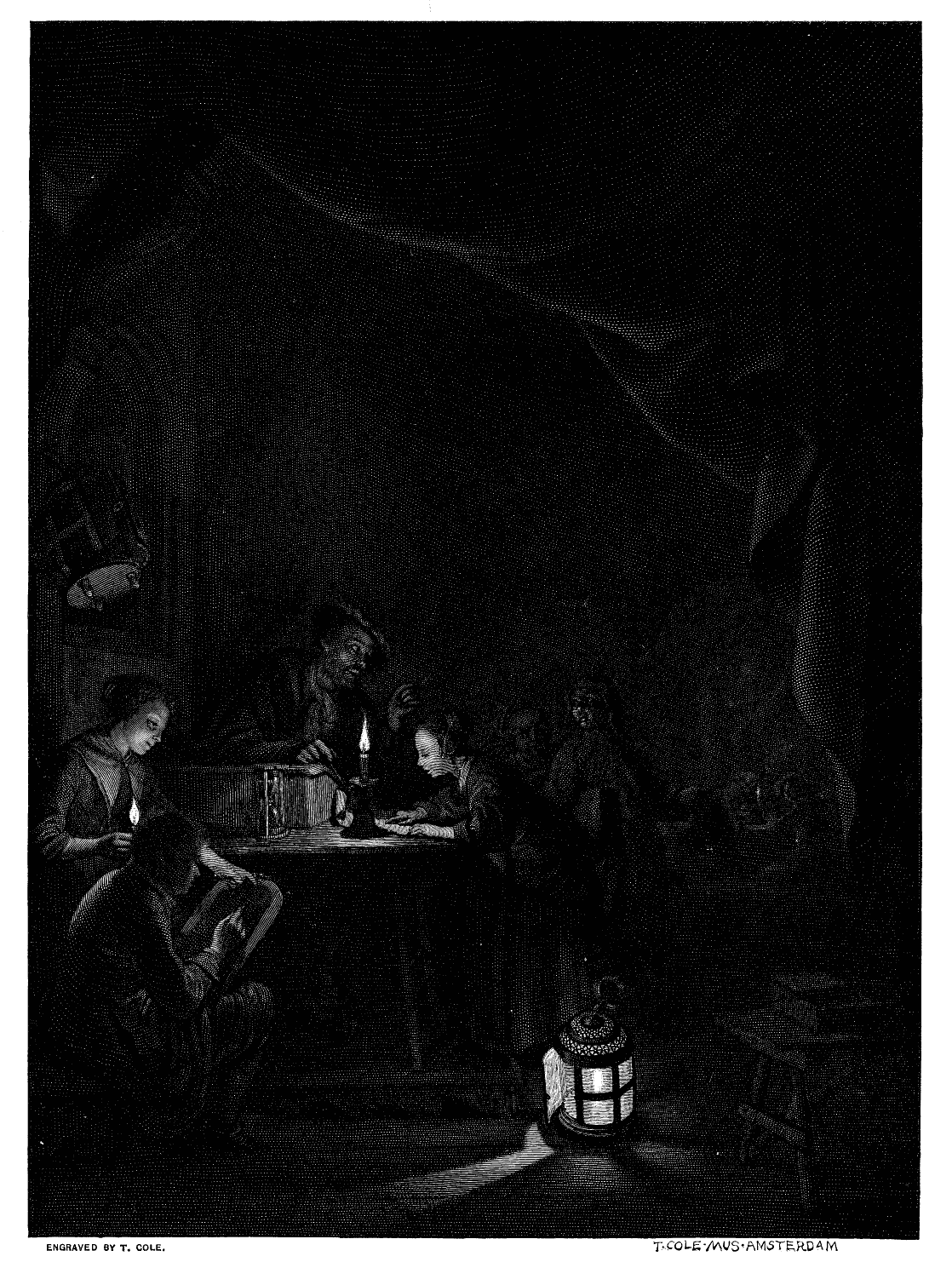
The School of Night sounds like something invented for a gothic novel. But this shadowy circle of poets, scientists, and freethinkers was very real , and very dangerous. In Elizabethan England, the wrong idea could get you killed. This group allegedly gathered around Sir Walter Raleigh to ask questions that no loyal English subject was supposed to ask. Questions about God. About the Bible. About the nature of the universe itself.
That made them heretics in the eyes of the Crown. And heretics didn’t last long.
The charges against them were explosive. Atheism in the 1590s wasn’t just a philosophical position. It was practically treason. The English monarch was the head of the Church of England. To deny God was to deny the Queen. The punishment? Death.
So who exactly were these dangerous men? And what were they really doing behind closed doors?
The School of Night and Its Cast of Dangerous Minds
The group allegedly centered on Sir Walter Raleigh , explorer, poet, and royal favorite. Around him gathered some of the most brilliant and controversial minds of the age. Christopher Marlowe, the playwright who wrote Doctor Faustus, was among the accused. So was mathematician Thomas Harriot, one of the greatest scientists of his era. Poet George Chapman and writer Matthew Roydon were also named.
These weren’t fringe lunatics. They were celebrated figures. That made them even more threatening.
The Jesuit priest Robert Persons first publicly named Raleigh’s circle as the “School of Atheism” in 1592. He wasn’t being complimentary. Persons was a fierce enemy of Protestant England. Labeling Raleigh’s group as atheists was a weapon. It was meant to destroy reputations and invite royal wrath.
The accusation had teeth. A government spy named Richard Baines filed a deposition claiming Marlowe had “read the Atheist lecture to Sr. Walter Raleigh and others.” But Baines was a paid informer. His testimony was hearsay , he claimed to have heard it from someone else. It was the Elizabethan equivalent of an anonymous tip. Unsworn. Unverified. But deeply damaging.
Marlowe himself died violently in 1593, stabbed in a tavern in Deptford under circumstances that have never been fully explained. Conspiracy theories swirl around his death to this day. Was he silenced? Did he know too much?
The School of Night’s Hidden Name and Shakespeare’s Cryptic Clue
This event shares similarities with: John of Sandwich (ship): The Pirate Vessel That Met a Gruesome End Off Alderney
Here’s where things get genuinely strange. The name “School of Night” doesn’t come from any Elizabethan document. It comes from Shakespeare.
In his comedy Love’s Labour’s Lost, the King of Navarre delivers a curious line. He says: “Black is the badge of hell / The hue of dungeons and the school of night.” Scholar Arthur Acheson seized on this in 1903. He argued Shakespeare was mocking Raleigh’s secret intellectual circle. The theory was that “school of night” was a coded insult aimed directly at the group.
It’s a thrilling idea. Shakespeare secretly attacking a shadowy cabal of heretics in a romantic comedy? That’s the stuff of conspiracy dreams.
But not everyone buys it. Scholar John Kerrigan points out the line is straightforward. The King is simply mocking a woman’s dark hair. Nothing more. Some manuscript versions of the play read “suit of night” or “scowl of night” instead. The word “school” might not even be what Shakespeare wrote.
Still, the name stuck. And in 1936, historian Frances Yates found an unpublished essay by the Earl of Northumberland , another Raleigh associate , that seemed to connect the group’s ideas to themes in Shakespeare’s play. The academic world buzzed with excitement. Then skeptics pushed back. The debate has never fully died.
Atheism, Treason, and the Dangers of Thinking Too Freely
What did these men actually believe? That’s the real mystery. The surviving evidence is fragmentary. Most of it comes from enemies and paid informers. That’s like trying to understand a rock band from only reading their worst reviews.
What we do know is this. They studied science. They studied philosophy. They questioned religious orthodoxy. Thomas Harriot corresponded with astronomers across Europe. Historical records preserved at Archive.org offer glimpses into the intellectual world these men inhabited , a world crackling with new ideas about astronomy, mathematics, and the nature of reality.
These were ideas that threatened the established order. The Earth might not be the center of the universe. The Bible might contain contradictions. Moses might not have written the first books of scripture. In 1590s England, thinking these thoughts out loud was suicidal.
Marlowe’s alleged statements, as reported by Baines, were jaw-dropping. He reportedly claimed that Christ was a bastard. That the disciples were foolish. That the first chapter of Genesis was a lie. Whether Marlowe actually said any of this, we can’t know. Baines had every reason to exaggerate.
But the accusations paint a picture of men who pushed every boundary. Men who gathered in private to say the unsayable. That’s genuinely chilling , not because they were evil, but because they were curious. And curiosity, in that world, could get you killed.
A Legend That Refuses to Die
By the early 1990s, most mainstream academics had quietly shelved the School of Night theory. The evidence was too thin. The connections too speculative. The Shakespeare link too shaky.
But the story refused to stay buried. Writers and artists couldn’t let it go. Peter Whelan wrote a play about it for the Royal Shakespeare Company in 1992. Anthony Burgess wrote a novel. So did Alan Wall, Louis Bayard, and Deborah Harkness. Cold War thrillers, historical mysteries, and fantasy novels all found inspiration in this shadowy Elizabethan circle.
A modern theater group even took the name. Inspired by the original group, they gathered actors and improvisers under theatrical maverick Ken Campbell. Their wild idea? That the collective genius of Raleigh’s circle , not Shakespeare alone , wrote the plays we now call Shakespeare’s.
That theory is almost certainly wrong. But it shows the power this story holds. There’s something irresistible about a secret society of brilliant outcasts. Men who dared to think forbidden thoughts in an age when thinking could kill you.
Were they really a coordinated secret society? Probably not. Were they dangerous freethinkers who attracted the suspicion of a paranoid state? Almost certainly yes. The full truth, like so much of Elizabethan England, remains hidden in shadow , which is exactly where a group called the School of Night belongs.
Related Posts
 Magdalena Solís: The High Priestess of Blood and Mexico’s Most Terrifying Cult Leader
 Freeman on the Land Movement: The Strange Cult That Believes Laws Don’t Apply to Them
 The Cottingley Fairies: How Two Girls Fooled the World with Cardboard Cutouts
 Princes in the Tower: The Chilling Mystery That Has Haunted England for 500 Years